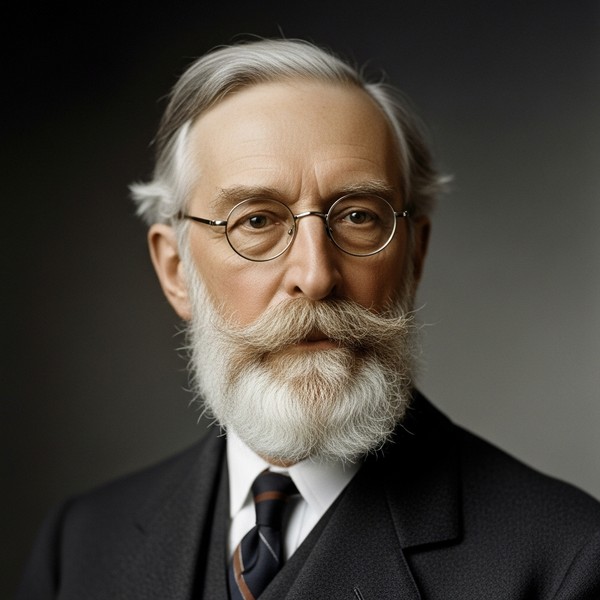
Scholars who study human societies and cultures
The origins of anthropology can be traced back to the Age of Enlightenment in the 18th century, when European thinkers began to systematically study human societies beyond their own. Early anthropologists, such as Johann Gottfried Herder and Edward Burnett Tylor, emphasized the importance of cultural relativism and the idea that all cultures have intrinsic value. The discipline evolved through the 19th and 20th centuries, with figures like Franz Boas advocating for rigorous fieldwork and participant observation as essential methods for understanding cultures on their own terms. The development of subfields such as cultural anthropology, physical anthropology, archaeology, and linguistic anthropology further enriched the discipline, allowing for a more comprehensive exploration of humanity's past and present.
In the contemporary era, anthropology has expanded its focus to include critical issues such as globalization, migration, identity, and social justice. Anthropologists employ a variety of theoretical frameworks and methodologies to analyze the complexities of human behavior and cultural expression. The discipline has also embraced interdisciplinary approaches, collaborating with fields such as sociology, history, biology, and environmental science to address multifaceted questions about humanity. As anthropologists continue to explore the diverse ways in which people navigate their worlds, they contribute to a deeper understanding of what it means to be human in an ever-changing global landscape.
Anthropology's commitment to understanding human diversity and promoting cultural sensitivity remains as vital today as it was at its inception. By shedding light on the myriad ways in which humans adapt to their environments, create meaning, and build communities, anthropologists play a crucial role in fostering empathy and cooperation among different cultures. Their work not only enriches our knowledge of the human experience but also informs policies and practices that support sustainable development, human rights, and social equity worldwide.


Ruth Benedict
Ruth Benedict

Margaret Mead
Margaret Mead
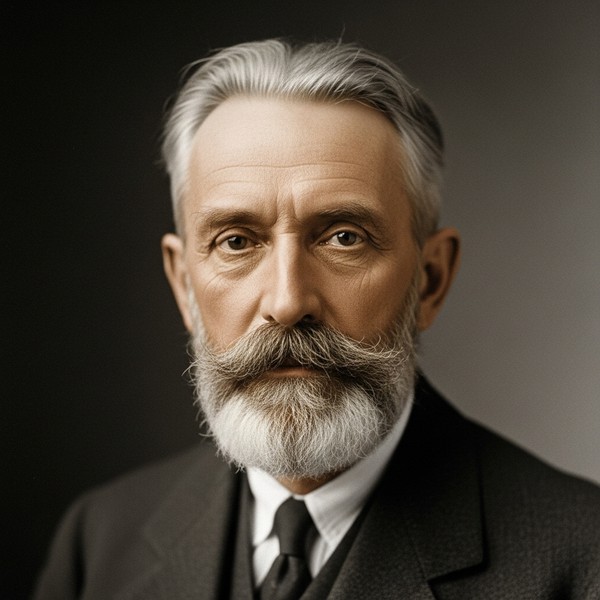
Bronisław Malinowski
Bronisław Malinowski

Edward Sapir
Edward Sapir

Pierre Bourdieu
Pierre Bourdieu

Zora Neale Hurston
Zora Neale Hurston
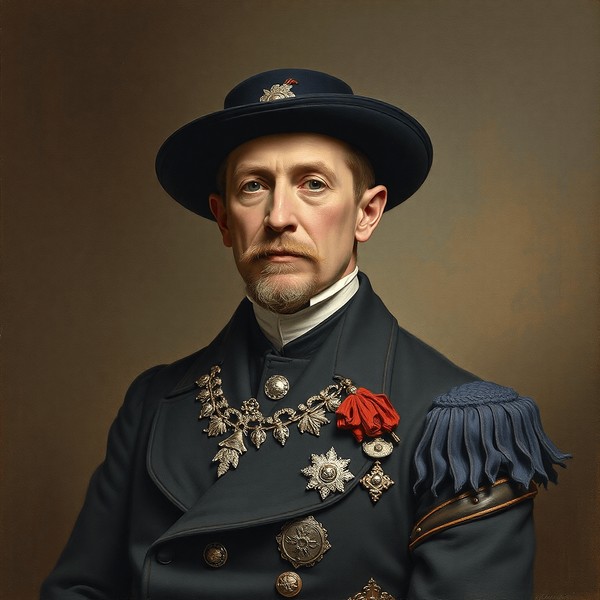
Edward Evan Evans-Pritchard
Edward Evan Evans-Pritchard

Johann Gottfried von Herder
Johann Gottfried von Herder
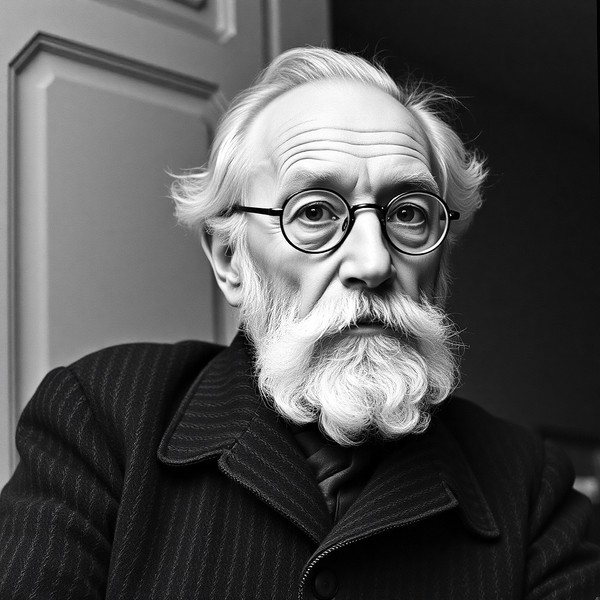
Claude Levi-Strauss
Claude Levi-Strauss

Mary Douglas
Mary Douglas