Rational thinkers who challenged religious dogma
The tradition of atheism, or non-belief in deities, is as old as belief itself. In ancient India, the Cārvāka school of materialism, which held that perception is the only source of knowledge, represents one of the earliest organized atheistic philosophies. In classical Greece, philosophers like Democritus proposed an atomistic universe, where all phenomena could be explained by natural laws without the need for divine intervention. These early seeds of doubt and rational inquiry were often suppressed but never extinguished.
The Enlightenment in 17th and 18th century Europe was a crucial turning point. Thinkers like Baron d'Holbach and Denis Diderot openly challenged the foundations of theism, advocating for a worldview based on materialism and reason. The scientific revolution, with its emphasis on empirical evidence and testable hypotheses, provided a powerful framework for understanding the world without recourse to the supernatural. This period saw the emergence of atheism as a coherent and intellectually defensible position.
In the 19th and 20th centuries, figures like Friedrich Nietzsche, Karl Marx, and Bertrand Russell further developed atheistic thought, exploring its implications for morality, politics, and society. The rise of secularism and the increasing acceptance of scientific explanations for natural phenomena have contributed to the growth of atheism worldwide. Today, atheism is a diverse and multifaceted worldview, encompassing a wide range of philosophical positions and ethical frameworks, united by a common commitment to reason and a naturalistic understanding of the universe.
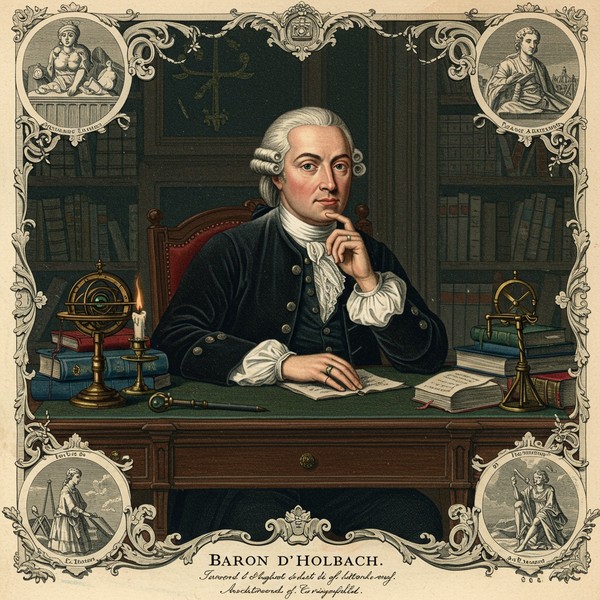
Baron d'Holbach
Baron d'Holbach
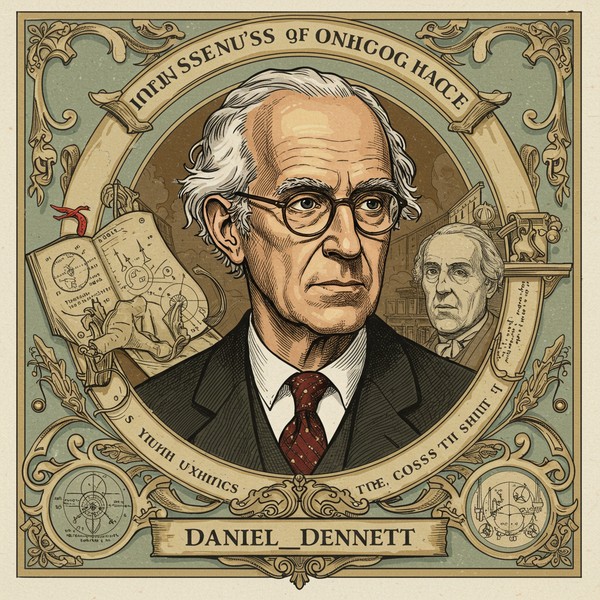
Daniel Dennett
Daniel Dennett
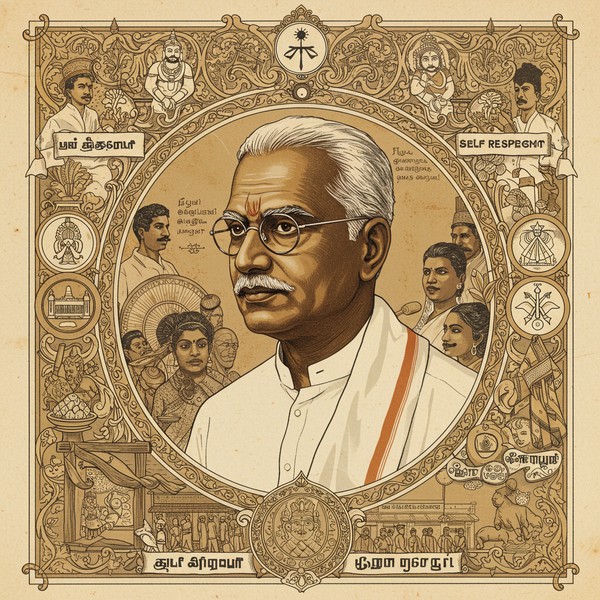
Periyar E.V. Ramasamy
Periyar E.V. Ramasamy
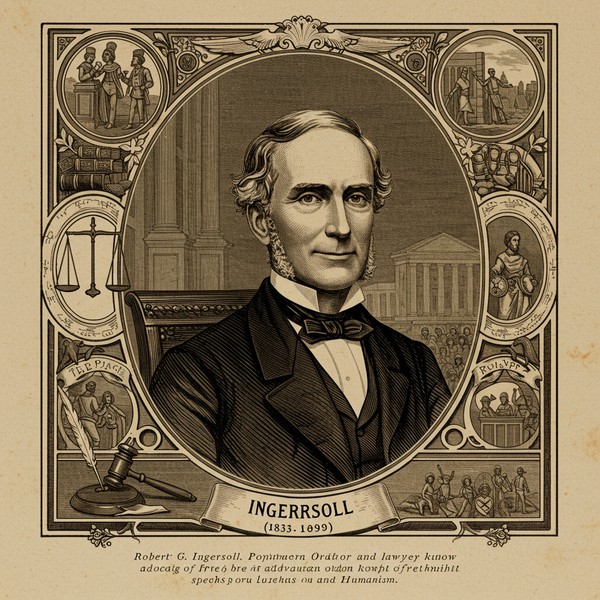
Robert G. Ingersoll
Robert G. Ingersoll
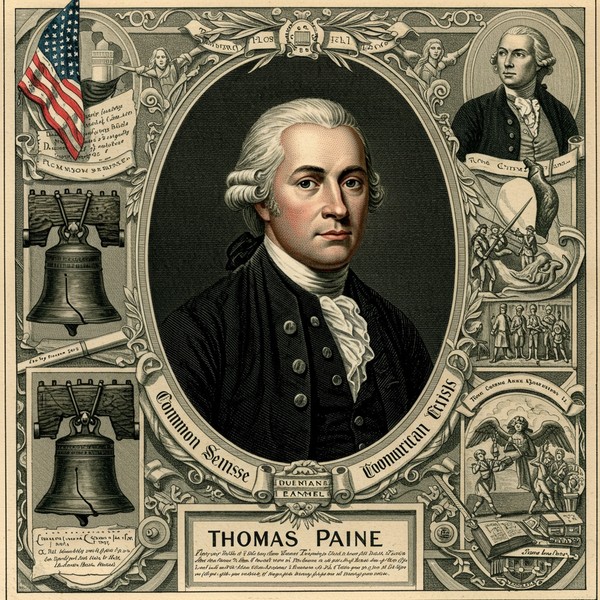
Thomas Paine
Thomas Paine

Christopher Hitchens
Christopher Hitchens
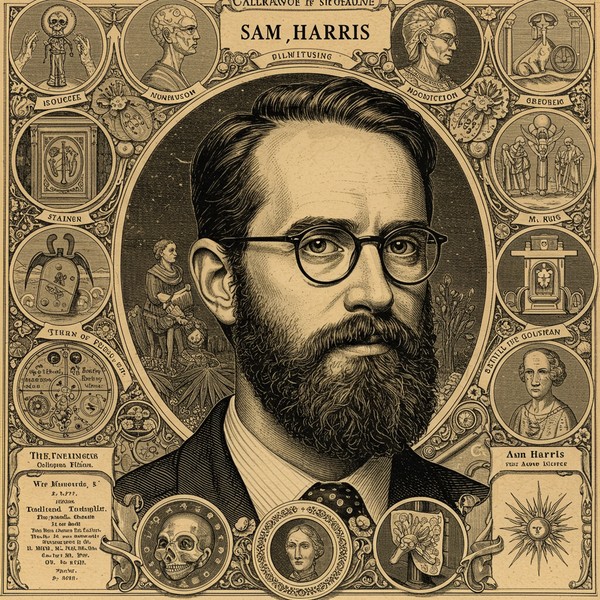
Sam Harris
Sam Harris
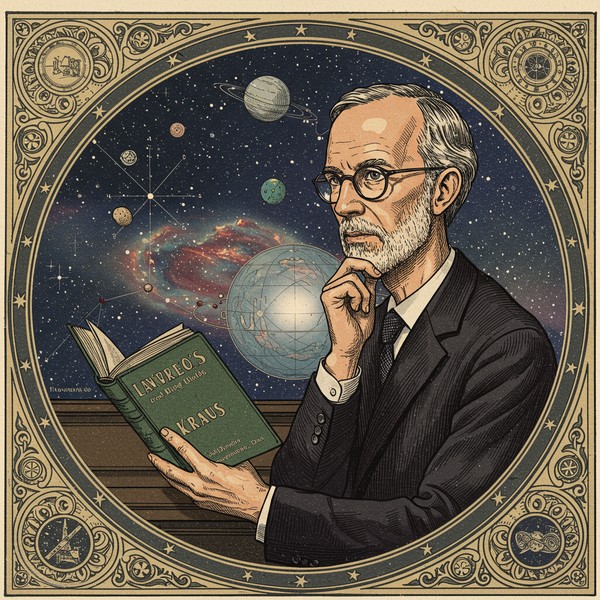
Lawrence Krauss
Lawrence Krauss
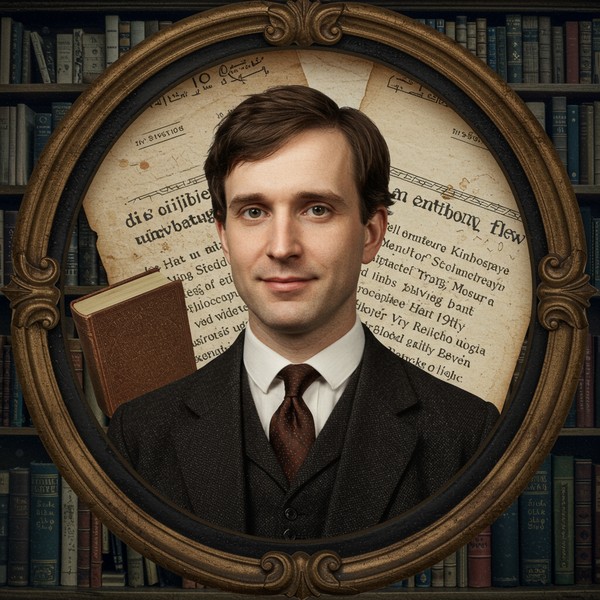
Antony Flew
Antony Flew
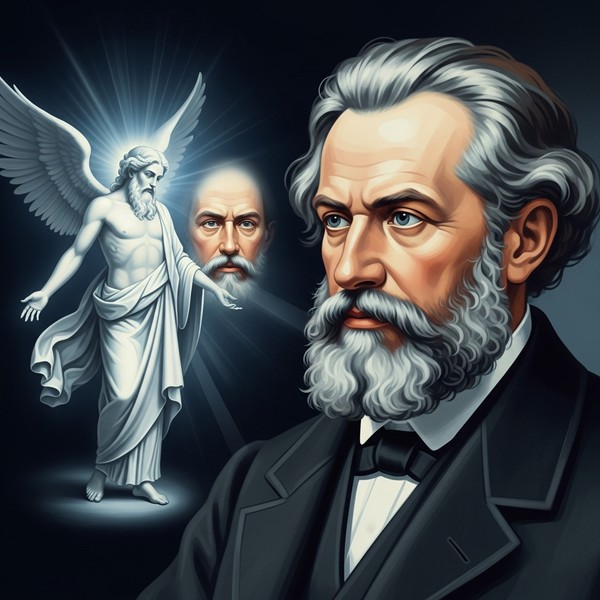
Ludwig Feuerbach
Ludwig Feuerbach
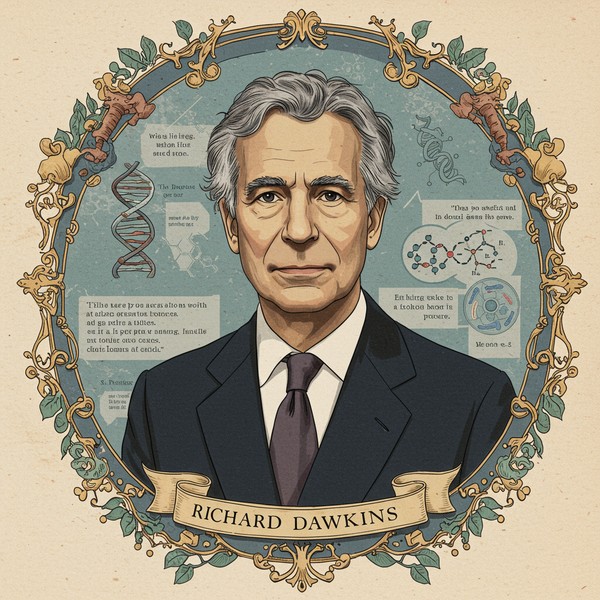
Richard Dawkins
Richard Dawkins