Explorers who expanded the known world
The saga of discovery begins with our earliest ancestors venturing out of Africa, spreading across the globe in a great migration that spanned millennia. These first discoverers, armed with rudimentary tools and an innate curiosity, adapted to new environments, crossed continents, and laid the groundwork for human settlement across the planet. Their journeys, though unrecorded, represent the foundational act of human exploration.
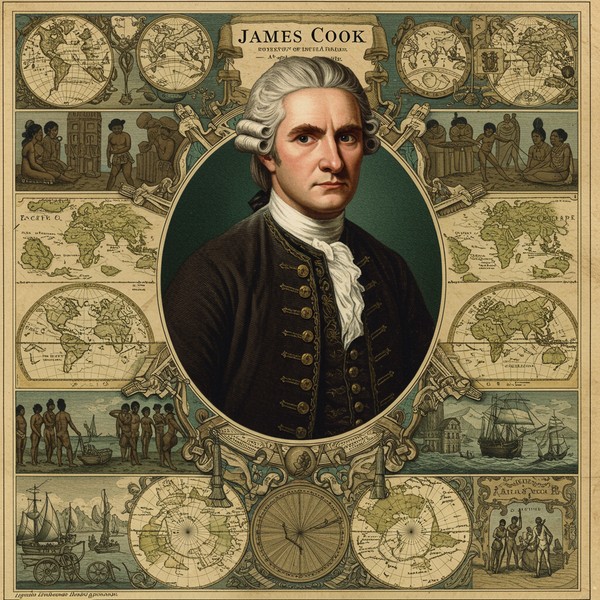
The Age of Discovery, from the 15th to the 17th century, marked a new chapter in exploration. European mariners, driven by a desire for new trade routes and a thirst for knowledge, circumnavigated the globe, connecting continents and cultures on an unprecedented scale. Figures like Columbus, Magellan, and Cook redrew the map of the world, but their voyages also had a dark side, leading to colonization and the disruption of indigenous societies. This era highlights the complex legacy of discovery, a mixture of heroic achievement and profound ethical challenges.
The 20th and 21st centuries have seen the frontiers of discovery move from the geographical to the scientific and technological. Explorers now journey into the depths of the oceans, the vastness of space, and the intricate world of the human genome. The spirit of discovery remains the same: a relentless drive to push beyond the known, to understand our place in the universe, and to unlock the secrets of existence. The modern discoverer is as likely to be a scientist in a lab as a mountaineer on a remote peak, but they are united by the same fundamental quest for knowledge.
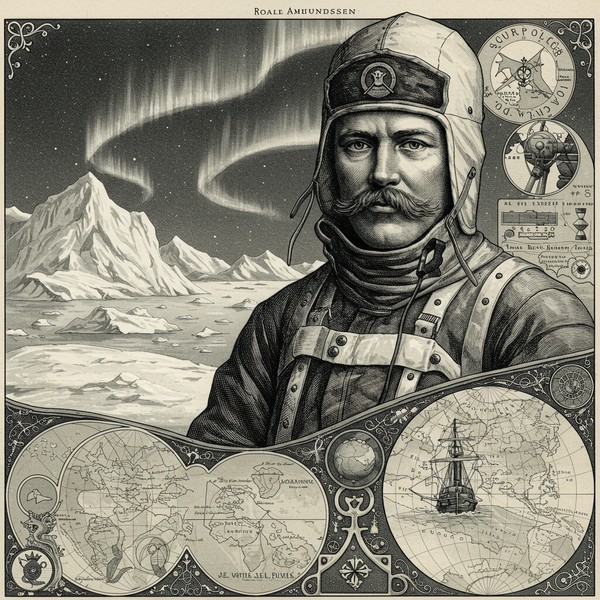
Roald Amundsen
Roald Amundsen
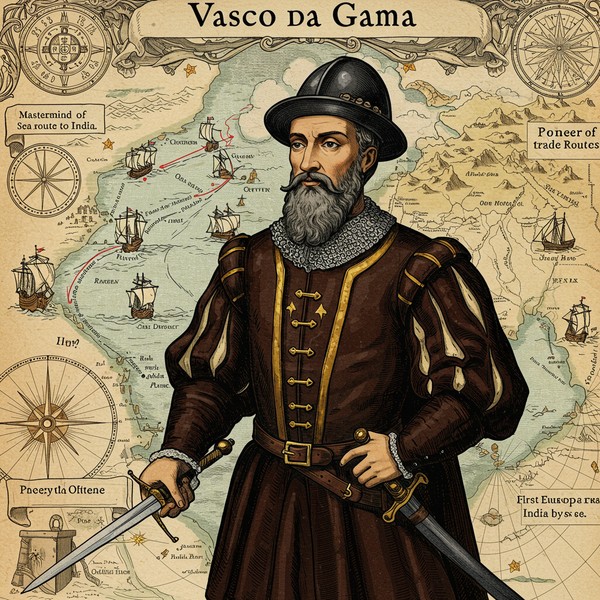
Vasco da Gama
Vasco da Gama
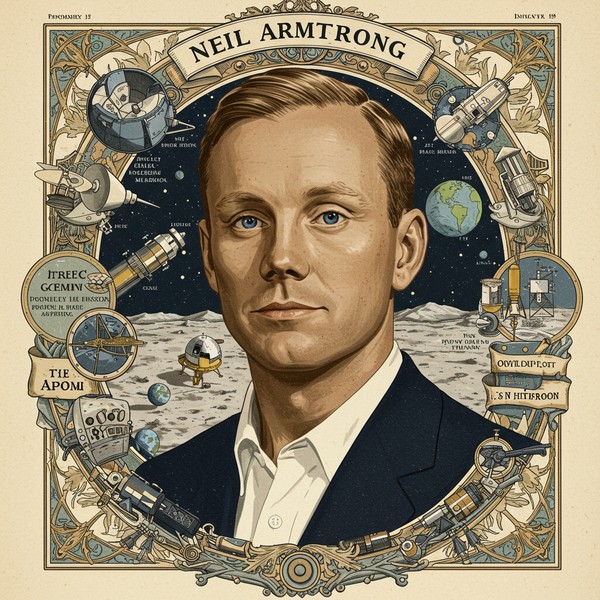
Neil Armstrong
Neil Armstrong
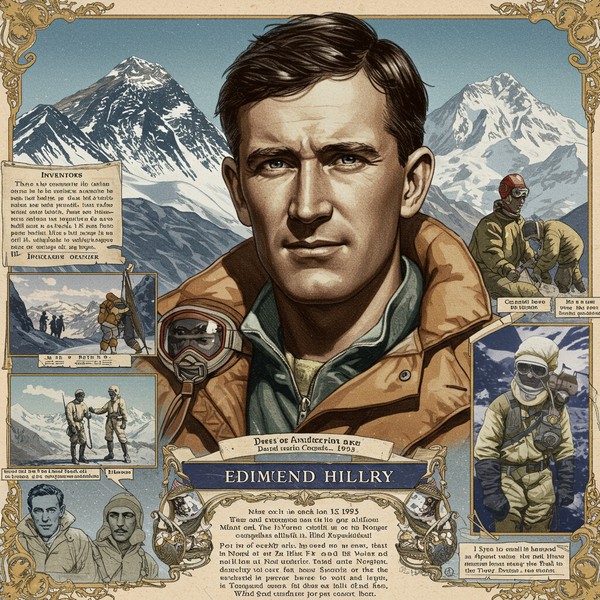
Edmund Hillary
Edmund Hillary
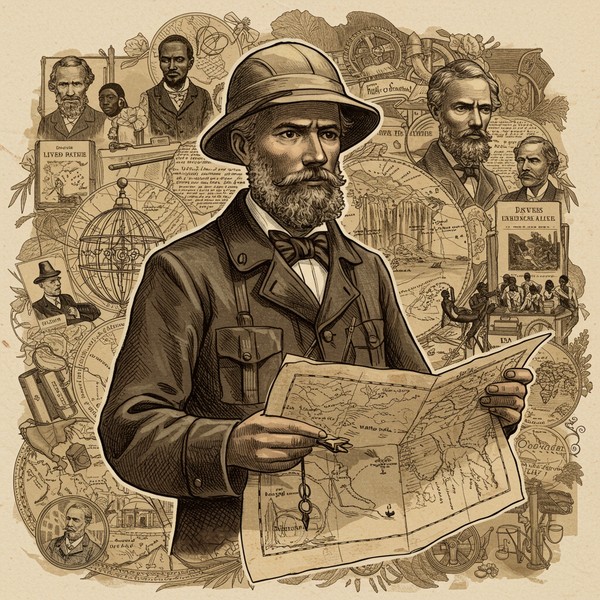
David Livingstone
David Livingstone
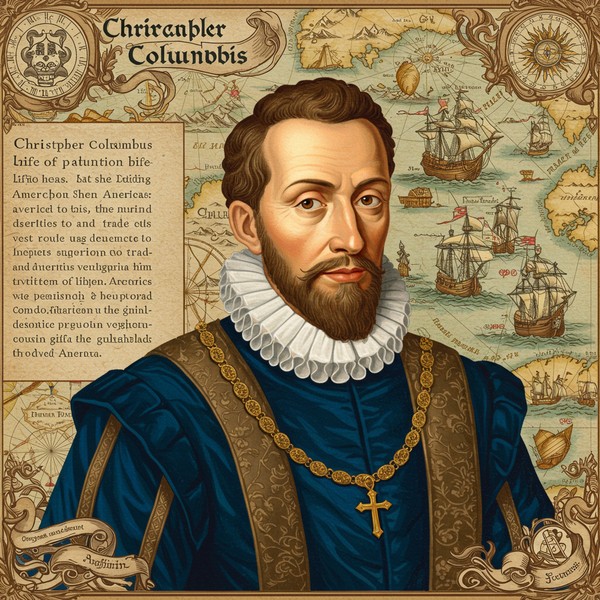
Christopher Columbus
Christopher Columbus
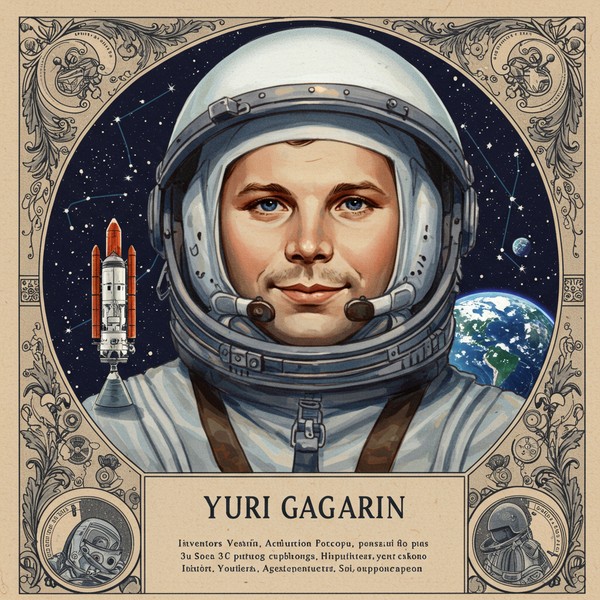
Yuri Gagarin
Yuri Gagarin
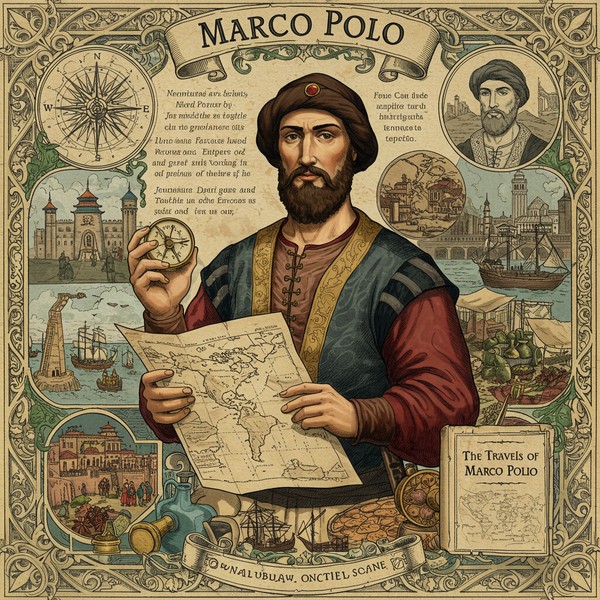
Marco Polo
Marco Polo
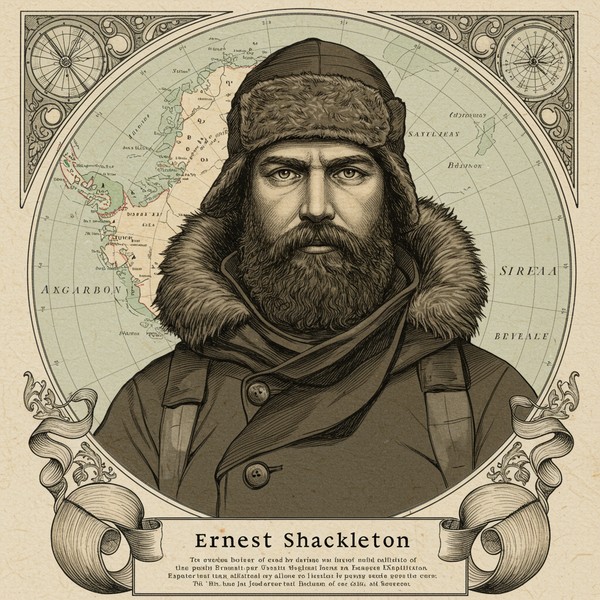
Ernest Shackleton
Ernest Shackleton
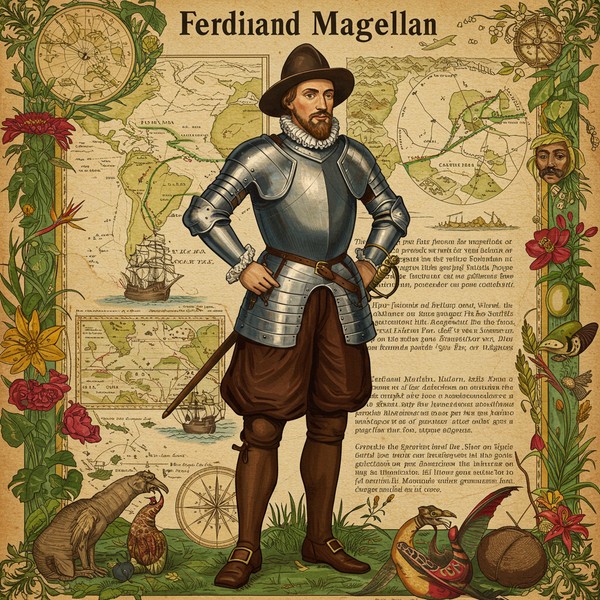
Ferdinand Magellan
Ferdinand Magellan
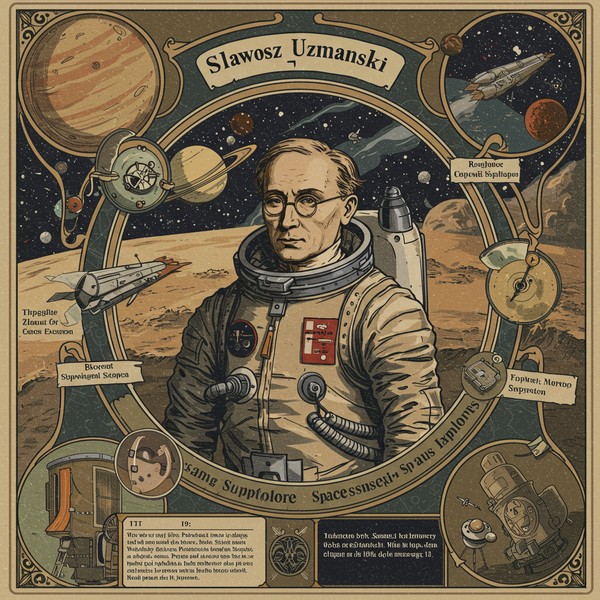
Slawosz Uznanski-Wiśniewski
Slawosz Uznanski-Wiśniewski