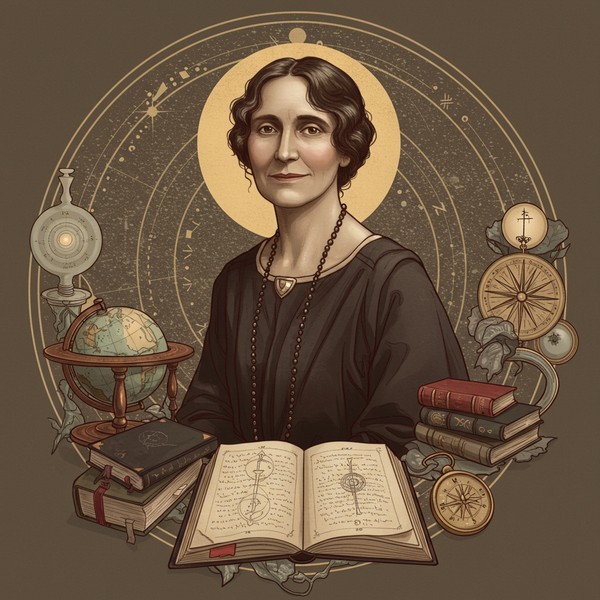
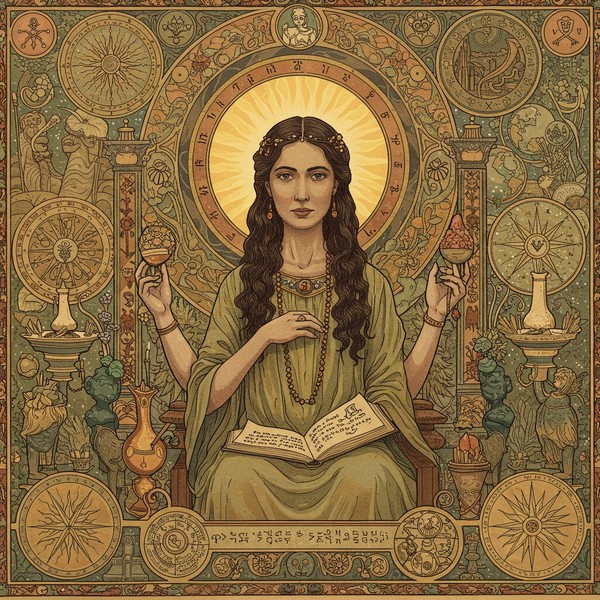
Seekers of secret wisdom and spiritual truths
The origins of esotericism can be traced to the ancient mystery schools of Egypt, Greece, and Rome, where initiates were guided through secret rituals and teachings designed to awaken higher consciousness. The Hermetic tradition, attributed to the legendary Hermes Trismegistus, with its teachings on alchemy, astrology, and theurgy, laid a foundational stone for Western esotericism. These early traditions emphasized direct, personal experience of the divine, a theme that would resonate through the centuries.
During the Middle Ages and the Renaissance, esoteric ideas were often interwoven with mainstream religion and philosophy. The Kabbalah, a mystical tradition within Judaism, and the works of Christian mystics like Meister Eckhart, explored the hidden dimensions of the divine. The translation of Hermetic and Neoplatonic texts during the Renaissance sparked a renewed interest in magic, alchemy, and astrology, influencing many of the great thinkers of the time.
The 19th century saw the rise of modern esoteric movements, such as Theosophy, Spiritualism, and the Hermetic Order of the Golden Dawn. These groups sought to synthesize science, religion, and philosophy into a new understanding of the cosmos and humanity's place within it. In the 20th and 21st centuries, esotericism has continued to evolve, with a renewed interest in shamanism, paganism, and other indigenous traditions, as well as the integration of esoteric ideas with psychology and transpersonal studies.
Helena Blavatsky
Helena Blavatsky
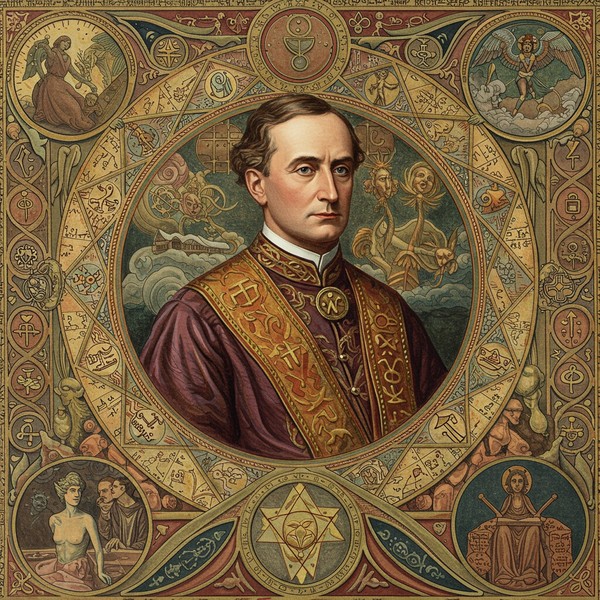
A. P. Sinnett
A. P. Sinnett
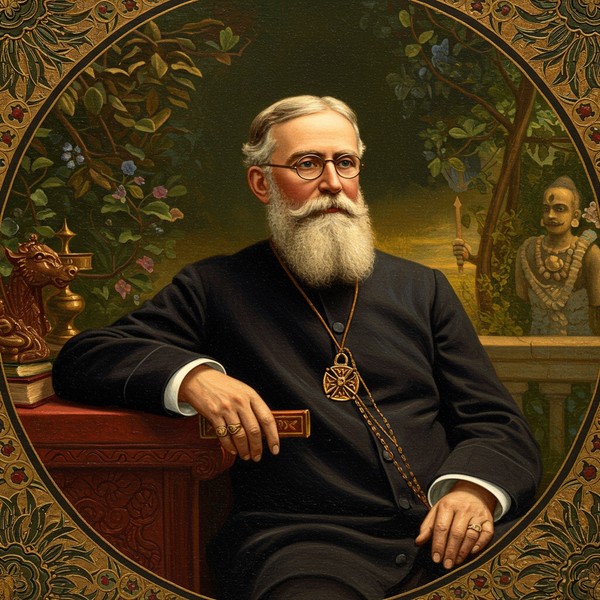
Henry Steel Olcott
Henry Steel Olcott
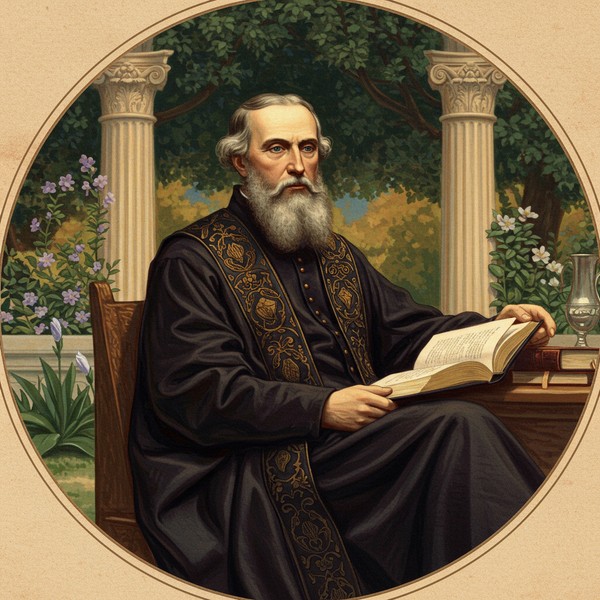
C.W. Leadbeater
C.W. Leadbeater
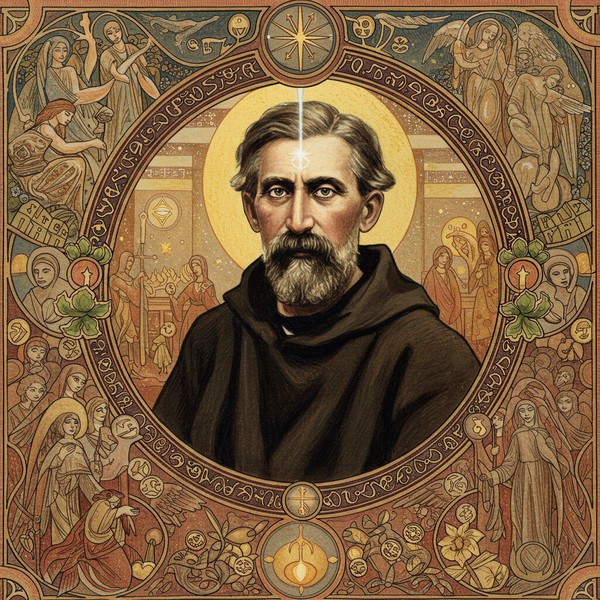
Rudolf Steiner
Rudolf Steiner
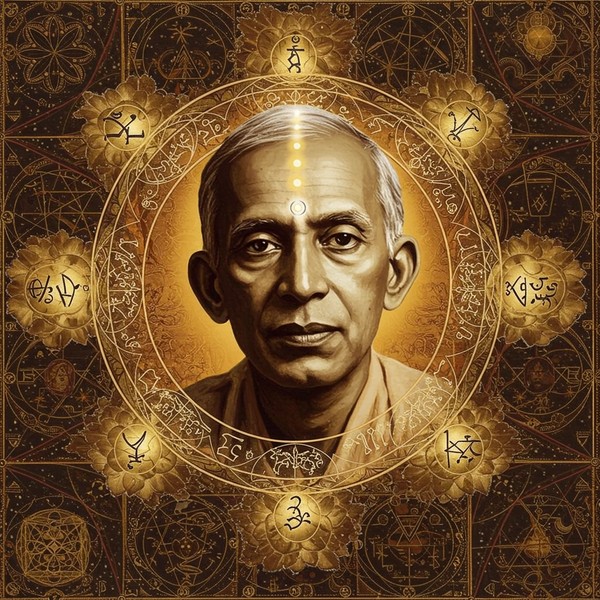
Jiddu Krishnamurti
Jiddu Krishnamurti
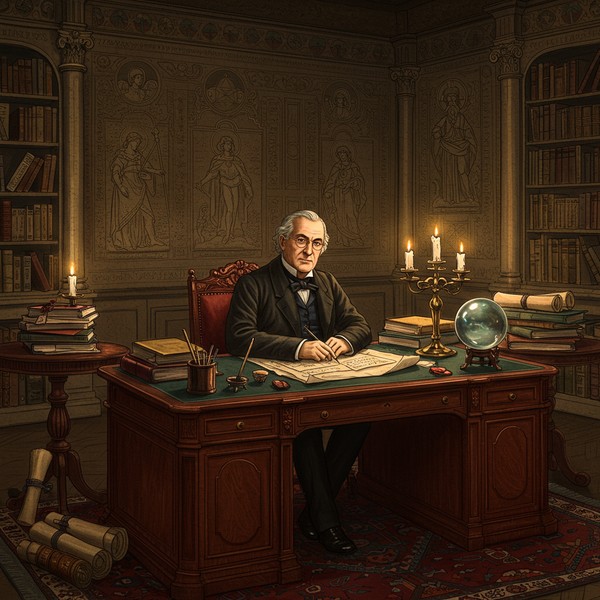
Édouard Schuré
Édouard Schuré
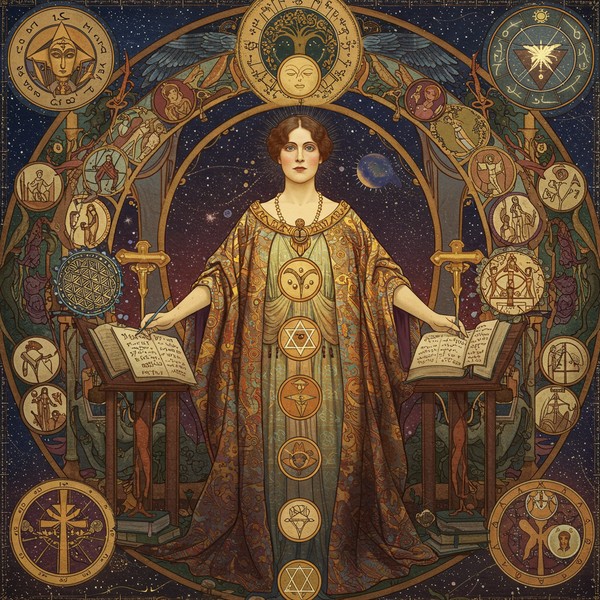
Mabel Collins
Mabel Collins
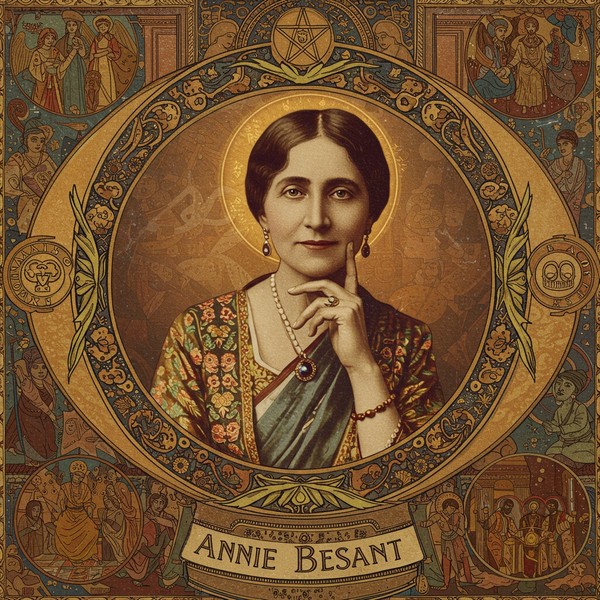
Annie Besant
Annie Besant