Advocates for gender equality and women's rights
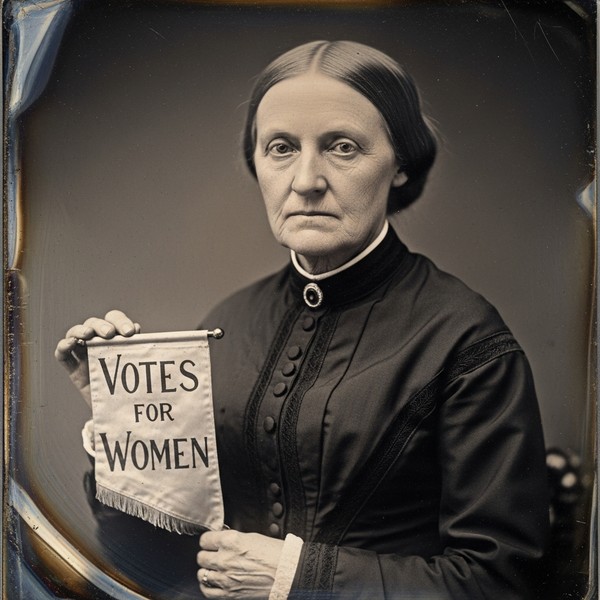
The roots of feminism can be traced back to the Enlightenment era, where early thinkers like Mary Wollstonecraft challenged prevailing notions of women's inferiority and advocated for their education and rights. The 19th century saw the emergence of the first wave of feminism, focusing on legal issues such as women's suffrage. Pioneers like Susan B. Anthony and Elizabeth Cady Stanton fought tirelessly for the right to vote, laying the groundwork for future feminist movements.
The second wave of feminism in the 1960s and 1970s expanded the focus to a broader range of issues, including workplace equality, reproductive rights, and sexual liberation. Influential figures like Betty Friedan and Gloria Steinem brought feminist ideas into mainstream discourse, challenging societal norms and advocating for systemic change. This era also saw the rise of intersectionality, recognizing that women's experiences are shaped by multiple identities, including race, class, and sexuality.
The third wave of feminism in the 1990s and 2000s embraced diversity and individualism, challenging traditional definitions of femininity and advocating for a more inclusive movement. Feminists like bell hooks and Judith Butler explored the intersections of gender with other social categories, emphasizing the importance of personal agency and self-expression. Today, feminism continues to evolve, addressing contemporary issues such as online harassment, body positivity, and trans rights, while remaining committed to the core principles of equality and justice.
The fourth wave of feminism, emerging in the 2010s, is characterized by digital activism and a focus on intersectionality. This wave has been driven by social media platforms, where activists like Tarana Burke and women of color have brought attention to issues such as sexual harassment, body positivity, and trans rights. The fourth wave emphasizes personal narratives and the power of collective online action to create change.
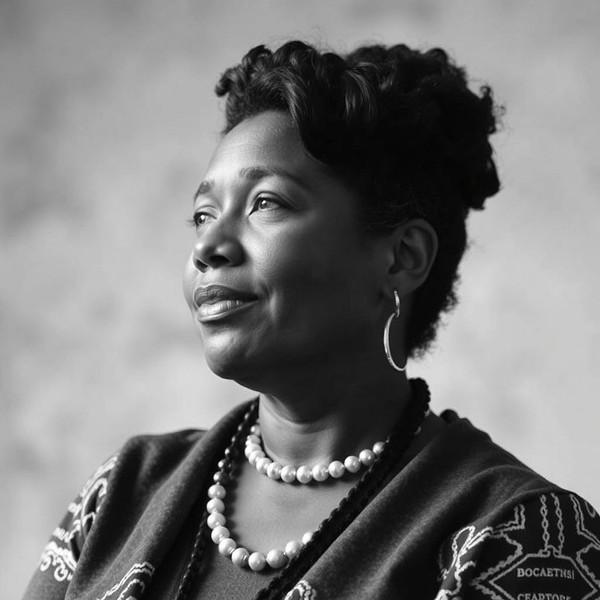
Bell Hooks
Bell Hooks
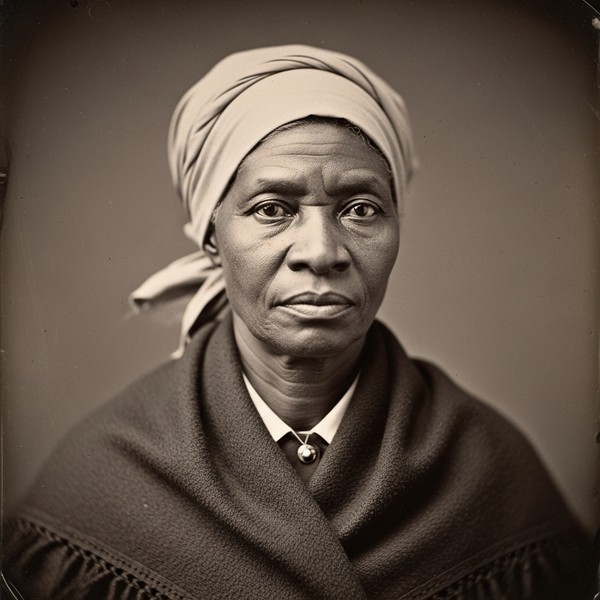
Sojourner Truth
Sojourner Truth

Judith Butler
Judith Butler
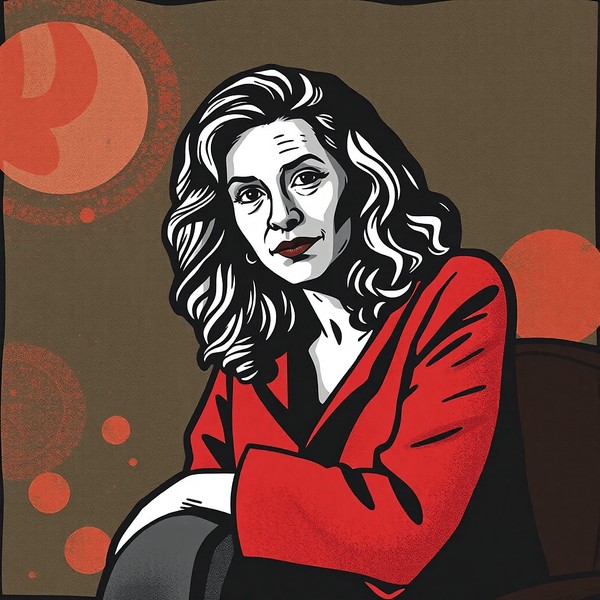
Rebecca Solnit
Rebecca Solnit
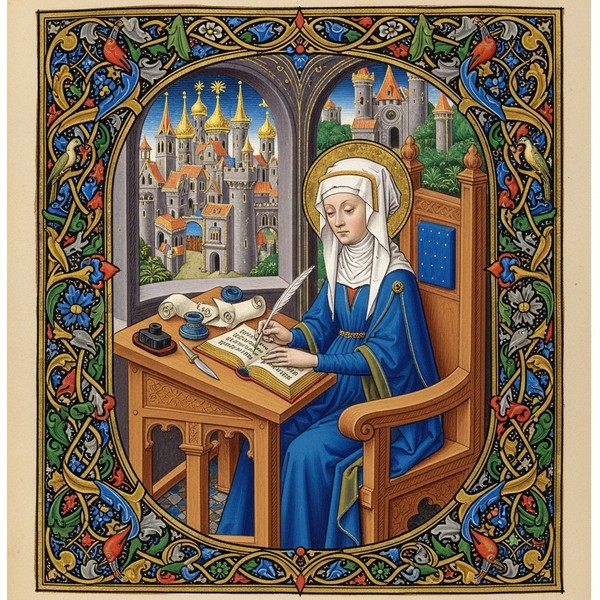
Christine de Pizan
Christine de Pizan
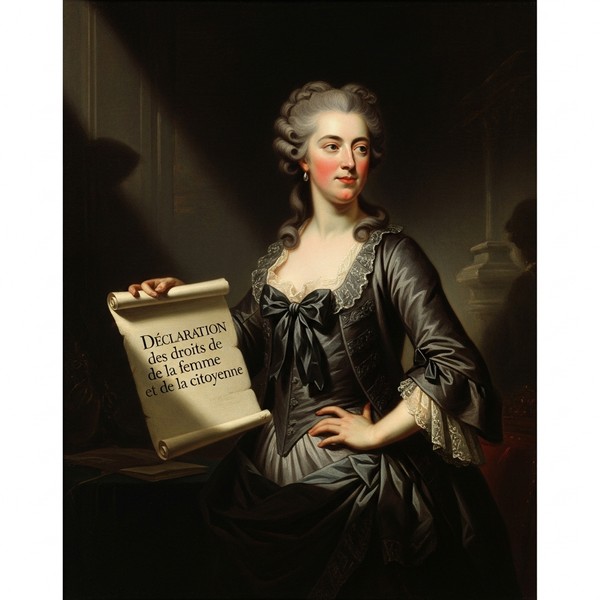
Olympe de Gouges
Olympe de Gouges
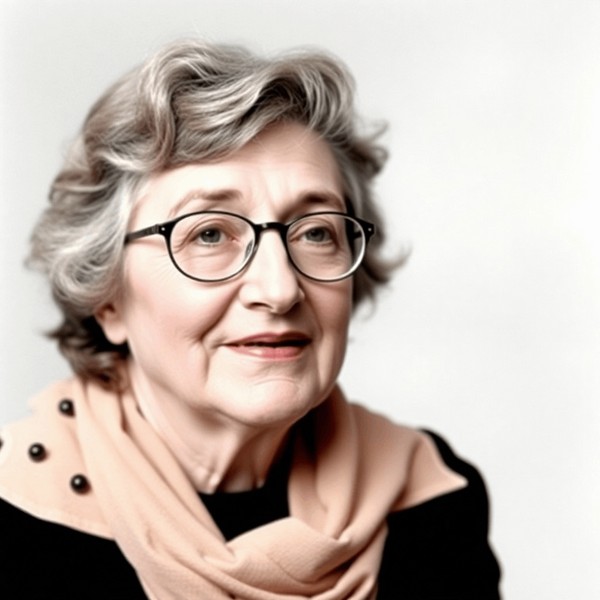
Betty Friedan
Betty Friedan
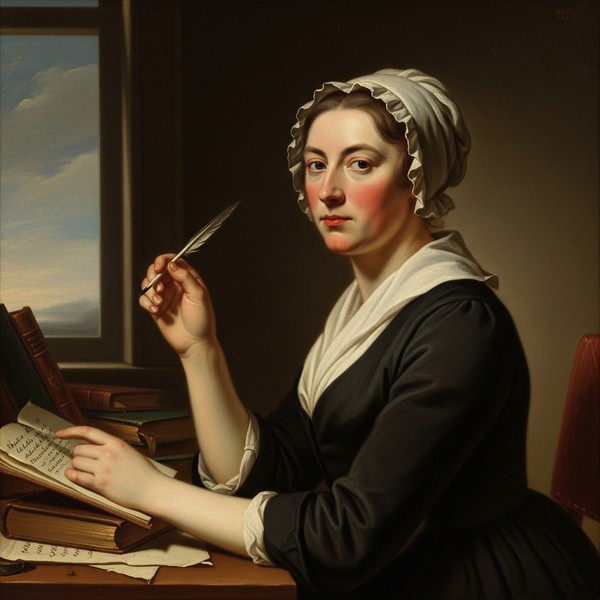
Mary Wollstonecraft
Mary Wollstonecraft
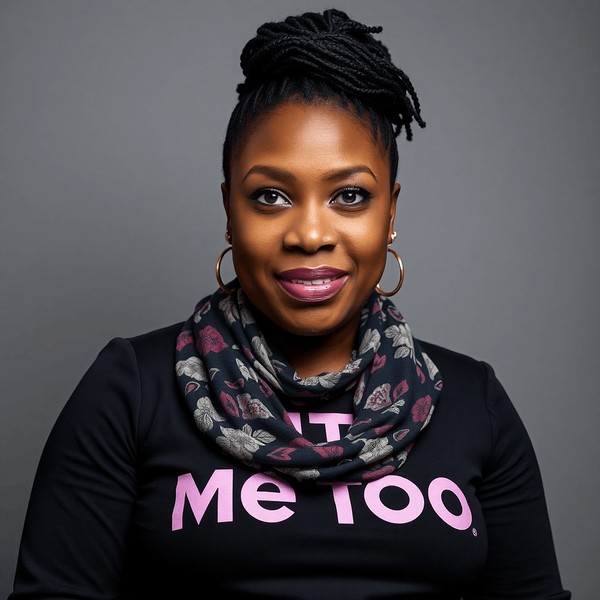
Tarana Burke
Tarana Burke
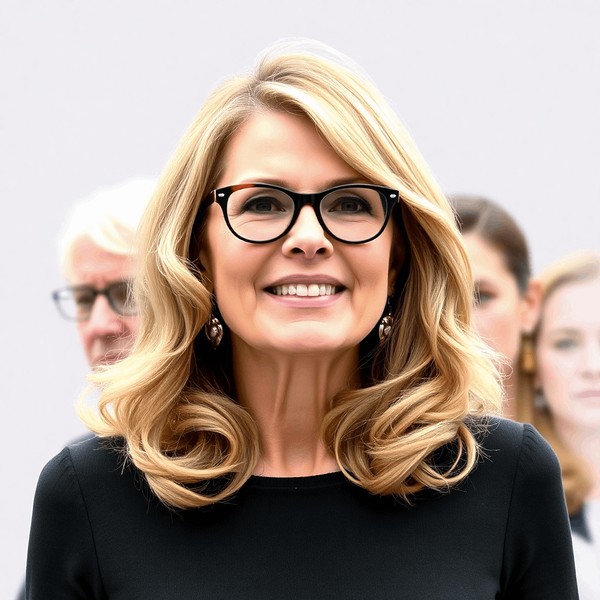
Gloria Steinem
Gloria Steinem
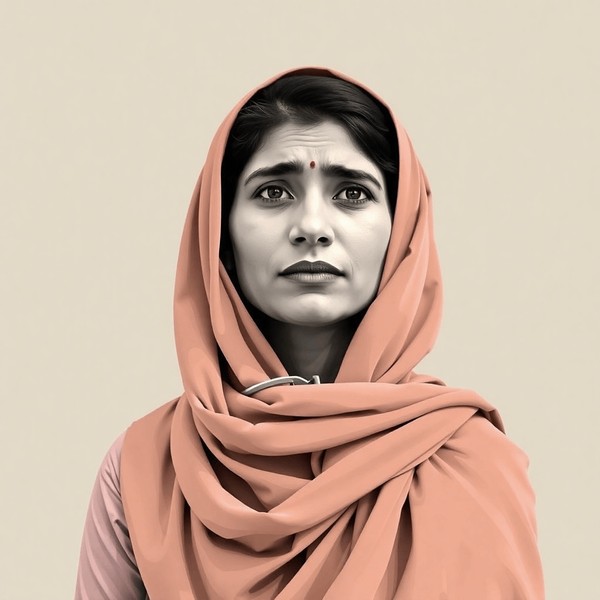
Malala Yousafzai
Malala Yousafzai