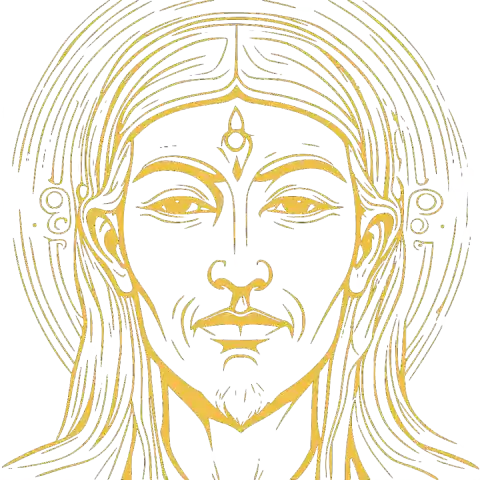
Visionaries who anticipate and shape the future
The roots of futurism can be traced back to ancient civilizations, where oracles and seers sought to predict the future through divination and prophecy. However, the modern concept of futurism emerged in the early 20th century, with the Italian Futurist movement led by Filippo Tommaso Marinetti. This avant-garde movement celebrated technology, speed, and innovation, rejecting the past and embracing the possibilities of the future. The Futurists envisioned a world transformed by machines, urbanization, and new forms of art and culture.
In the mid-20th century, the rise of science fiction literature and cinema further popularized futurist ideas. Writers like Isaac Asimov, Arthur C. Clarke, and Philip K. Dick explored the implications of technological advancement and societal change, influencing how people think about the future. The 1960s and 1970s saw a surge in futurist thinking, with the emergence of cyberpunk literature and films that depicted a dystopian future shaped by technology.


Arthur C. Clarke
Arthur C. Clarke
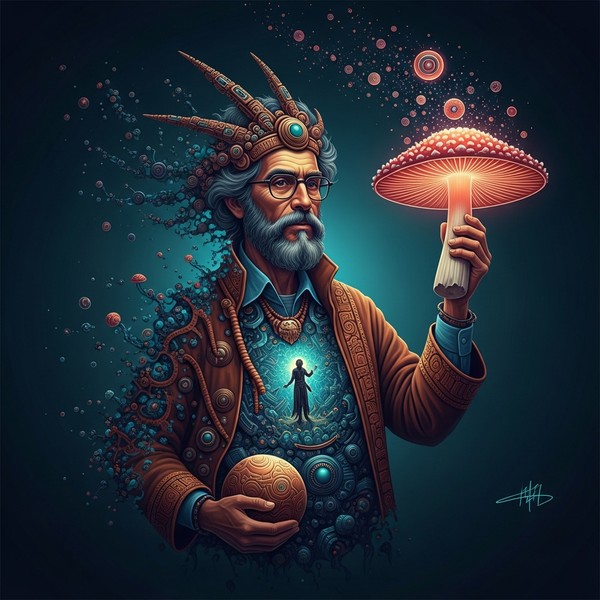
Terence McKenna
Terence McKenna
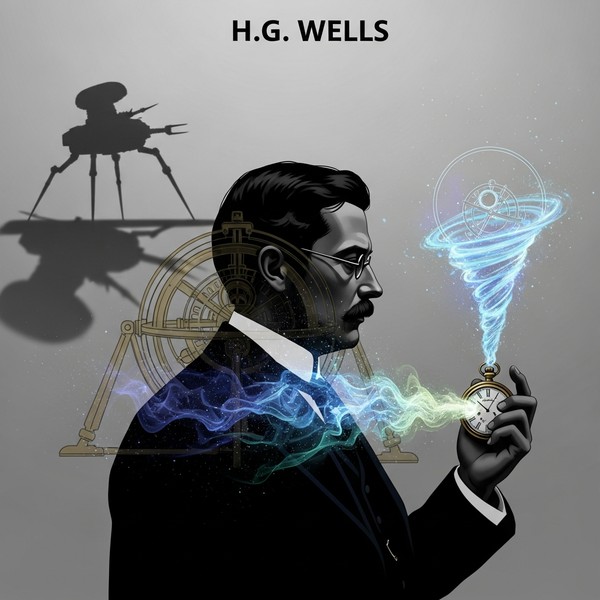
H.G. Wells
H.G. Wells
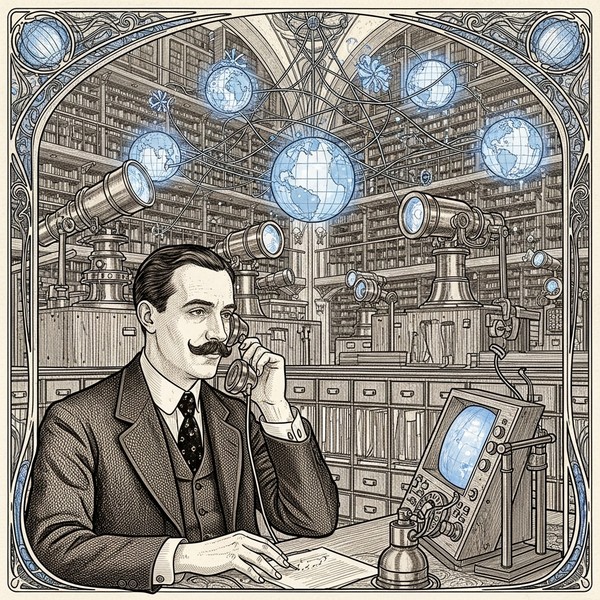
Paul Otlet
Paul Otlet
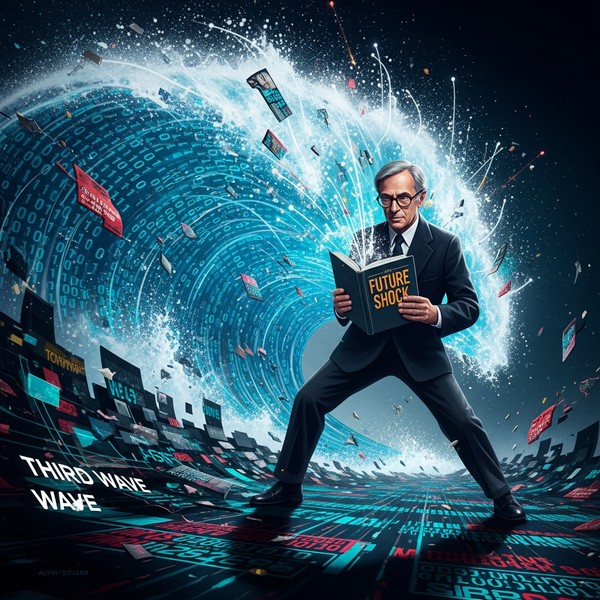
Alvin Toffler
Alvin Toffler

Nikolai Fyodorov
Nikolai Fyodorov

FM-2030
FM-2030

Philip K. Dick
Philip K. Dick

Gene Roddenberry
Gene Roddenberry
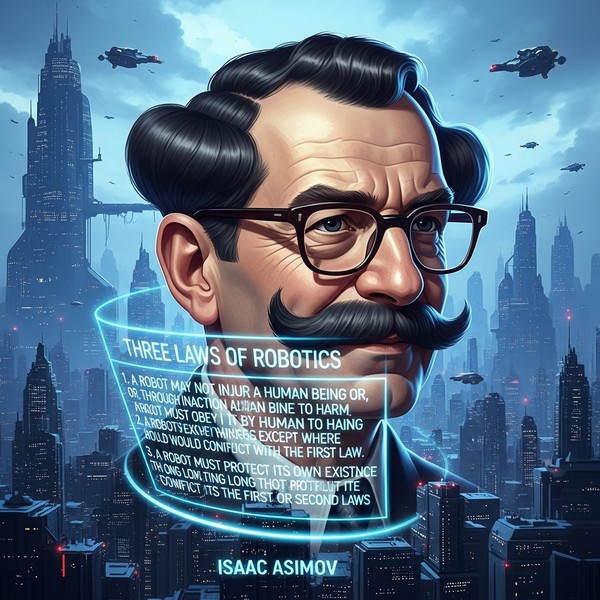
Isaac Asimov
Isaac Asimov
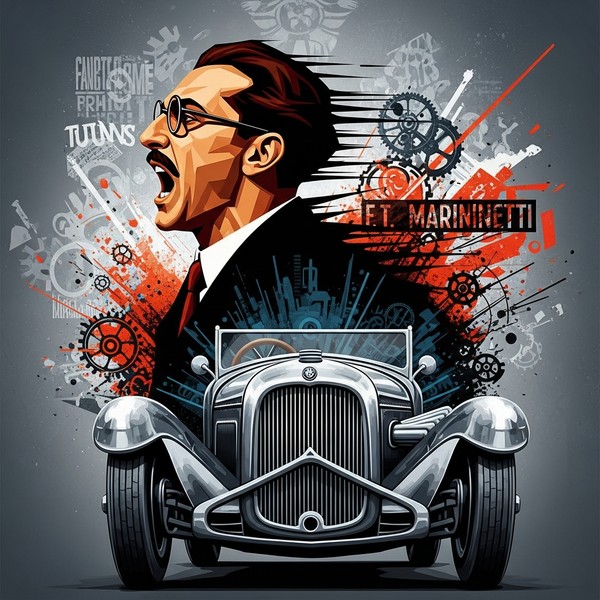
F. T. Marinetti
F. T. Marinetti