Cultural icons who shaped modern society
The concept of the icon has its roots in religious tradition, where icons were sacred images that served as windows to the divine. In the secular world, the rise of mass media in the late 19th and early 20th centuries created the conditions for a new kind of icon. The silent film era produced the first global movie stars, figures like Charlie Chaplin, whose on-screen personas became instantly recognizable worldwide.
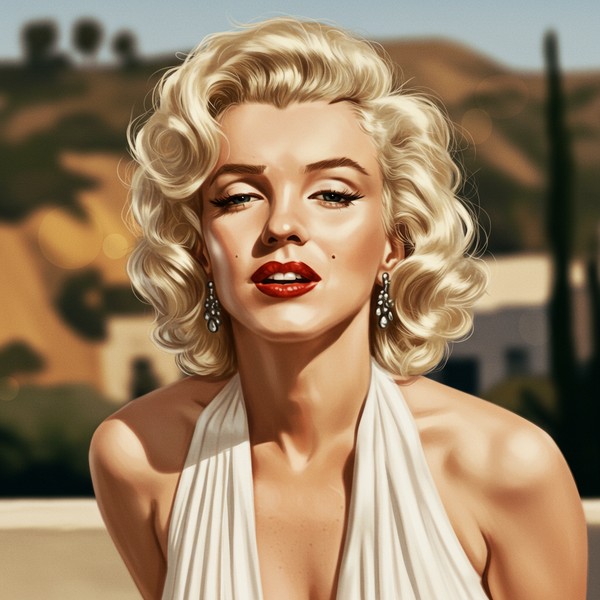
The mid-20th century, with the advent of television and the rise of youth culture, was a golden age for cultural icons. Figures like Elvis Presley, Marilyn Monroe, and James Dean captured the rebellious spirit of a generation, their images becoming synonymous with a new era of freedom and non-conformity. The political and social upheavals of the 1960s produced their own icons, such as Martin Luther King Jr. and Che Guevara, who embodied the struggle for civil rights and revolutionary change.
In the age of the internet and social media, the nature of iconicity has changed once again. Fame can be more fleeting, but also more global and instantaneous. A new generation of icons has emerged from the worlds of music, fashion, and online culture, their influence amplified by the power of digital networks. Yet, the fundamental role of the icon remains the same: to embody and reflect the values, dreams, and struggles of their time, serving as a mirror to our own identities and aspirations.


Che Guevara
Che Guevara
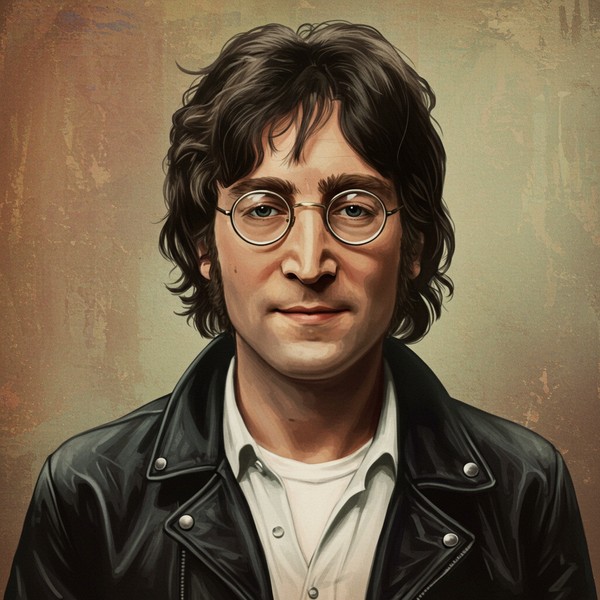
John Lennon
John Lennon
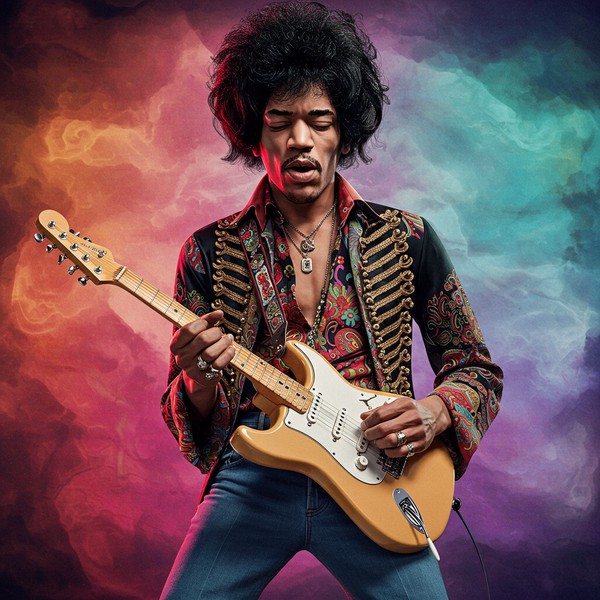
Jimi Hendrix
Jimi Hendrix
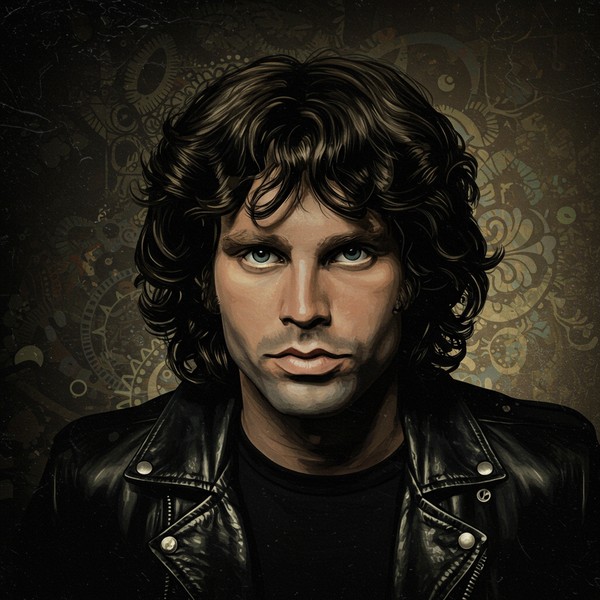
Jim Morrison
Jim Morrison

Kurt Cobain
Kurt Cobain
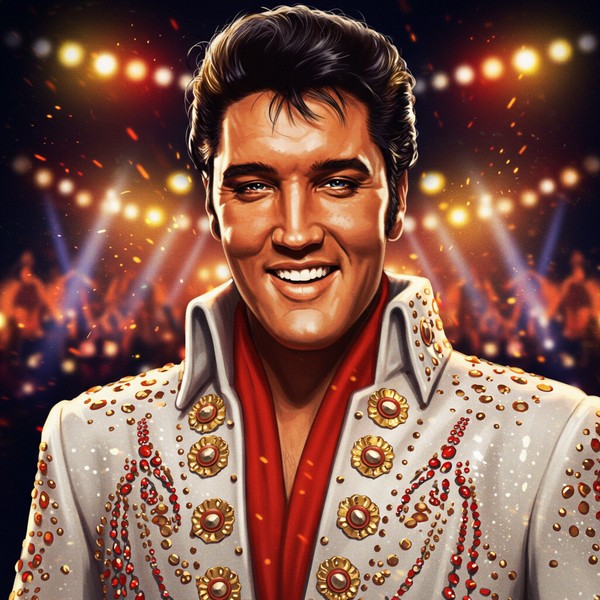
Elvis Presley
Elvis Presley
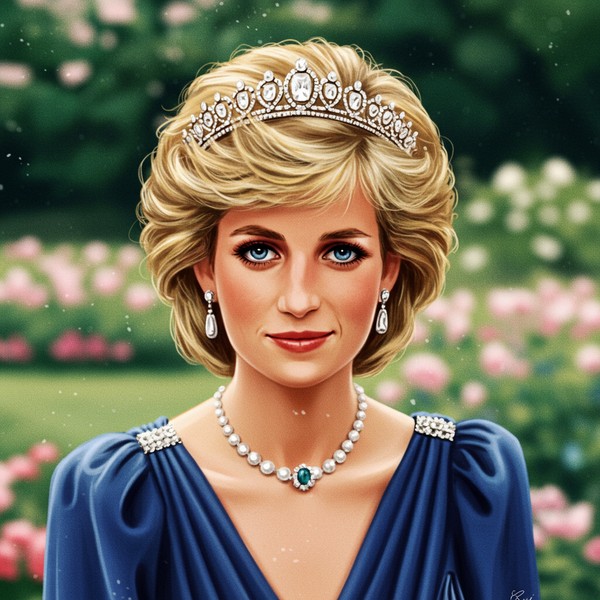
Princess Diana
Princess Diana
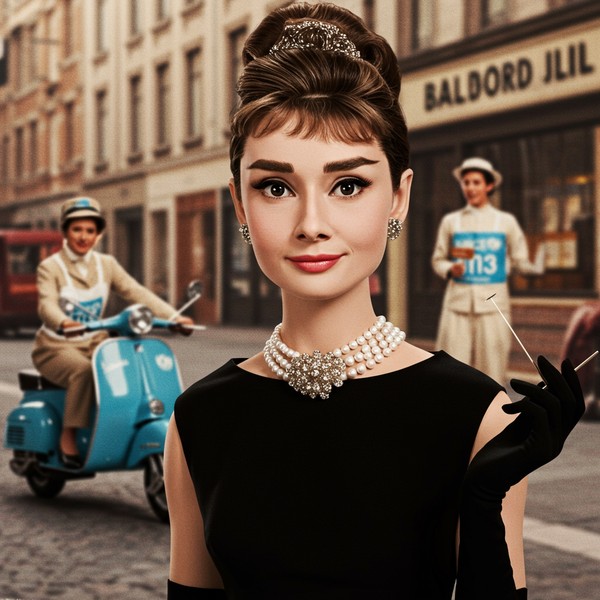
Audrey Hepburn
Audrey Hepburn
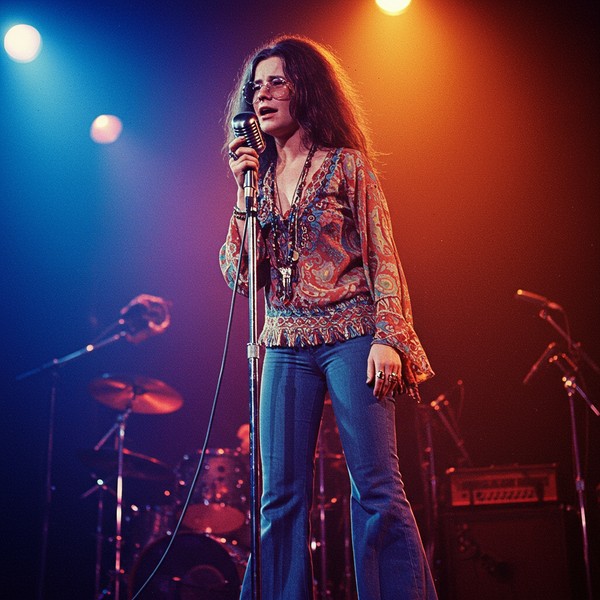
Janis Joplin
Janis Joplin
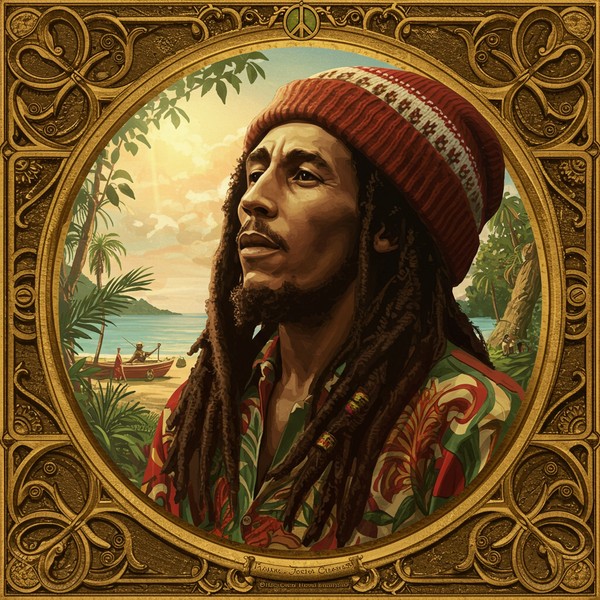
Bob Marley
Bob Marley