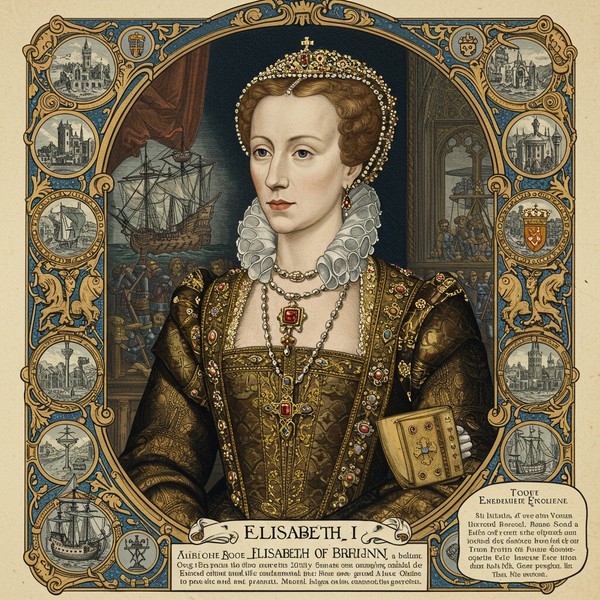
Royal rulers who shaped nations
The institution of monarchy emerged in the ancient world as a way to centralize power and provide leadership in times of war and social upheaval. The first monarchs were often warrior-chiefs who were believed to have a special connection to the divine. In ancient Mesopotamia and Egypt, the king was seen as a god on earth, a mediator between the human and divine realms. This concept of divine kingship would be a recurring theme in the history of monarchy.
In medieval Europe, the concept of monarchy was fused with Christian theology. The king was seen as God's chosen representative on earth, with a sacred duty to uphold justice and defend the faith. The doctrine of the divine right of kings, which held that the monarch's authority came directly from God, was a powerful tool for legitimizing royal power. However, the authority of the monarch was also limited by the power of the Church and the feudal nobility.
The early modern period saw the rise of absolute monarchy, as rulers like Louis XIV of France consolidated their power and created centralized states. However, the Enlightenment and the age of revolutions challenged the very foundations of monarchy. The American and French Revolutions established new models of republican government based on popular sovereignty. In the 19th and 20th centuries, many monarchies were replaced by republics, while others evolved into constitutional monarchies, where the monarch's role is largely ceremonial. The history of monarchy is a story of the ongoing struggle between absolute power and the forces of liberty and democracy.
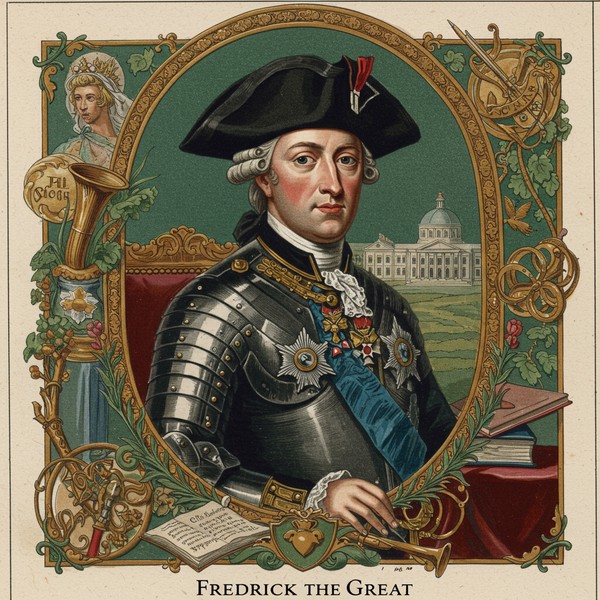
Frederick the Great
Frederick the Great
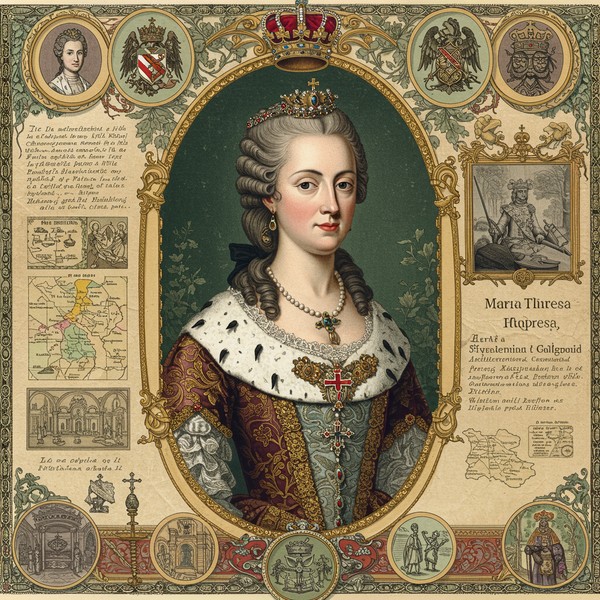
Maria Theresa
Maria Theresa
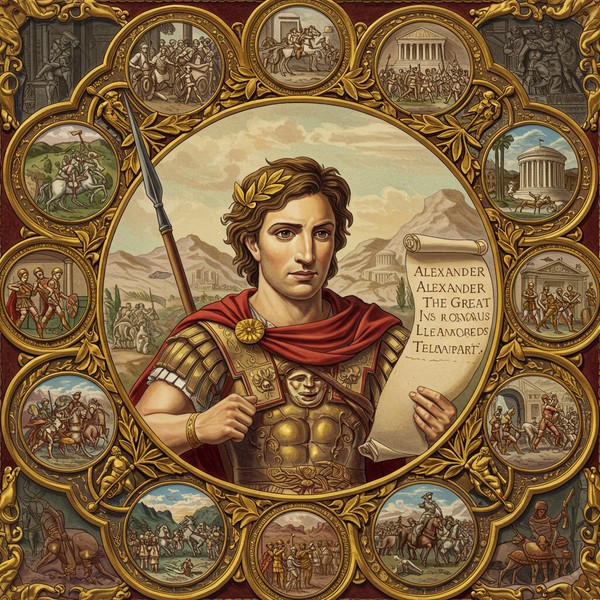
Alexander the Great
Alexander the Great
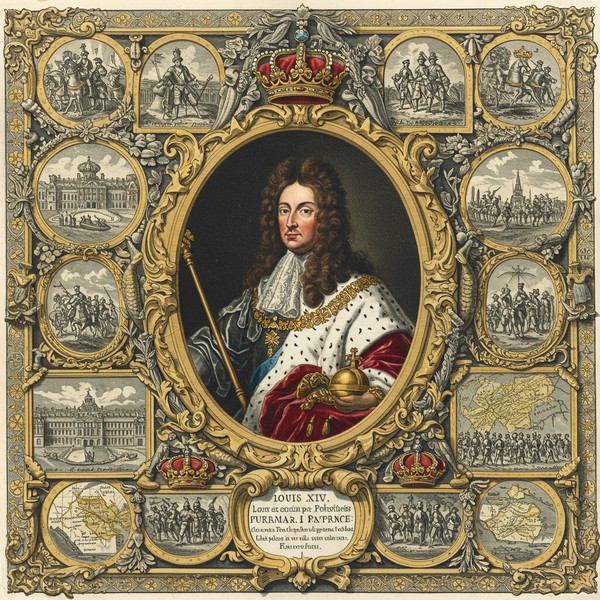
Louis XIV
Louis XIV
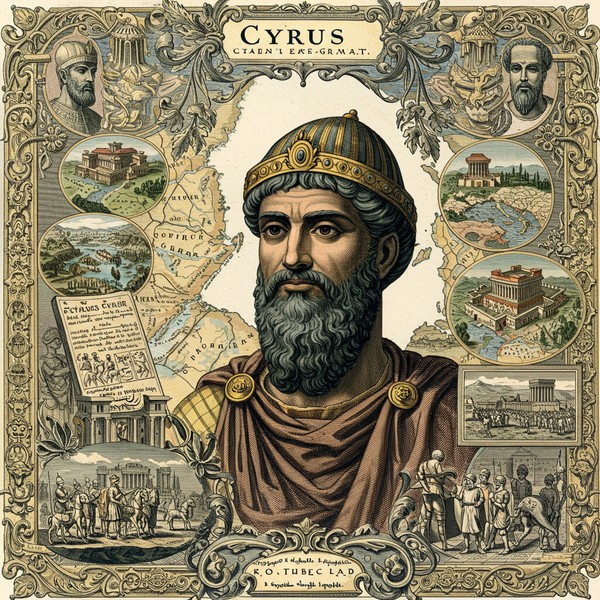
Cyrus the Great
Cyrus the Great
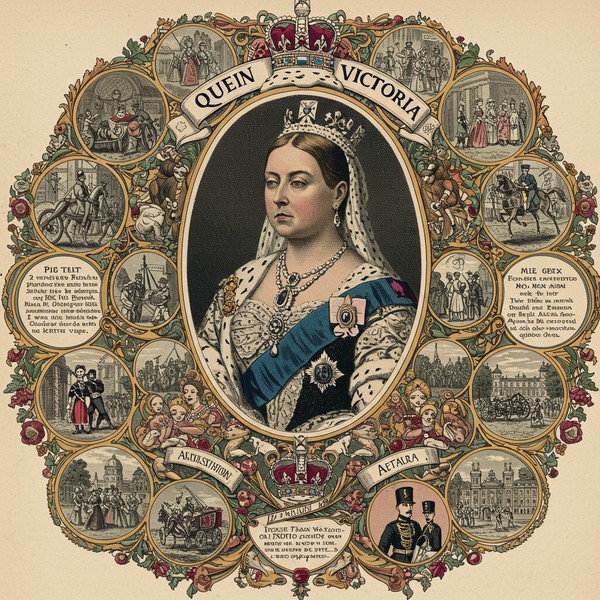
Queen Victoria
Queen Victoria
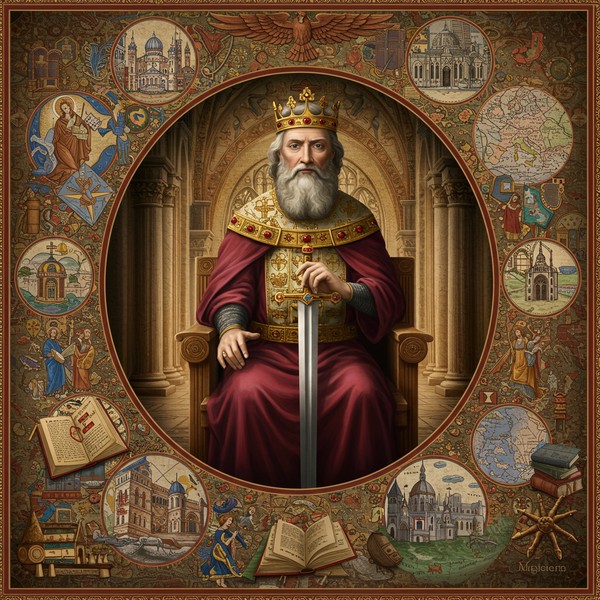
Charlemagne
Charlemagne

Napoleon Bonaparte
Napoleon Bonaparte
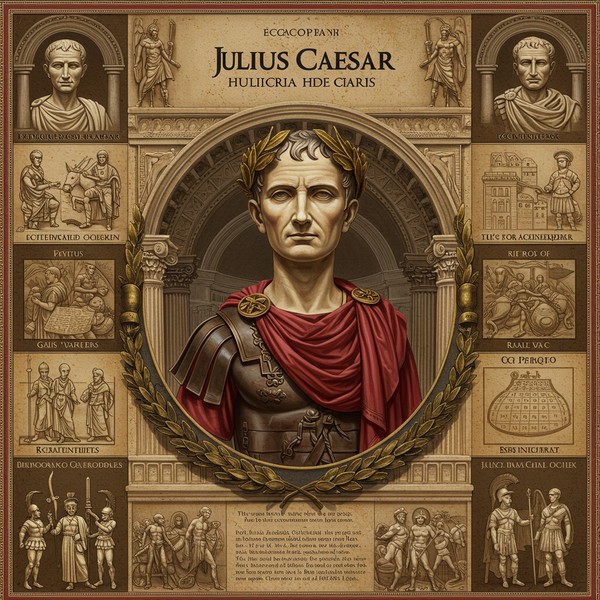
Julius Caesar
Julius Caesar
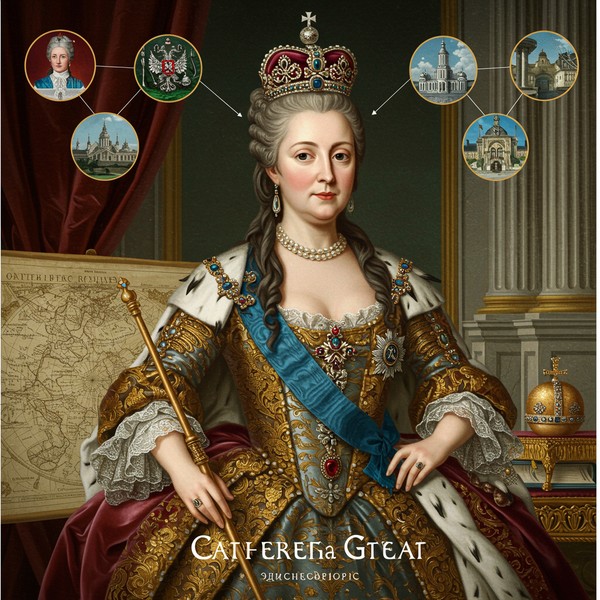
Catherine the Great
Catherine the Great