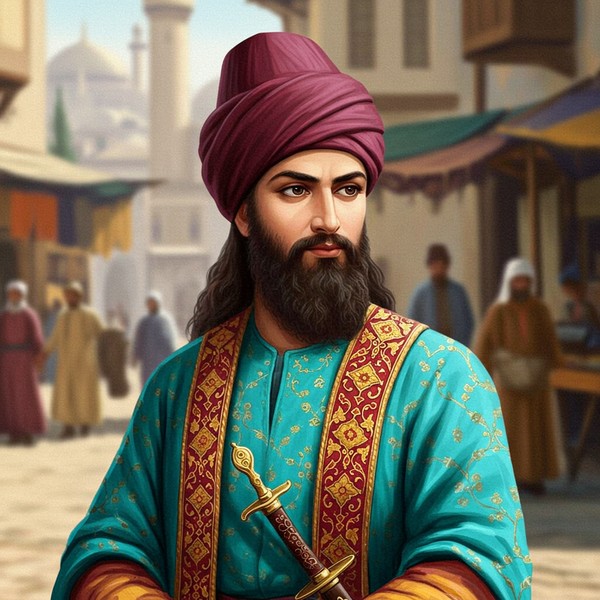
Spiritual seekers who explored the divine
The mystical tradition is as old as humanity itself. The shamans of prehistoric cultures, who entered altered states of consciousness to communicate with the spirit world, can be seen as the first mystics. In the ancient world, the Upanishads of India, the Tao Te Ching of China, and the dialogues of Plato all explored the nature of ultimate reality and the path to spiritual realization.
The great world religions all have rich mystical traditions. In Christianity, figures like St. Teresa of Ávila and St. John of the Cross described the soul's journey to union with God. In Islam, the Sufi poets, such as Rumi and Hafiz, wrote of the ecstatic love of the divine. In Buddhism, the Zen masters taught the path to enlightenment through meditation and direct insight.
In the modern era, there has been a growing interest in mysticism outside of traditional religious frameworks. The rise of transpersonal psychology, the study of spiritual and transcendent experiences, has brought a new scientific lens to the study of mysticism. The encounter between Eastern and Western spiritual traditions has also created a rich cross-fertilization of ideas and practices. The mystical quest, the search for a deeper meaning and connection to the cosmos, remains a powerful and enduring part of the human experience.
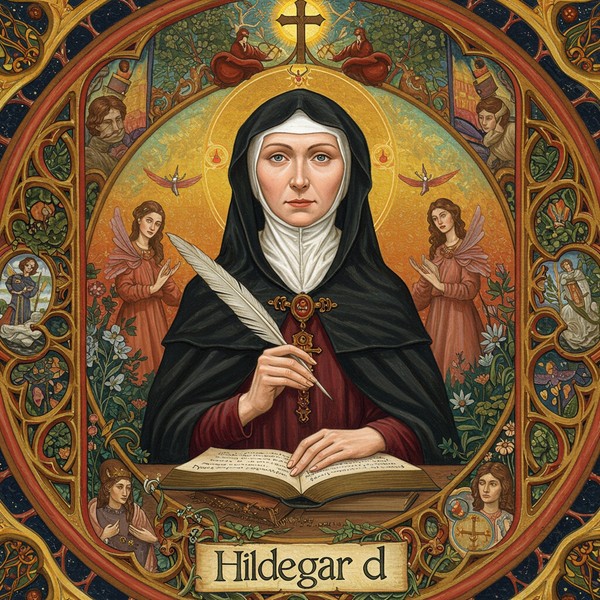
Hildegard of Bingen
Hildegard of Bingen
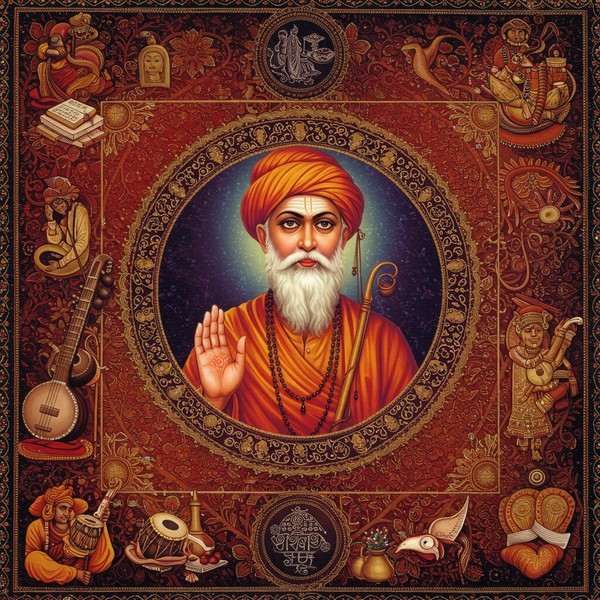
Kabir
Kabir
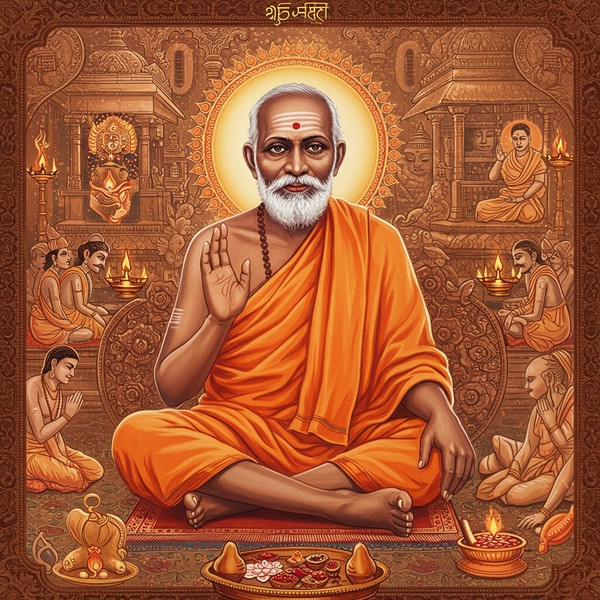
Ramana Maharshi
Ramana Maharshi
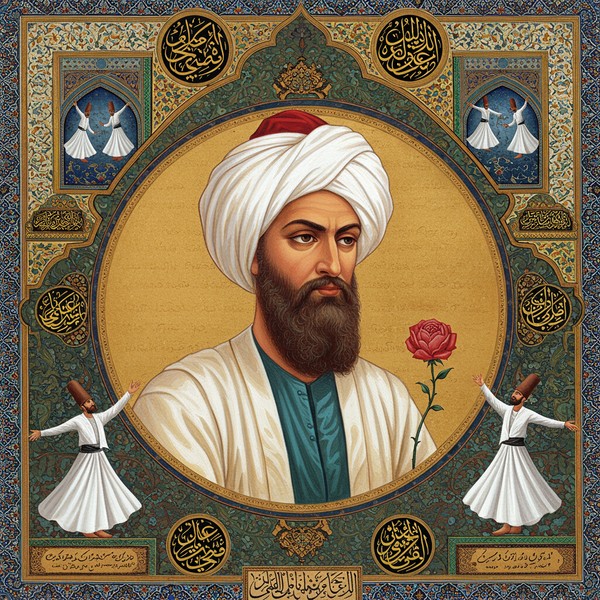
Jalal al-Din Muhammad Rumi
Jalal al-Din Muhammad Rumi
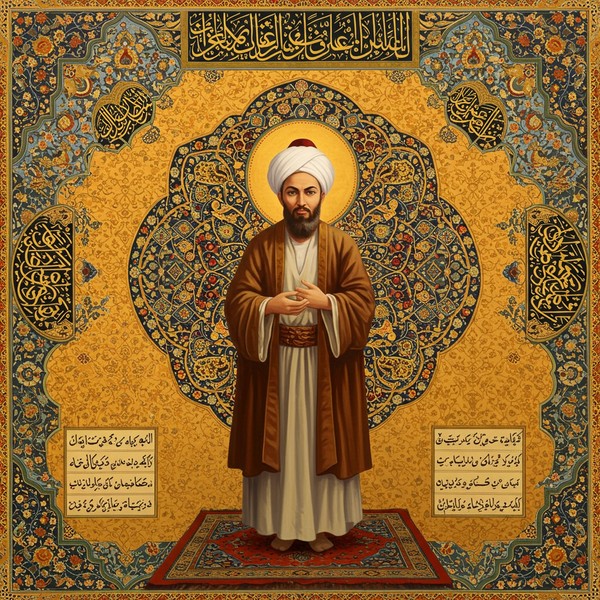
Al-Ghazali
Al-Ghazali
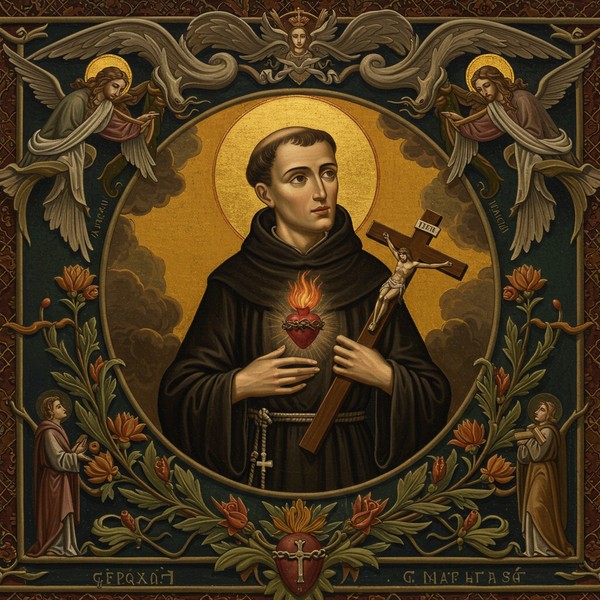
St. John of the Cross
St. John of the Cross
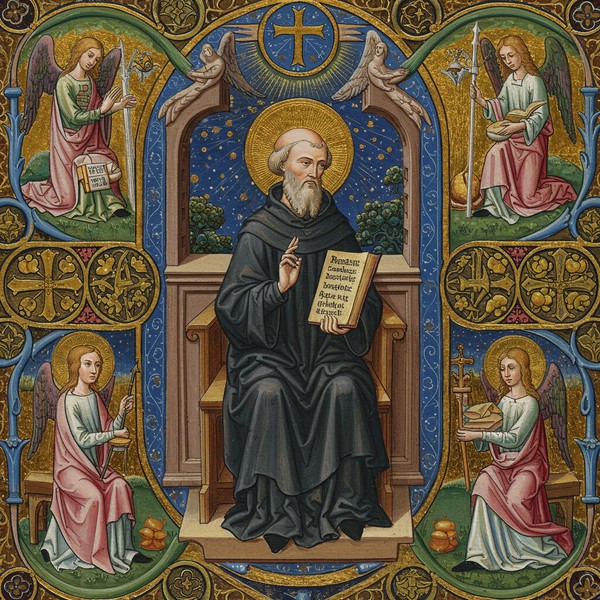
Meister Eckhart
Meister Eckhart
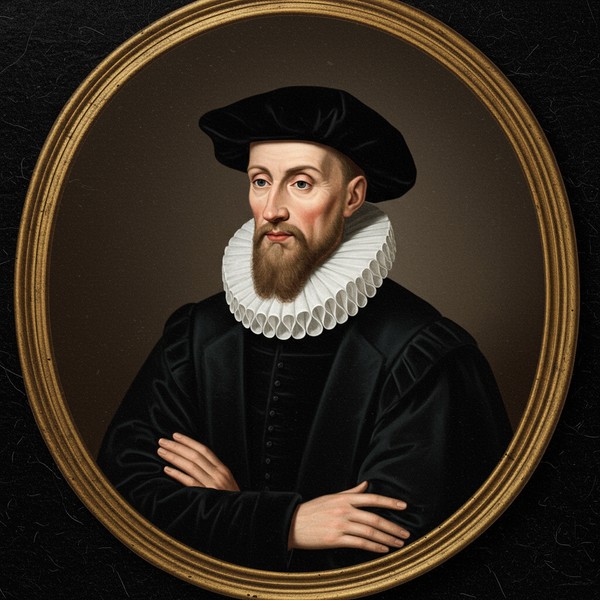
Jakob Böhme
Jakob Böhme
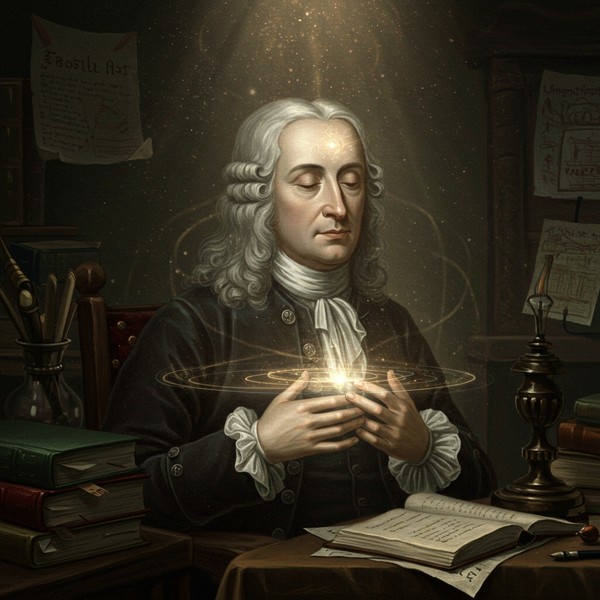
Emanuel Swedenborg
Emanuel Swedenborg
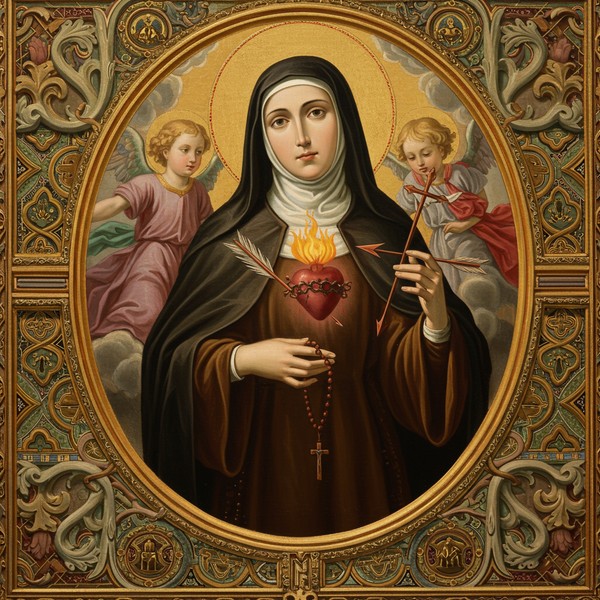
Teresa of Ávila
Teresa of Ávila