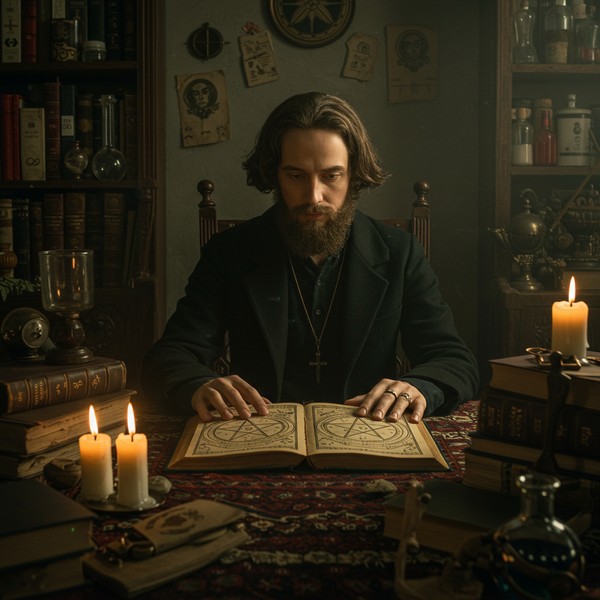
Explorers of hidden knowledge and mystical arts
The roots of occultism are as old as civilization itself, intertwined with the earliest forms of magic, divination, and ritual. In ancient Egypt, the priests of Thoth were masters of sacred magic, while the Chaldeans of Babylon were renowned for their astrological knowledge. The grimoires, or books of magic, that emerged in the ancient world, such as the Testament of Solomon, laid the groundwork for a tradition of ceremonial magic that would be passed down through the centuries.
The Renaissance saw a resurgence of interest in occultism, as scholars like Marsilio Ficino and Pico della Mirandola sought to synthesize Christianity with Hermeticism and Kabbalah. Figures like John Dee, court astrologer to Queen Elizabeth I, and the legendary alchemist Nicolas Flamel, became icons of the occult arts. However, the rise of the scientific worldview and the persecution of the witch trials drove occultism underground, where it survived in secret societies and hidden traditions.
The 19th century witnessed a major revival of occultism, with the rise of movements like Spiritualism, Theosophy, and the Hermetic Order of the Golden Dawn. Figures like Eliphas Levi, Helena Blavatsky, and Aleister Crowley systematized and modernized occult traditions, creating new and influential schools of thought. In the 20th and 21st centuries, occultism has continued to diversify, with the emergence of Wicca, Chaos Magic, and various forms of neopaganism. The occult remains a vibrant and controversial field, a testament to the enduring human fascination with the hidden and the unknown.
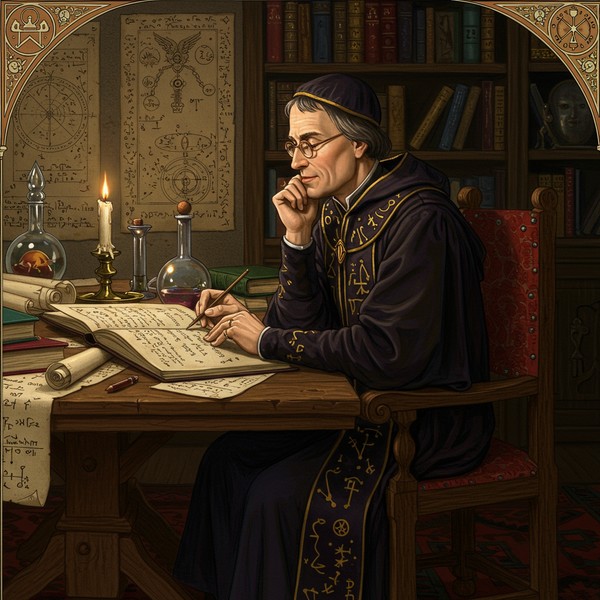
Cornelius Agrippa
Cornelius Agrippa
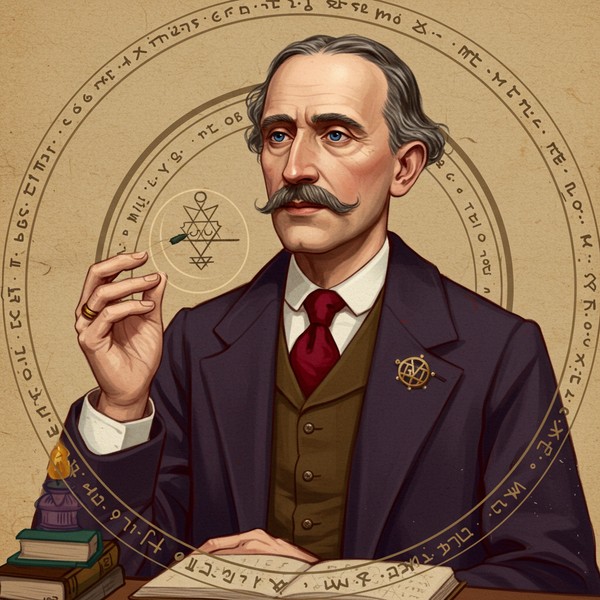
Israel Regardie
Israel Regardie
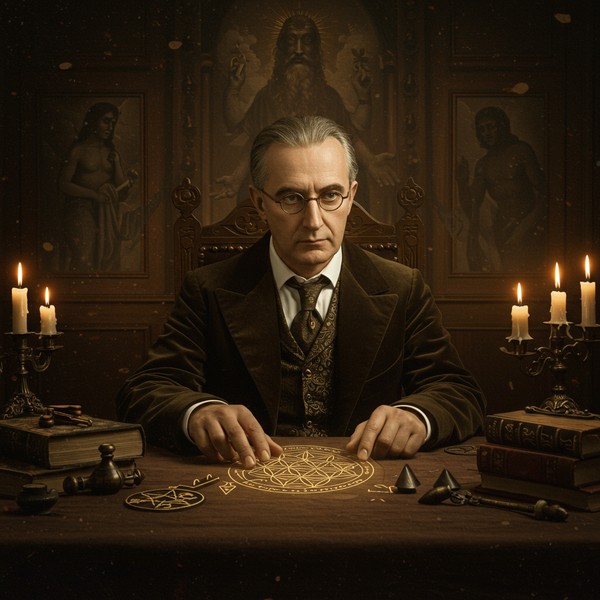
A. E. Waite
A. E. Waite
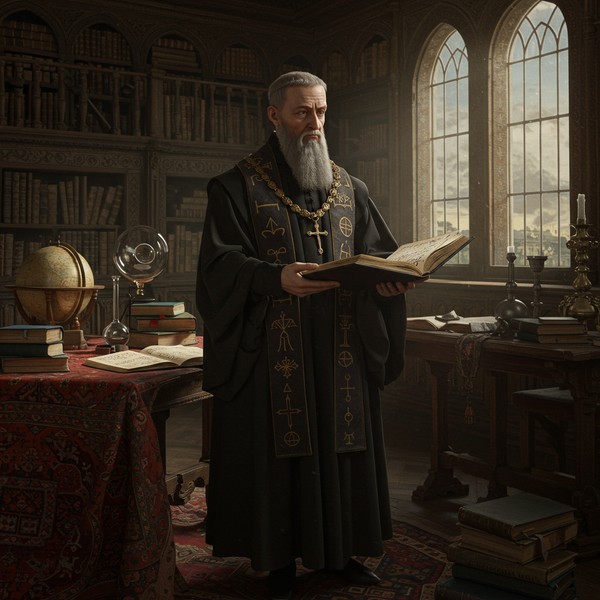
Paracelsus
Paracelsus
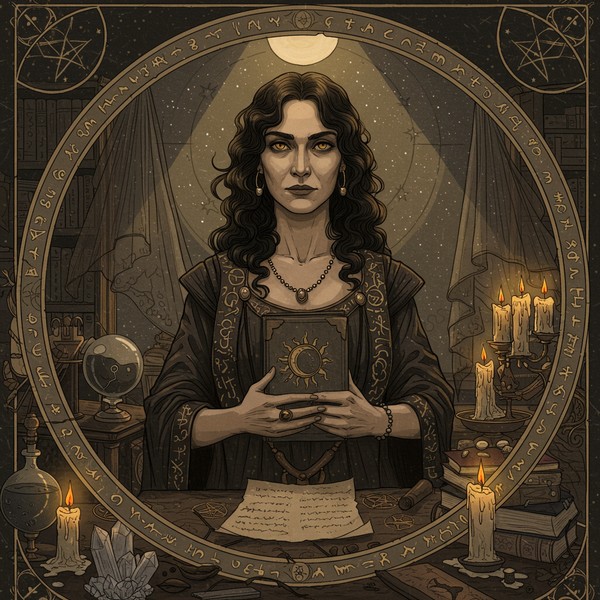
Dion Fortune
Dion Fortune
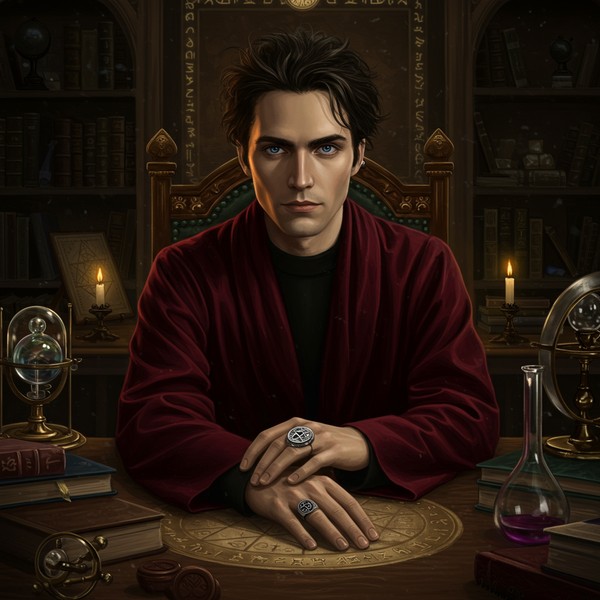
Jack Parsons
Jack Parsons
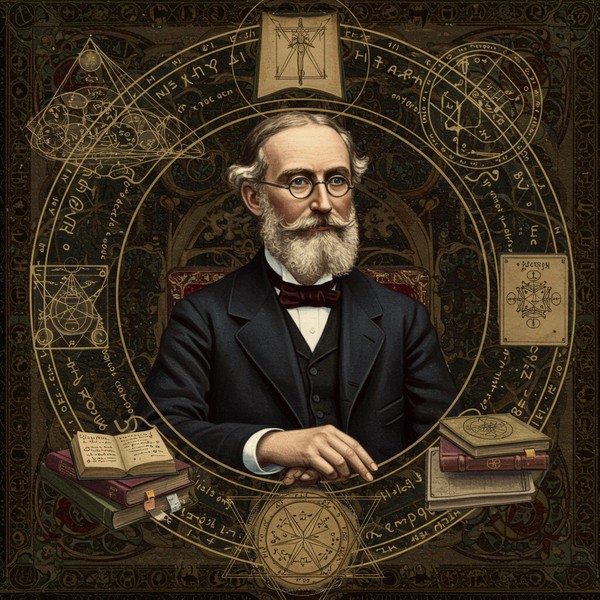
Papus (Gérard Encausse)
Papus (Gérard Encausse)
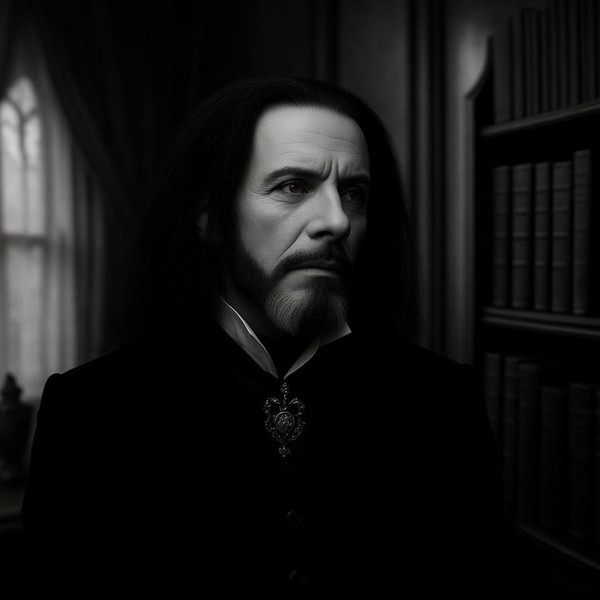
Anton Szandor LaVey
Anton Szandor LaVey
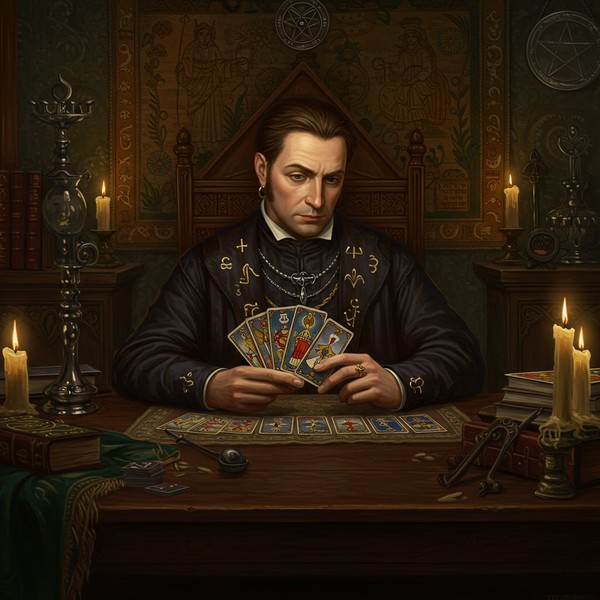
Samuel Liddell MacGregor Mathers
Samuel Liddell MacGregor Mathers
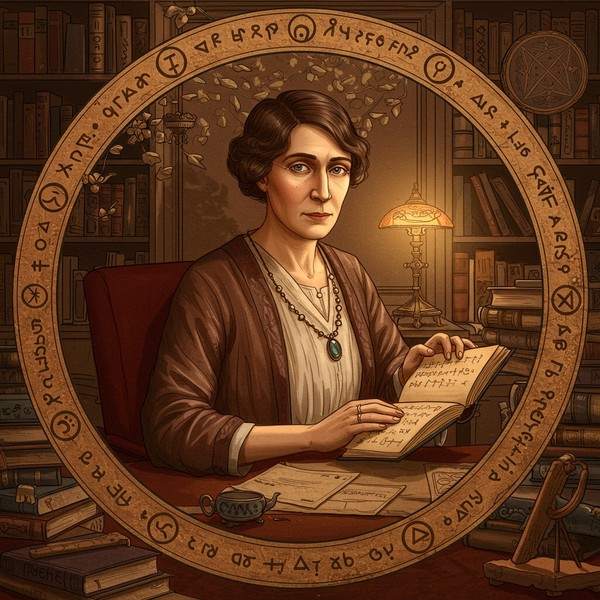
Marie-Louise von Franz
Marie-Louise von Franz
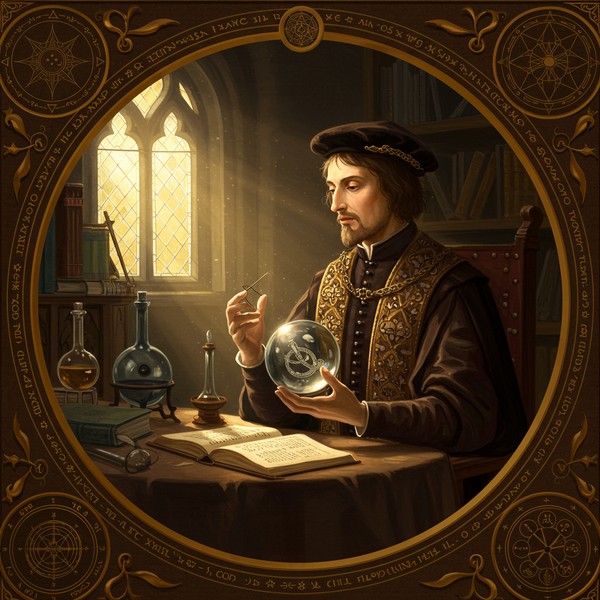
John Dee
John Dee
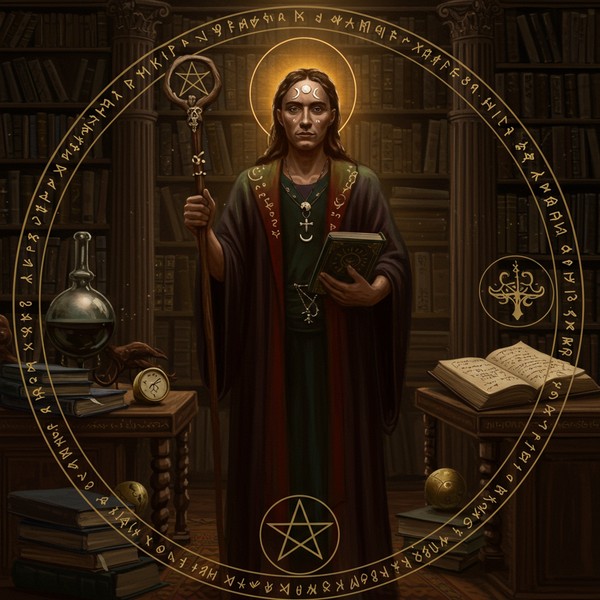
Aleister Crowley
Aleister Crowley