Great thinkers who shaped human understanding
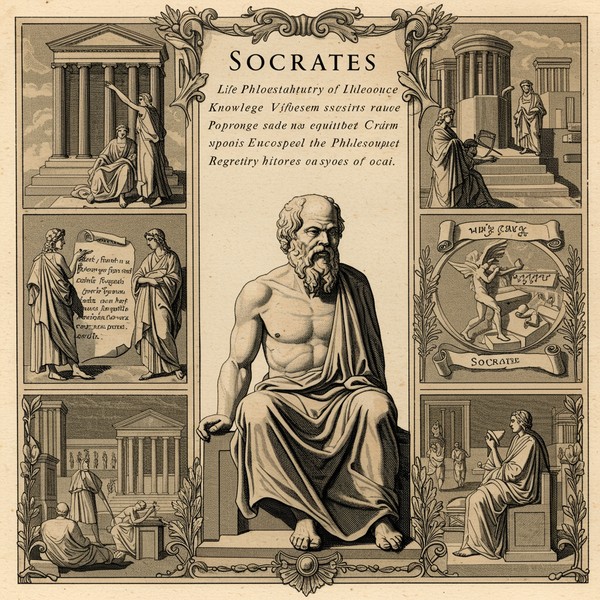
The birth of philosophy can be traced to ancient Greece in the 6th century BCE, with the pre-Socratic thinkers who first sought to explain the world in terms of natural laws rather than myths. Figures like Thales, Anaximander, and Heraclitus laid the groundwork for a rational inquiry into the nature of the cosmos. However, it was Socrates, with his method of questioning and his focus on ethics, who truly defined the philosophical enterprise. His student, Plato, and Plato's student, Aristotle, created vast philosophical systems that would influence Western thought for over two millennia.
The medieval period saw the synthesis of Greek philosophy with Christian, Islamic, and Jewish theology. Thinkers like Augustine, Avicenna, and Maimonides grappled with questions of faith and reason, creating a rich and complex philosophical tradition. The Renaissance and the Enlightenment brought a renewed focus on humanism, reason, and individualism. Philosophers like Descartes, Spinoza, and Locke laid the foundations for modern philosophy, with their inquiries into the nature of knowledge, mind, and government.
The 19th and 20th centuries were a period of profound philosophical innovation, with the rise of movements like German idealism, existentialism, and analytic philosophy. Thinkers like Kant, Hegel, Nietzsche, Wittgenstein, and Sartre challenged traditional assumptions and pushed the boundaries of philosophical inquiry. Today, philosophy is a vibrant and diverse field, engaging with everything from the ethics of artificial intelligence to the nature of consciousness. The philosophical quest for understanding continues, as relevant and urgent as ever.

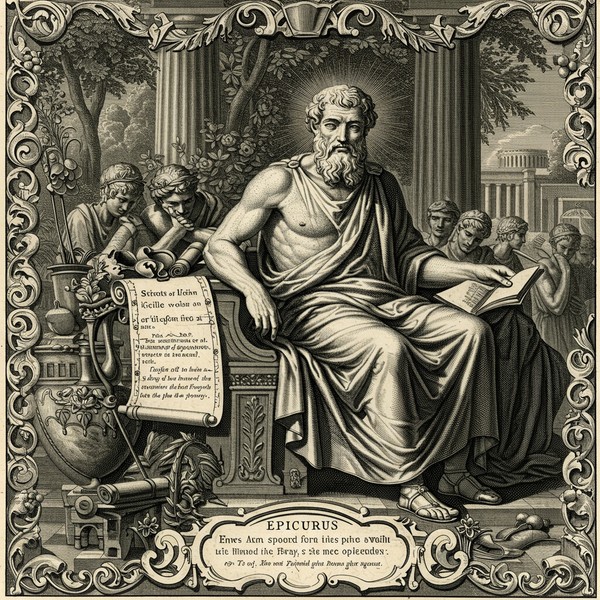
Epicurus
Epicurus
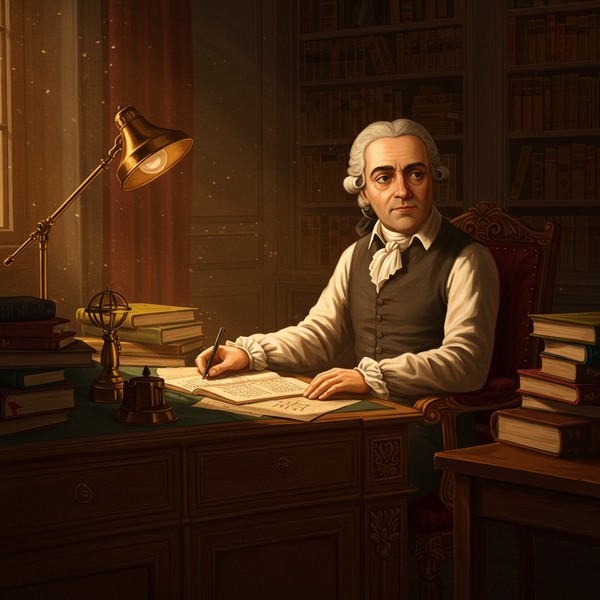
Denis Diderot
Denis Diderot
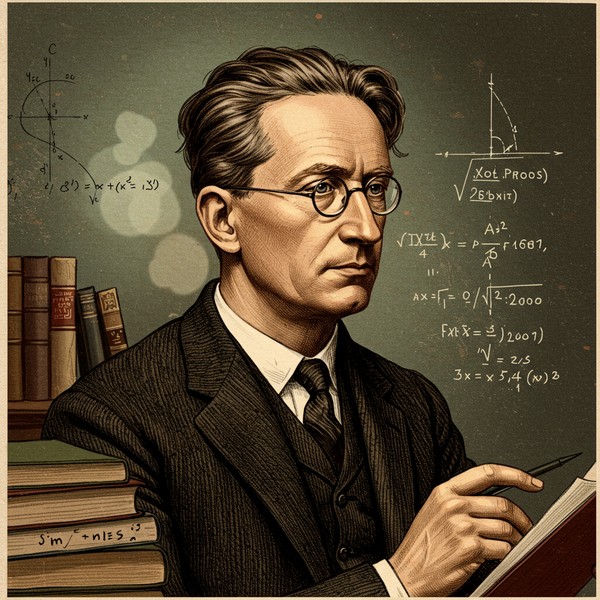
Ludwig Wittgenstein
Ludwig Wittgenstein
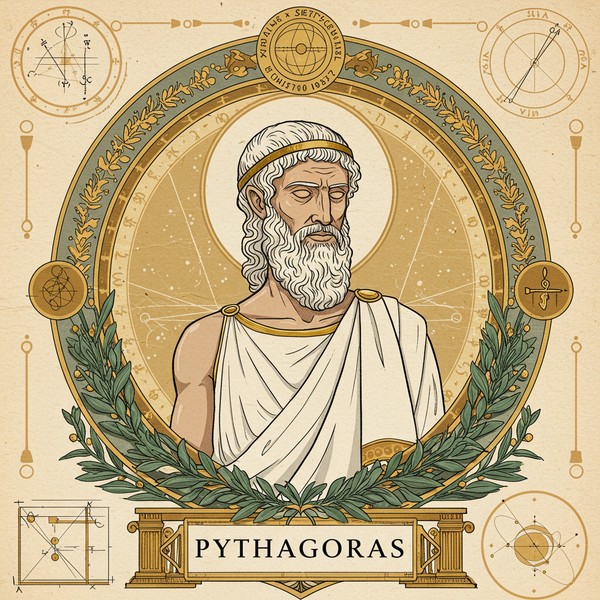
Pythagoras
Pythagoras
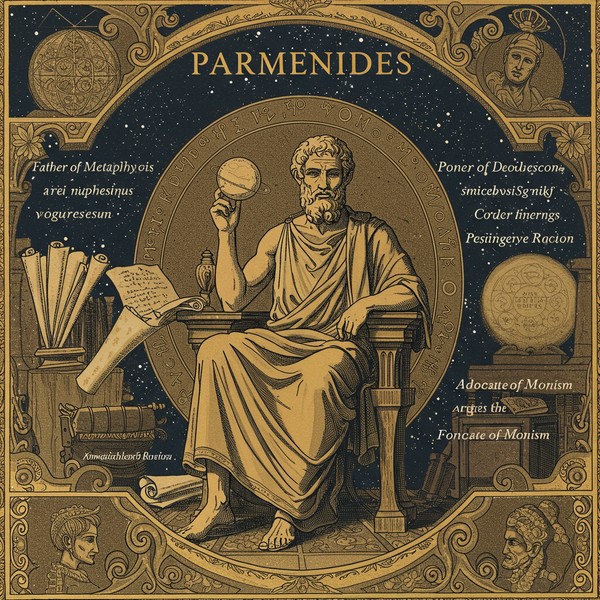
Parmenides
Parmenides
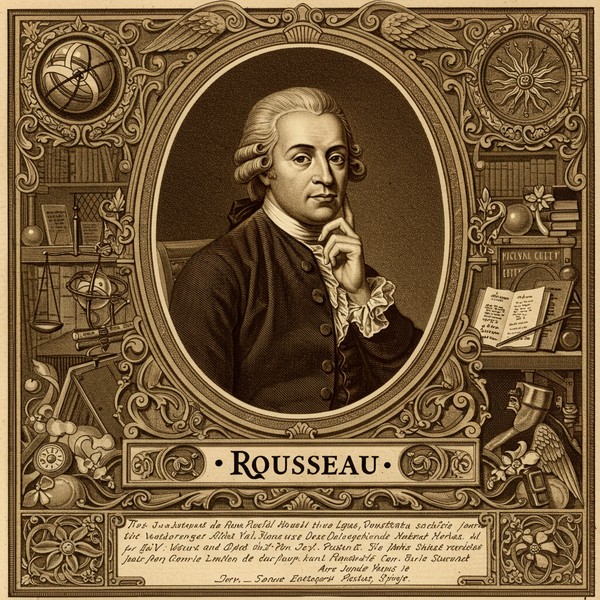
Jean-Jacques Rousseau
Jean-Jacques Rousseau
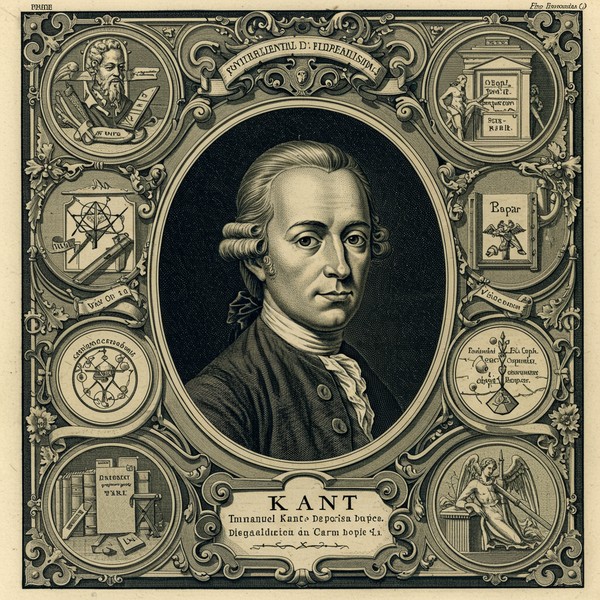
Immanuel Kant
Immanuel Kant
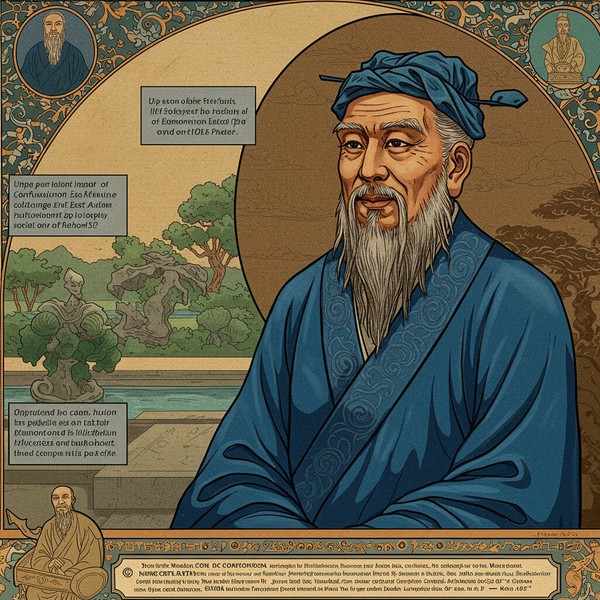
Confucius
Confucius
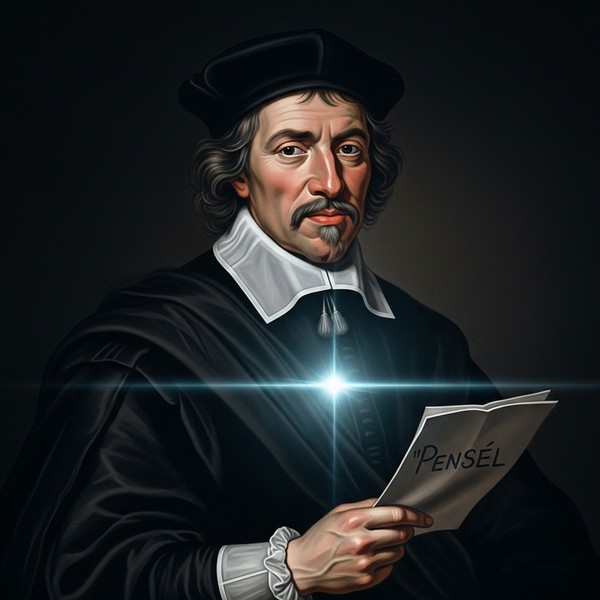
Blaise Pascal
Blaise Pascal
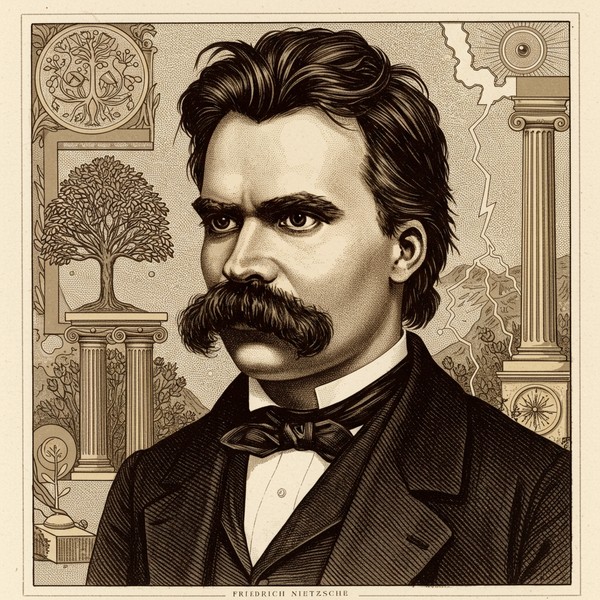
Friedrich Nietzsche
Friedrich Nietzsche
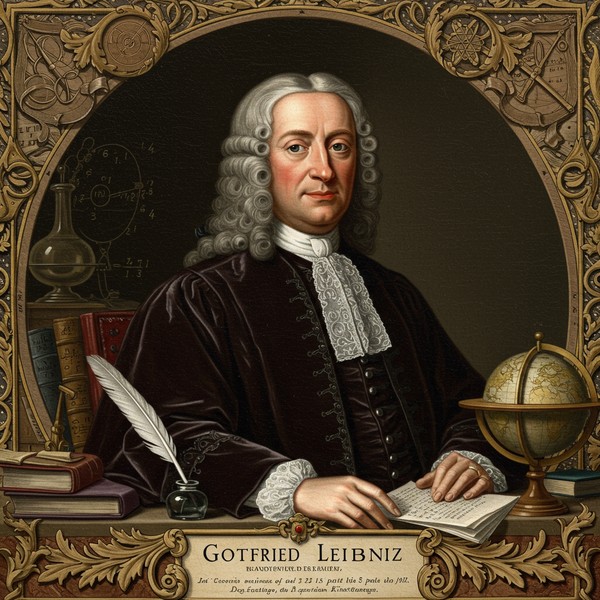
Gottfried Leibniz
Gottfried Leibniz
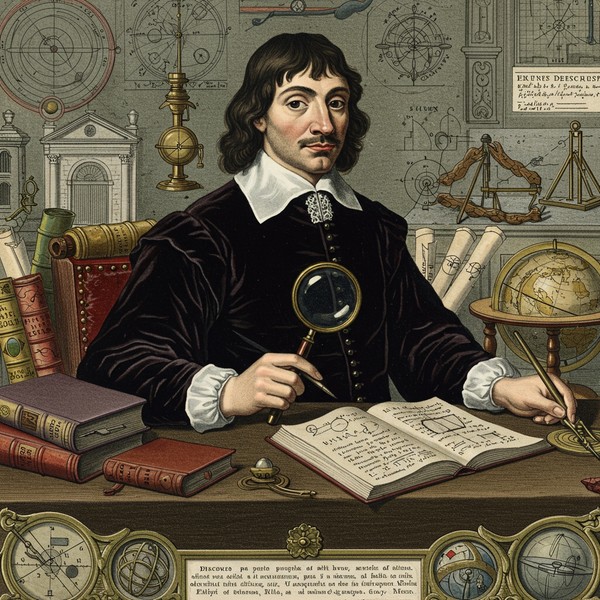
René Descartes
René Descartes

Slavoj Žižek
Slavoj Žižek
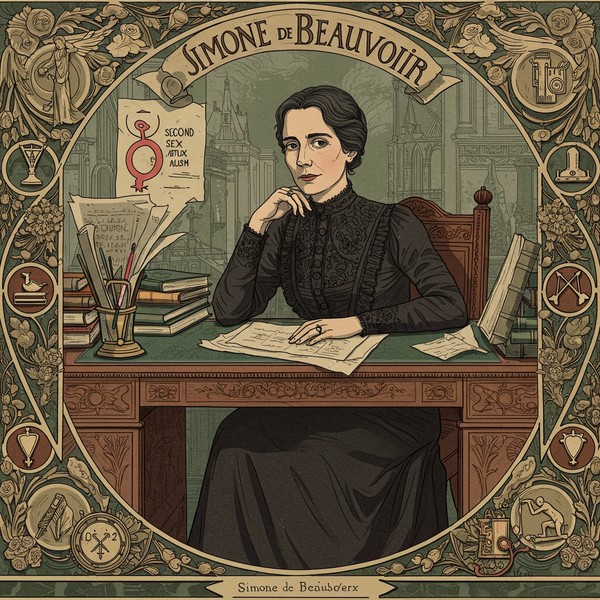
Simone de Beauvoir
Simone de Beauvoir
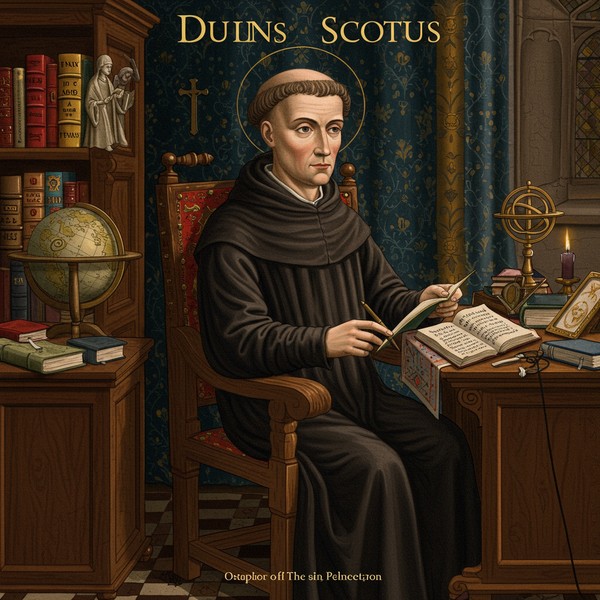
Duns Scotus
Duns Scotus
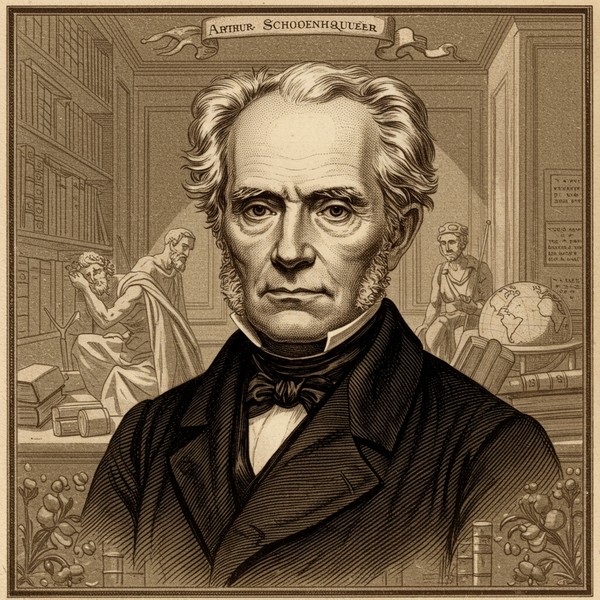
Arthur Schopenhauer
Arthur Schopenhauer
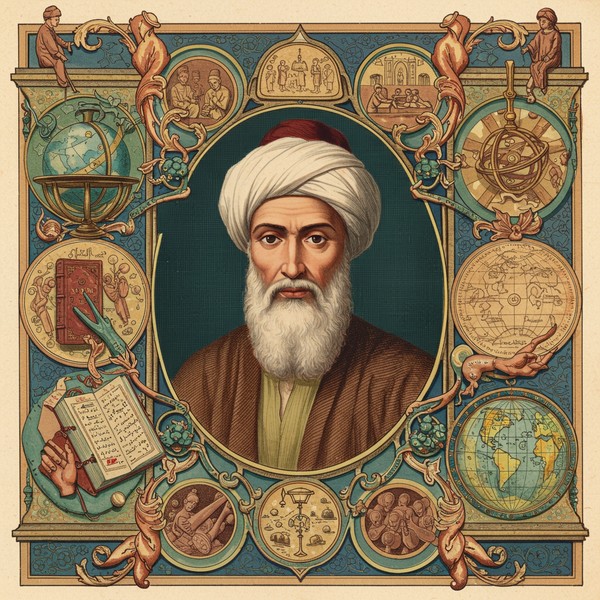
Ibn Sina (Avicenna)
Ibn Sina (Avicenna)
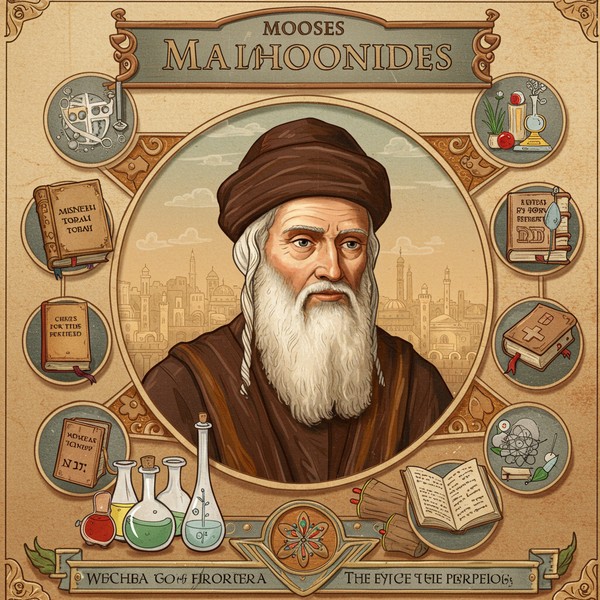
Moses Maimonides
Moses Maimonides
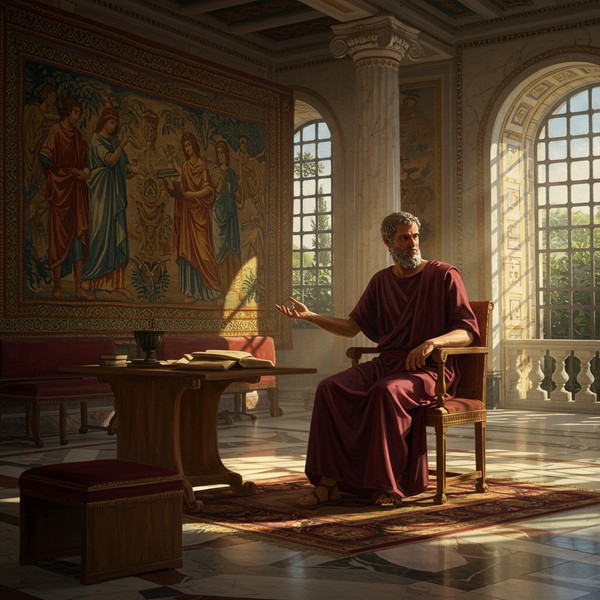
Plotinus
Plotinus

Martin Heidegger
Martin Heidegger

Siddhartha Gautama (Buddha)
Siddhartha Gautama (Buddha)
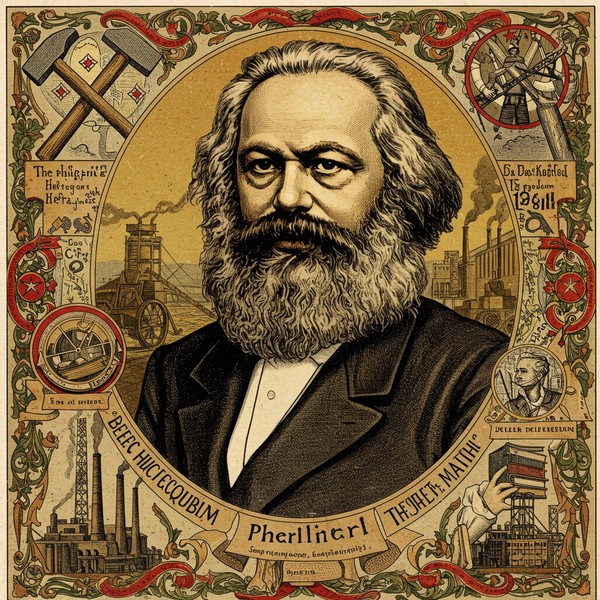
Karl Marx
Karl Marx
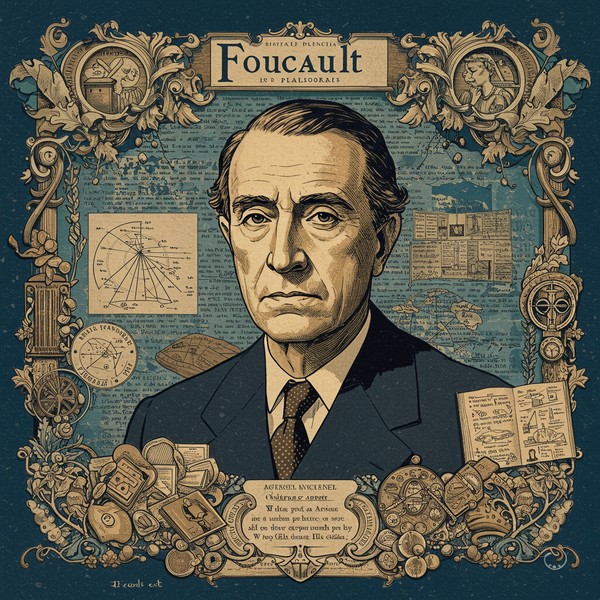
Michel Foucault
Michel Foucault
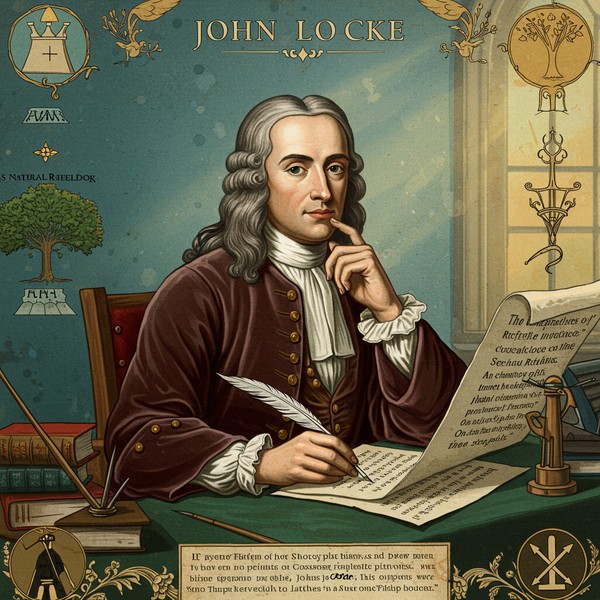
John Locke
John Locke
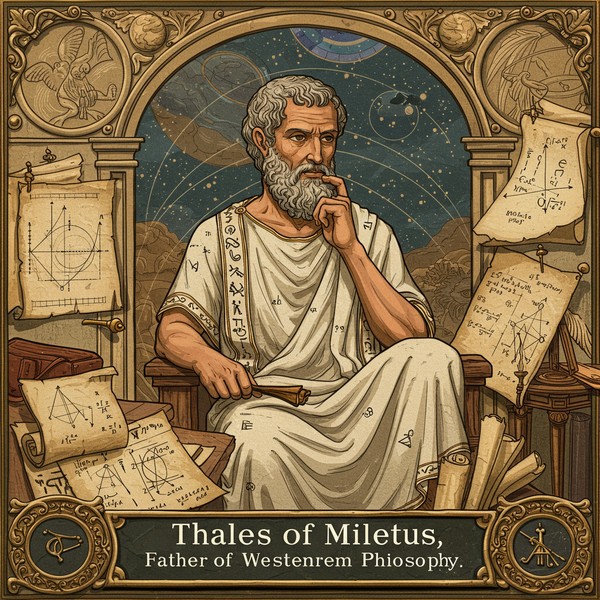
Thales of Miletus
Thales of Miletus
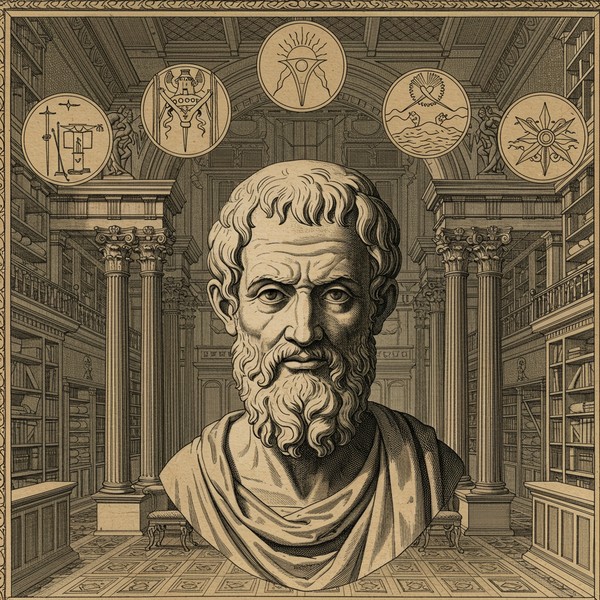
Zeno of Citium
Zeno of Citium
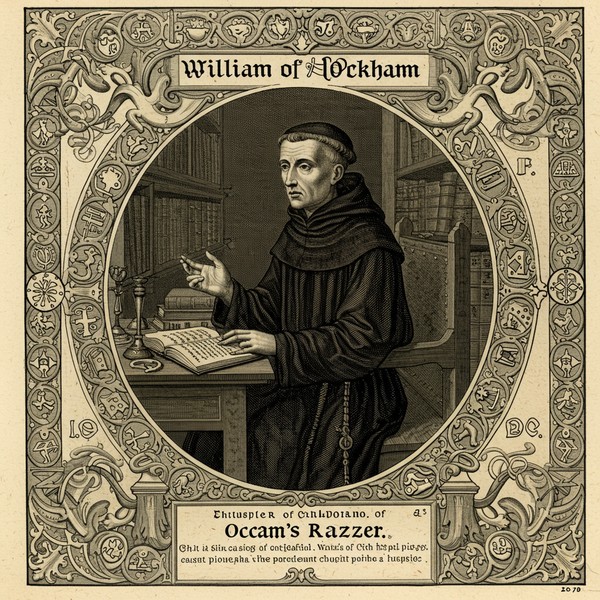
William of Ockham
William of Ockham
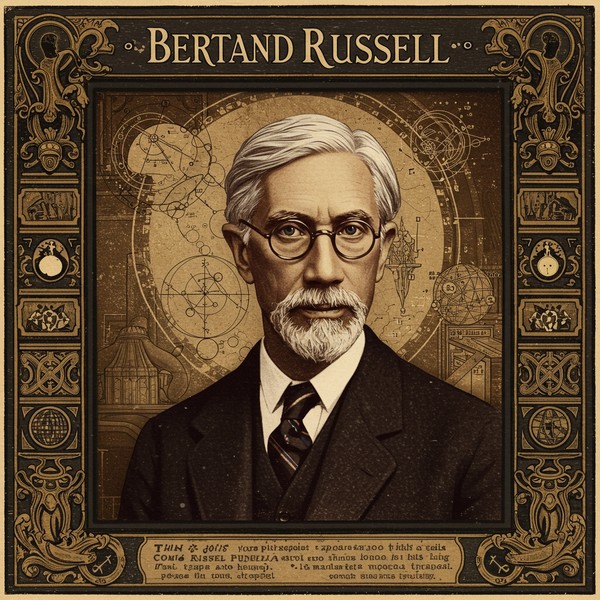
Bertrand Russell
Bertrand Russell
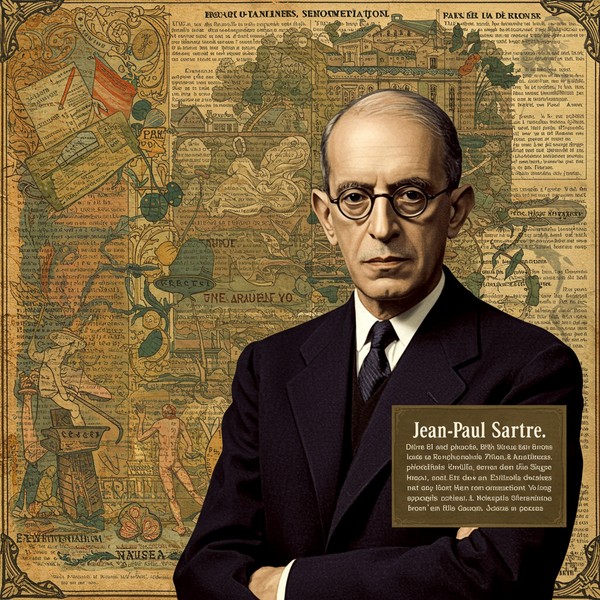
Jean-Paul Sartre
Jean-Paul Sartre
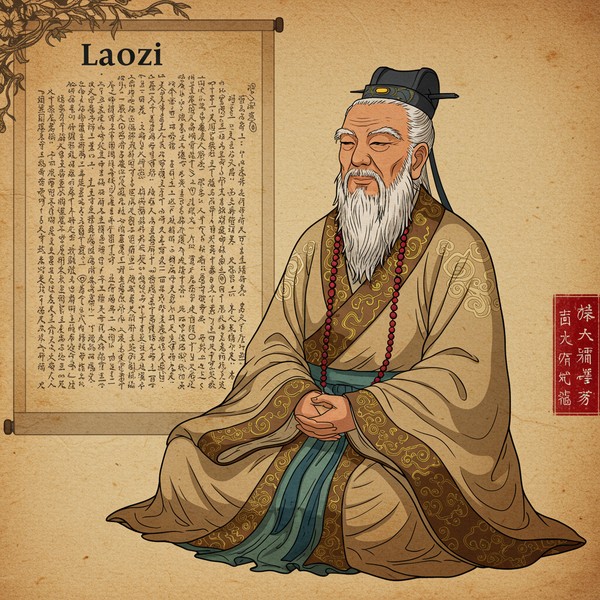
Laozi
Laozi
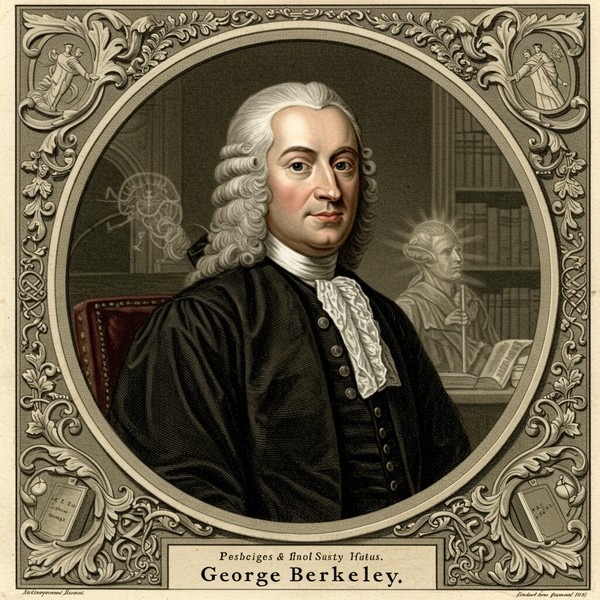
George Berkeley
George Berkeley
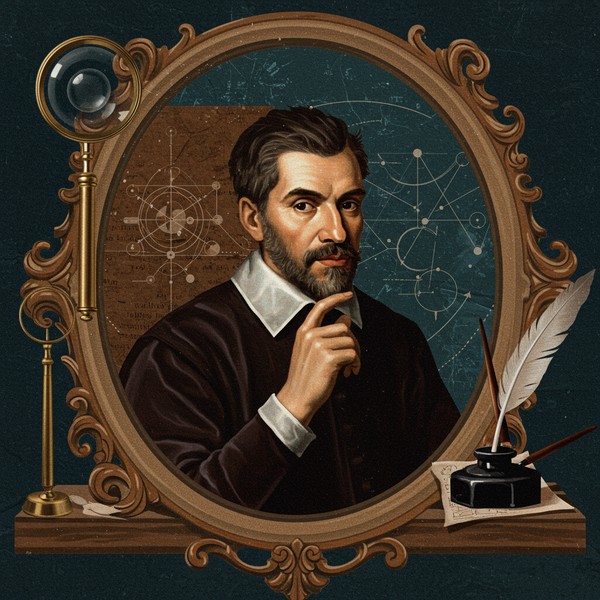
Baruch Spinoza
Baruch Spinoza
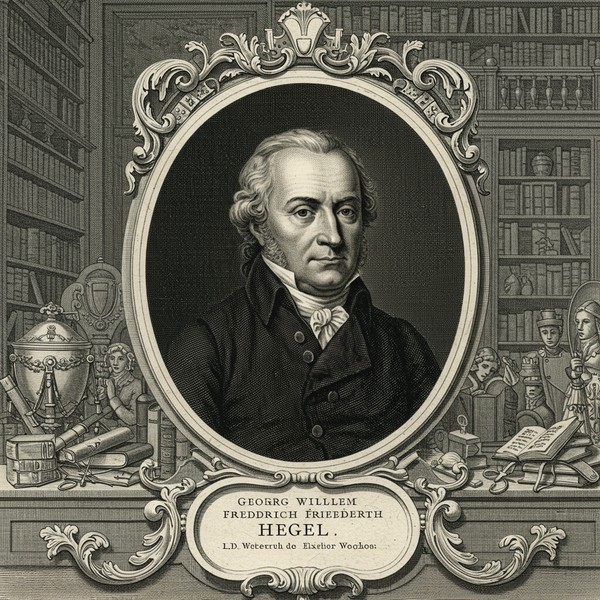
Georg Wilhelm Friedrich Hegel
Georg Wilhelm Friedrich Hegel
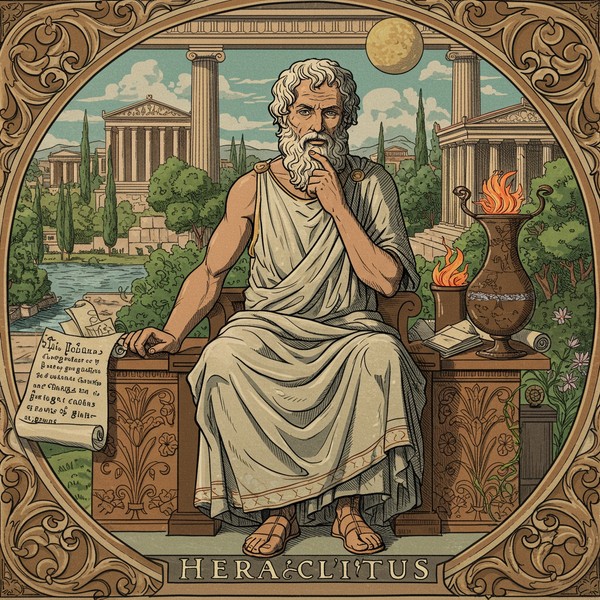
Heraclitus
Heraclitus
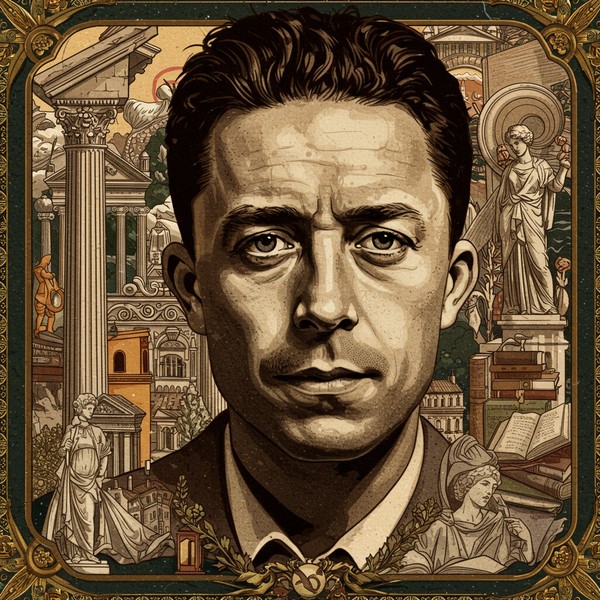
Albert Camus
Albert Camus
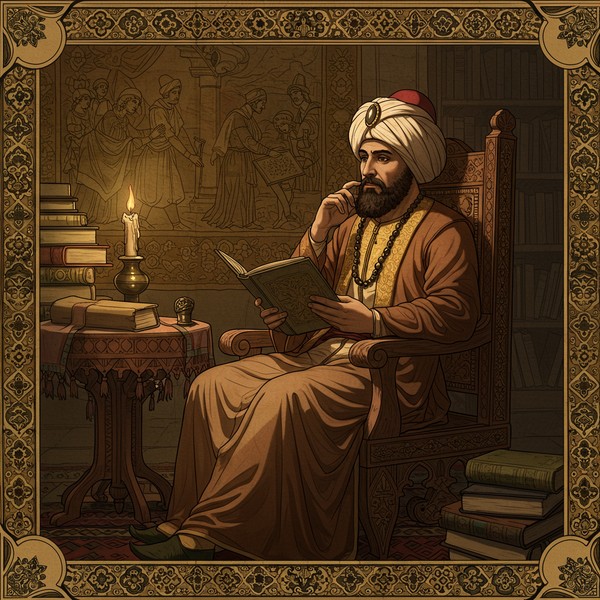
Ibn Rushd (Averroes)
Ibn Rushd (Averroes)
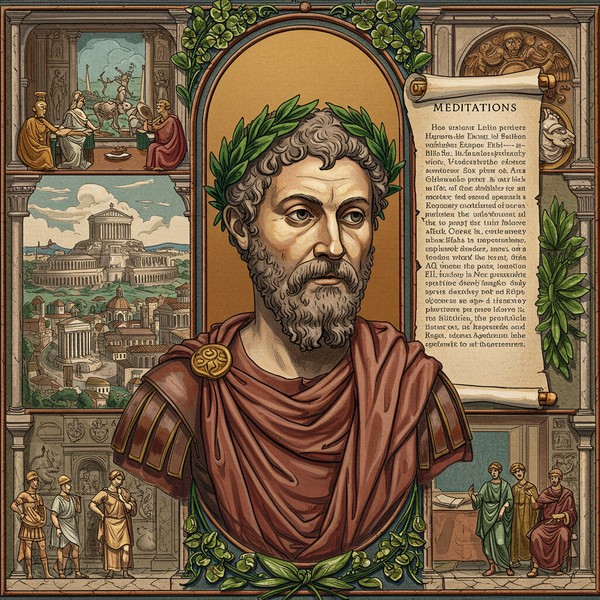
Marcus Aurelius
Marcus Aurelius
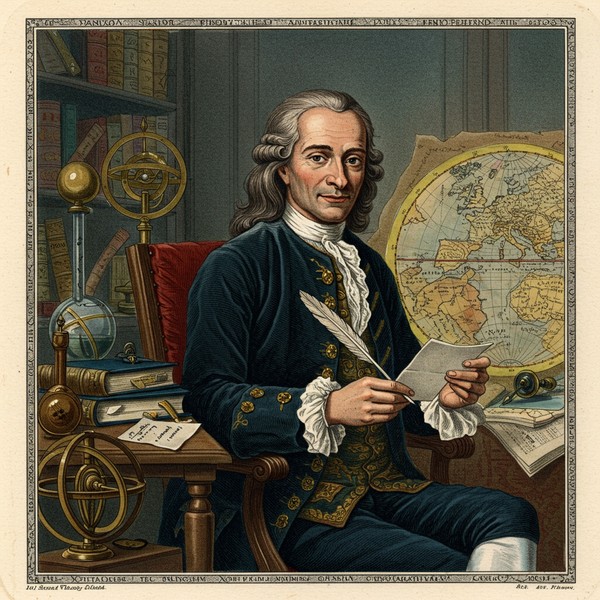
Voltaire
Voltaire
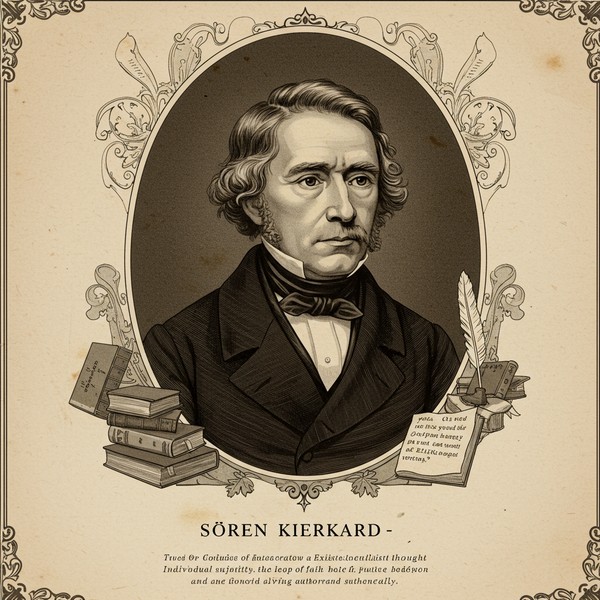
Søren Kierkegaard
Søren Kierkegaard
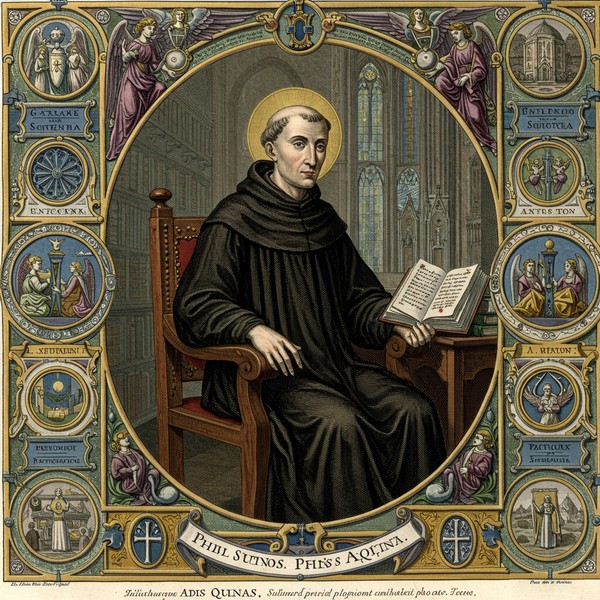
Thomas Aquinas
Thomas Aquinas
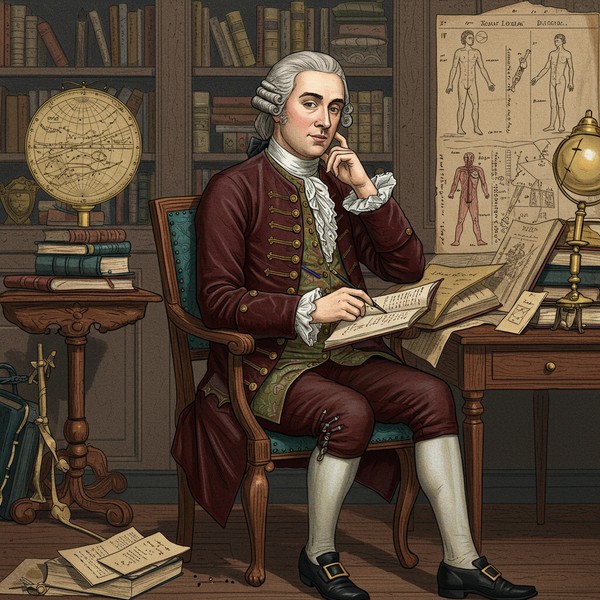
David Hume
David Hume
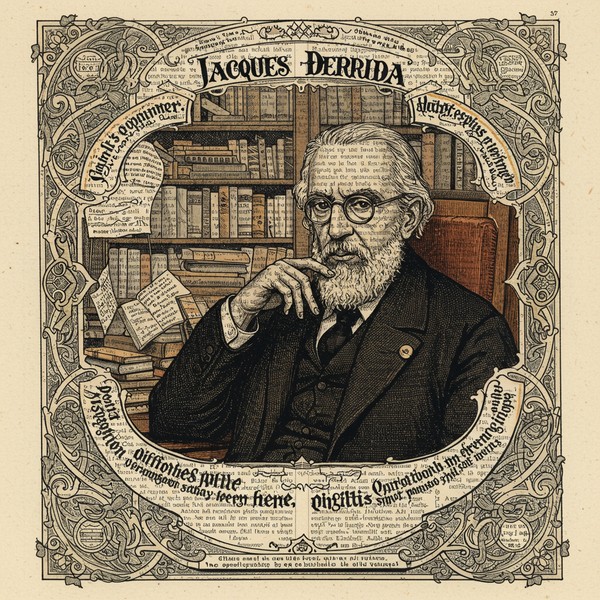
Jacques Derrida
Jacques Derrida
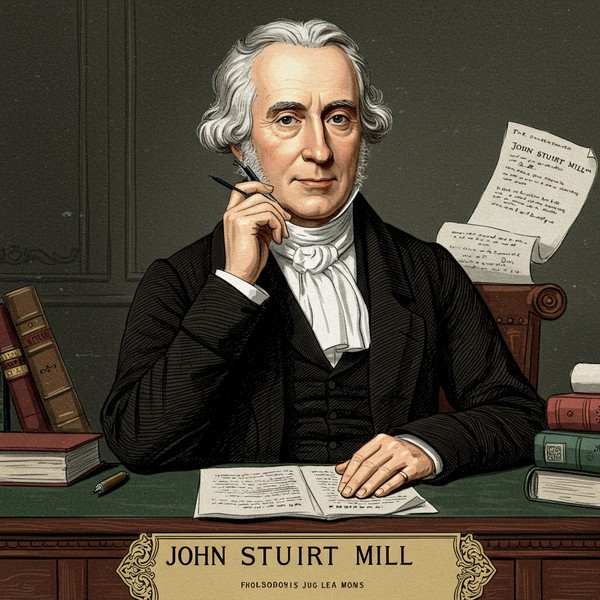
John Stuart Mill
John Stuart Mill
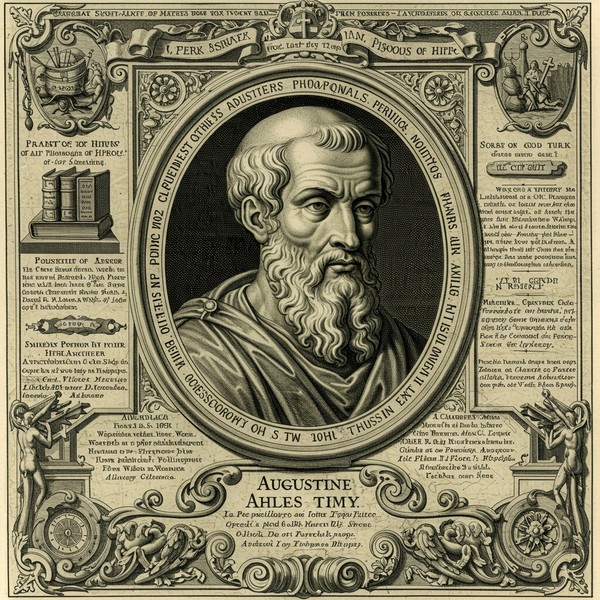
Augustine of Hippo
Augustine of Hippo
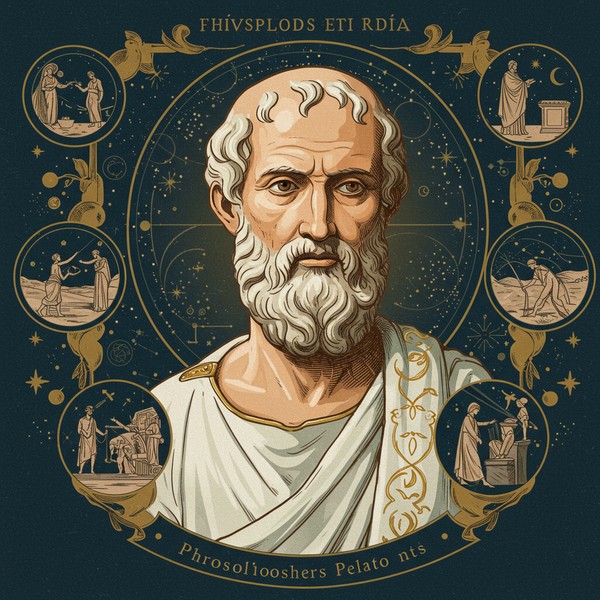
Plato
Plato
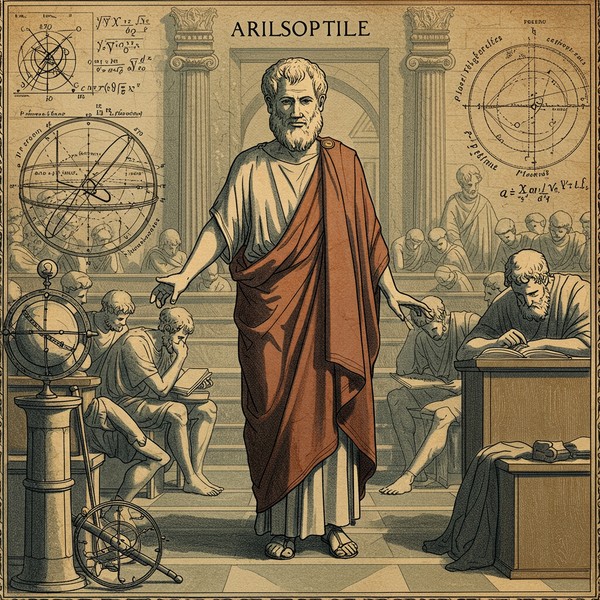
Aristotle
Aristotle