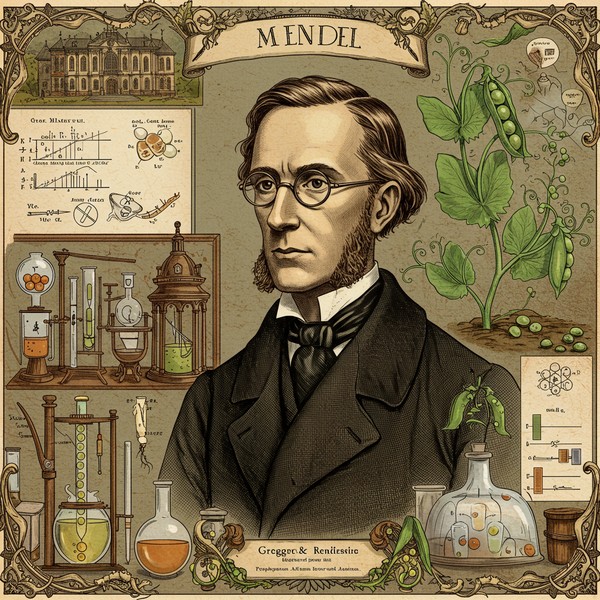
Pioneers who unlocked the secrets of nature
The scientific impulse, the desire to understand the world through observation and reason, can be traced back to the ancient Greeks. Philosophers like Thales and Pythagoras made the first attempts to explain the world in terms of natural laws rather than myths. The development of mathematics and astronomy in the ancient world laid the foundations for a scientific approach to understanding the cosmos.
The Scientific Revolution of the 16th and 17th centuries was a pivotal moment in the history of science. Figures like Copernicus, Galileo, and Newton developed a new, heliocentric model of the solar system, discovered the laws of motion and gravity, and invented the calculus. This period established the scientific method, with its emphasis on empirical evidence, testable hypotheses, and mathematical rigor, as the dominant mode of inquiry into the natural world.
The 19th and 20th centuries were a period of explosive scientific progress. Darwin's theory of evolution, Einstein's theory of relativity, and the discovery of DNA revolutionized our understanding of life, space, and time. The development of quantum mechanics opened up the strange and wonderful world of the subatomic. Today, science is a global, collaborative enterprise, tackling some of the most profound questions about the universe and our place within it. The scientific adventure continues, as we push the frontiers of knowledge ever further.
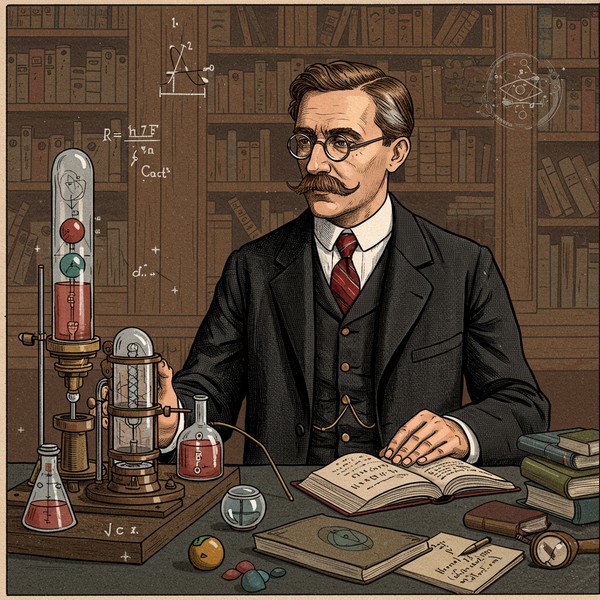
Erwin Schrödinger
Erwin Schrödinger
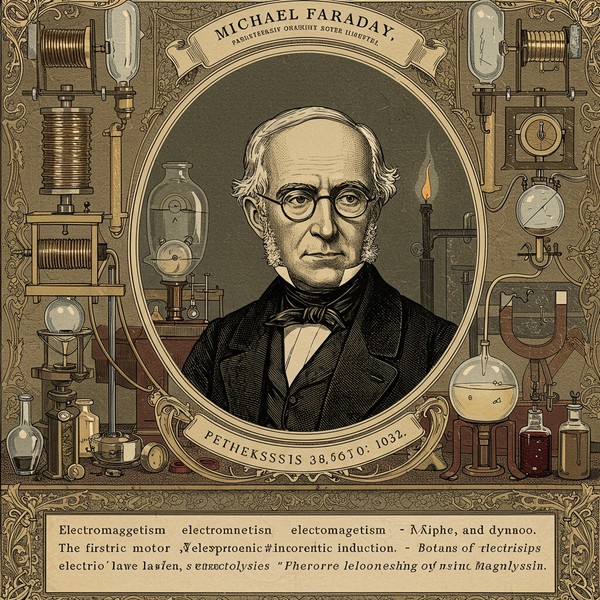
Michael Faraday
Michael Faraday
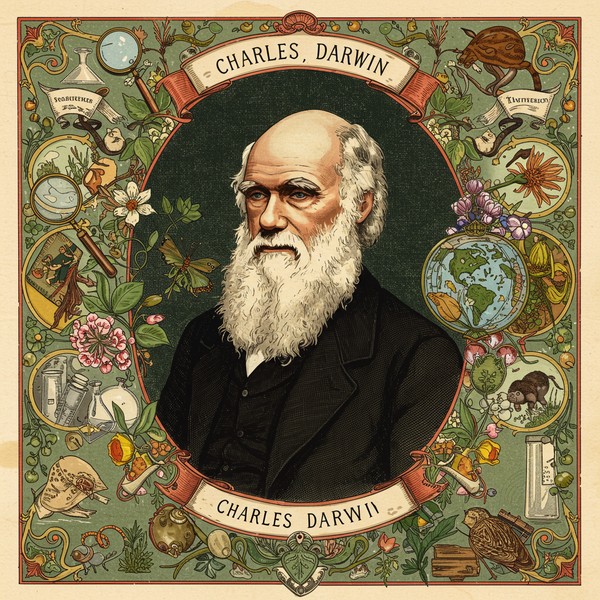
Charles Darwin
Charles Darwin
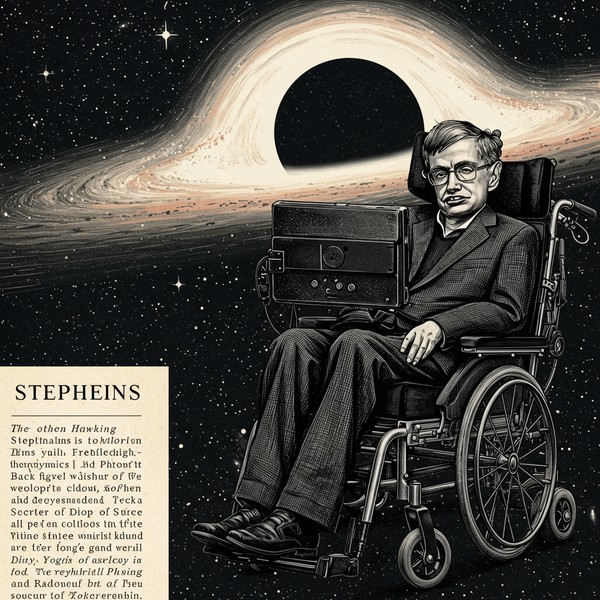
Stephen Hawking
Stephen Hawking
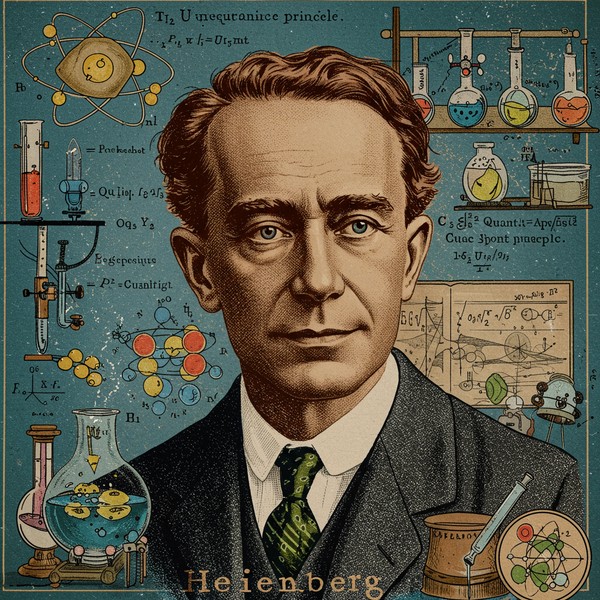
Werner Heisenberg
Werner Heisenberg
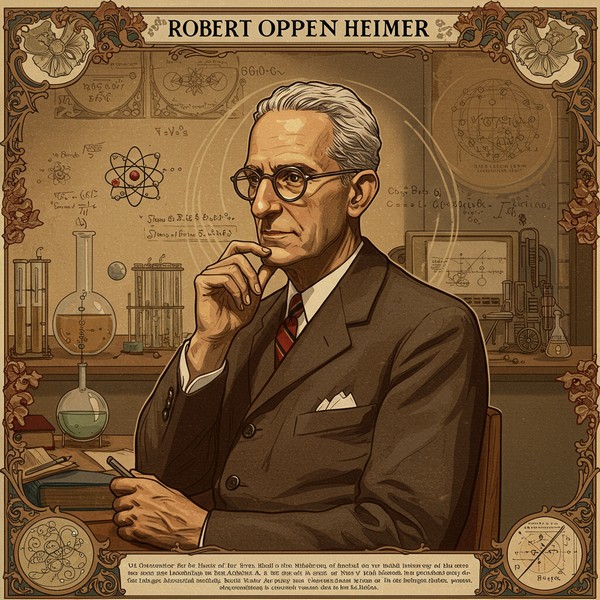
Robert Oppenheimer
Robert Oppenheimer
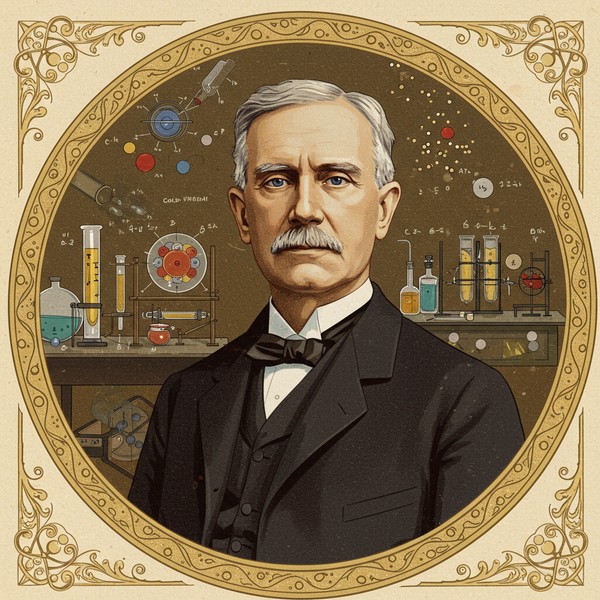
Ernest Rutherford
Ernest Rutherford
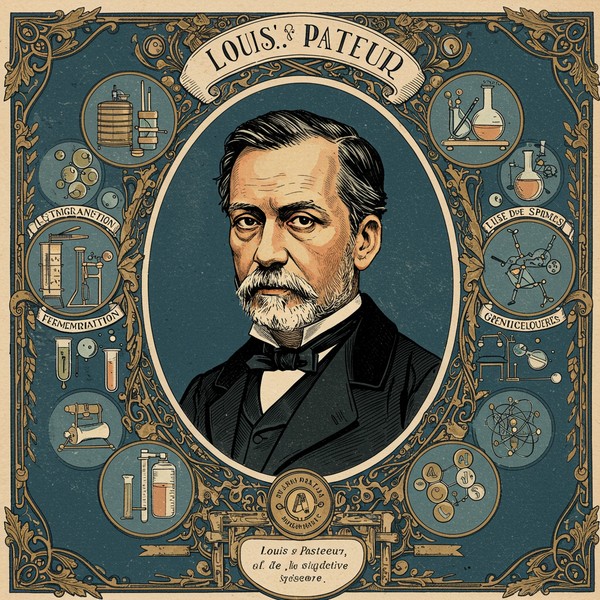
Louis Pasteur
Louis Pasteur
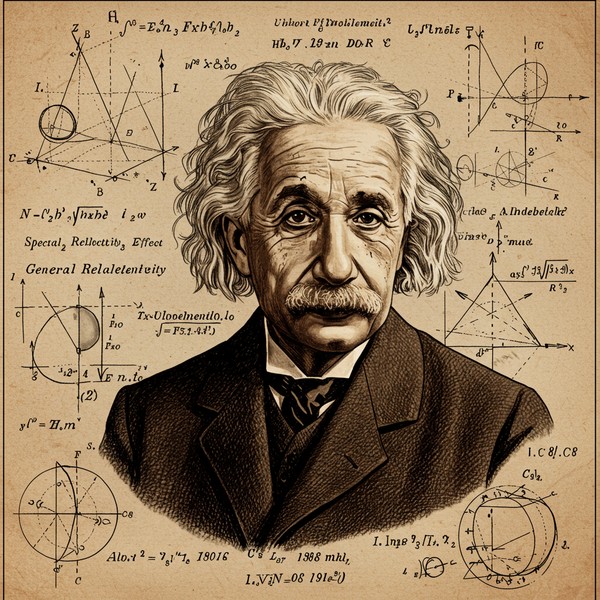
Albert Einstein
Albert Einstein
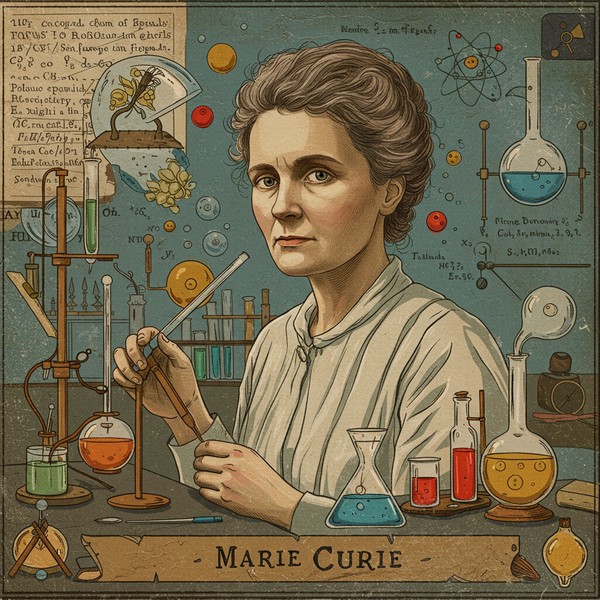
Marie Curie
Marie Curie
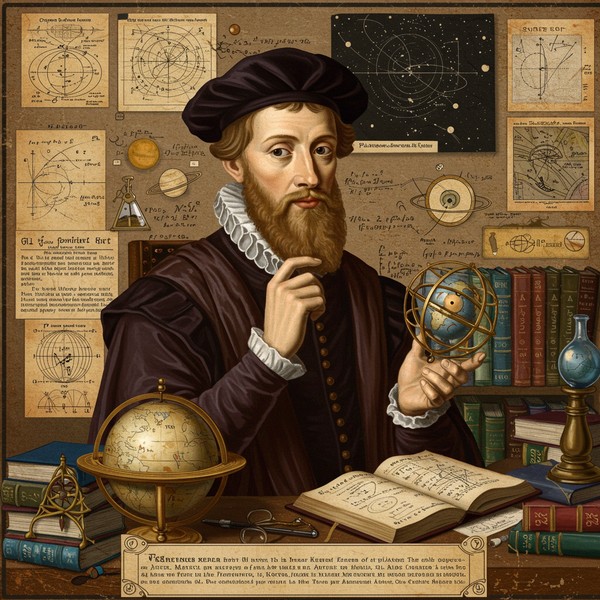
Johannes Kepler
Johannes Kepler
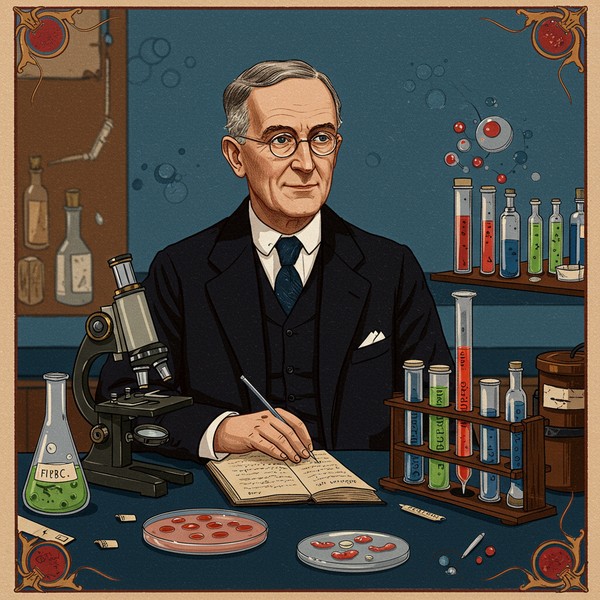
Alexander Fleming
Alexander Fleming
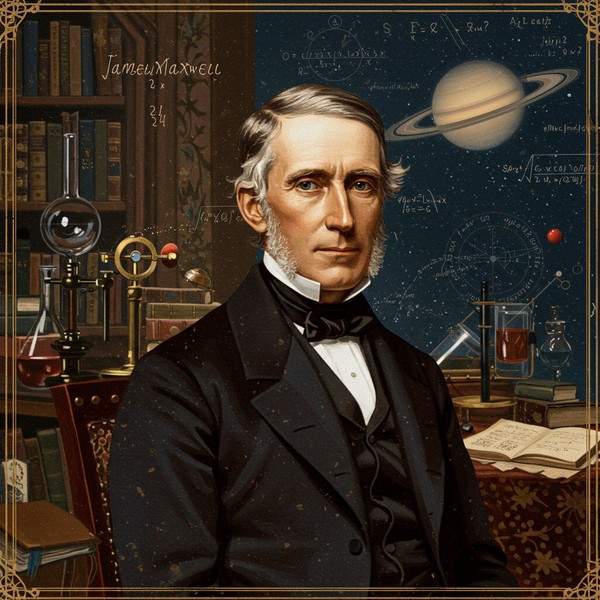
James Clerk Maxwell
James Clerk Maxwell
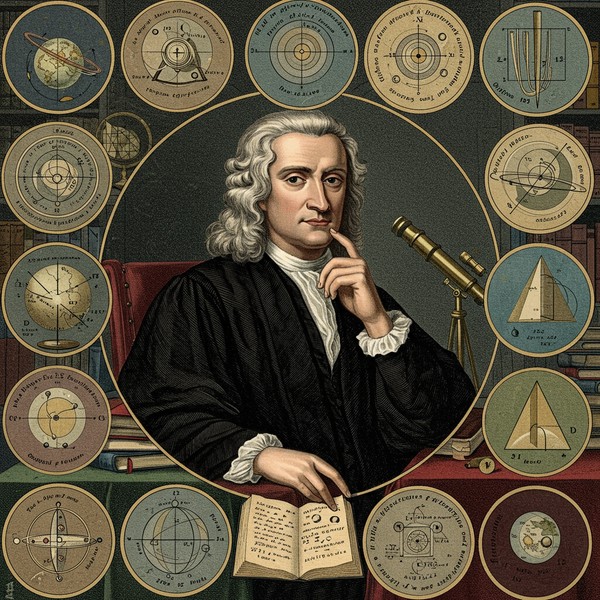
Isaac Newton
Isaac Newton
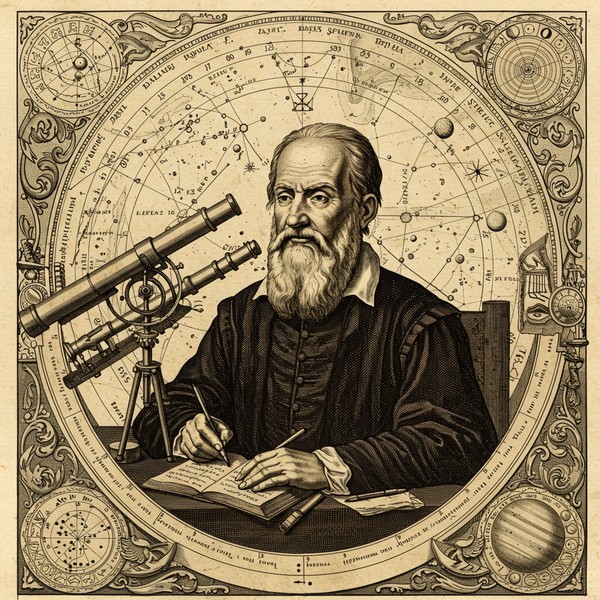
Galileo Galilei
Galileo Galilei
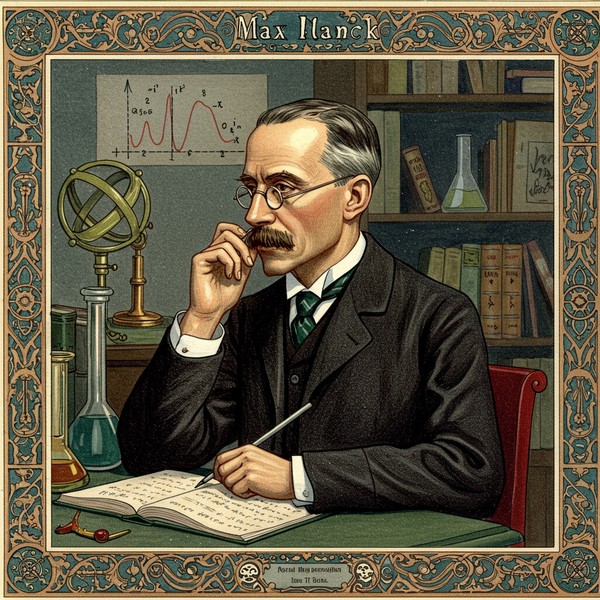
Max Planck
Max Planck
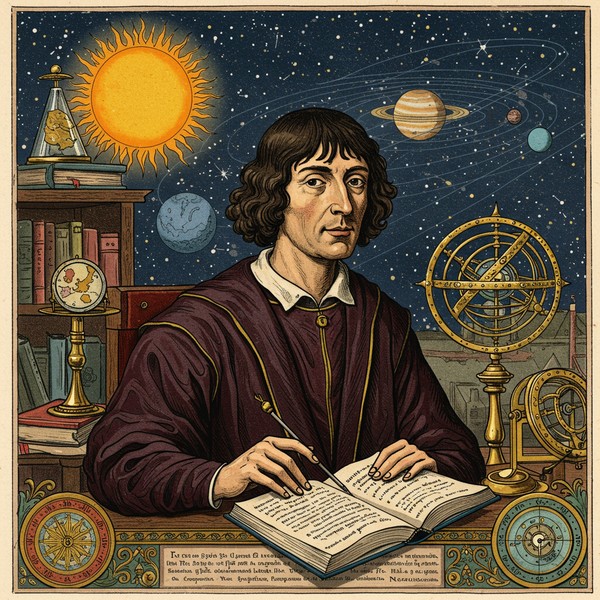
Nicolaus Copernicus
Nicolaus Copernicus
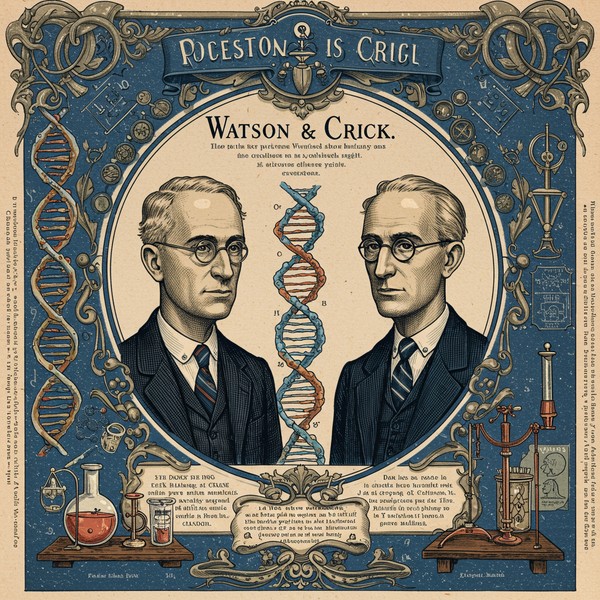
Watson & Crick
Watson & Crick
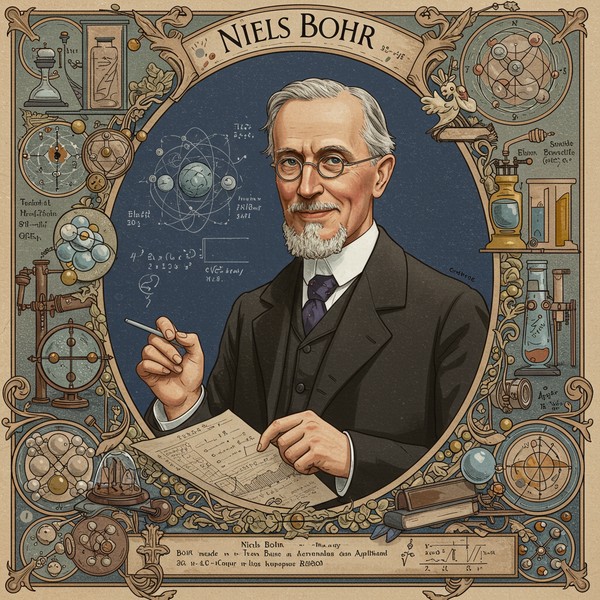
Niels Bohr
Niels Bohr