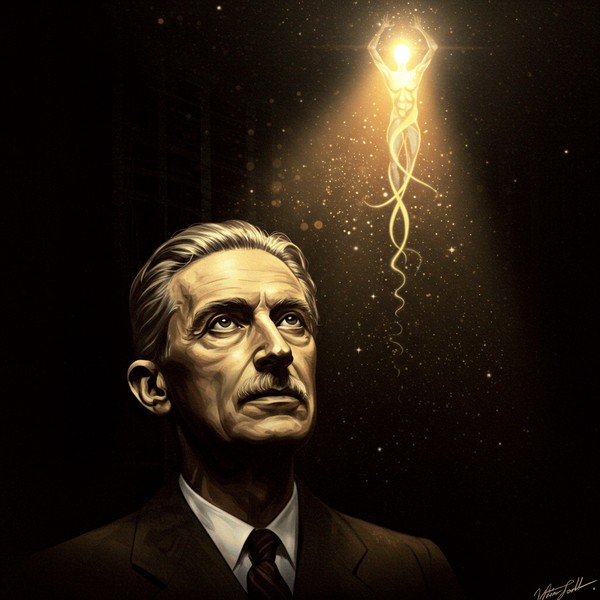
Pioneers of the human mind and behavior
Psychoanalysis was born at the end of the 19th century, a time of great scientific and cultural change. Sigmund Freud, a Viennese neurologist, developed a revolutionary new theory of the mind, proposing that our conscious thoughts and actions are driven by unconscious desires and conflicts. His methods of free association and dream interpretation opened up a new window into the inner world, and his ideas about the id, ego, and superego provided a new map of the psyche.
Freud's ideas were controversial, but they attracted a brilliant group of followers who would go on to develop their own schools of psychoanalytic thought. Carl Jung, a close collaborator of Freud, broke away to develop his theory of the collective unconscious and the archetypes. Others, like Alfred Adler, Melanie Klein, and Jacques Lacan, further expanded and revised psychoanalytic theory, creating a rich and diverse field of inquiry.
Psychoanalysis has had a profound influence on 20th and 21st century culture, shaping our understanding of art, literature, and film. It has also had a major impact on psychotherapy, with many different forms of therapy drawing on psychoanalytic ideas. Despite ongoing debates and controversies, psychoanalysis remains a powerful and influential tool for exploring the depths of the human mind and the enduring mystery of what it means to be a self.
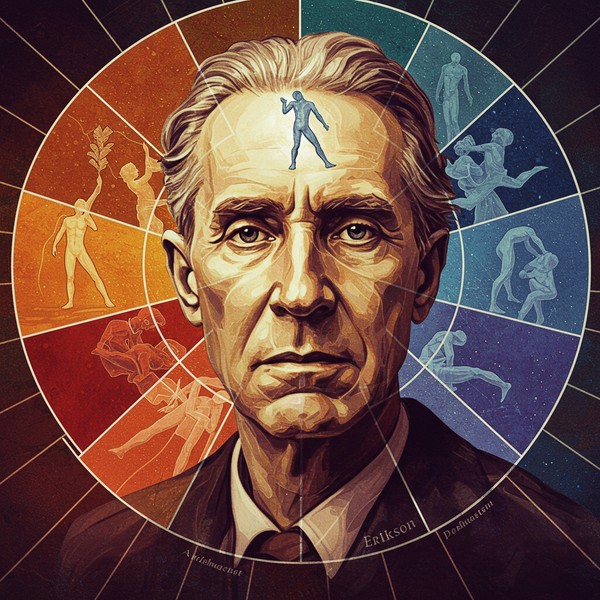
Erik Erikson
Erik Erikson
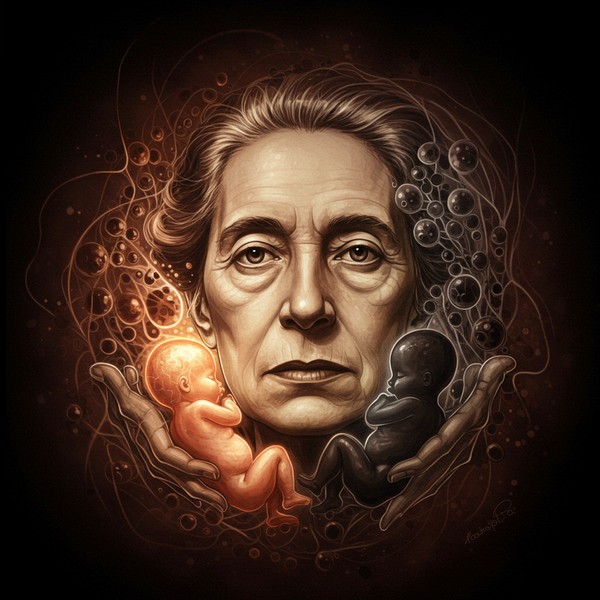
Melanie Klein
Melanie Klein
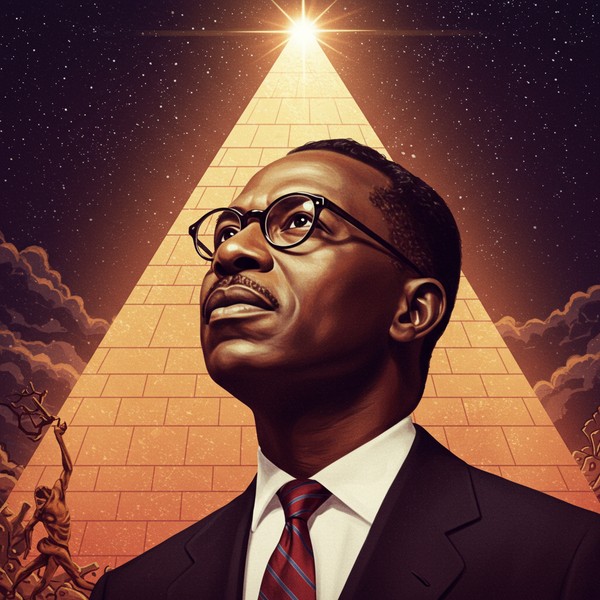
Abraham Maslow
Abraham Maslow
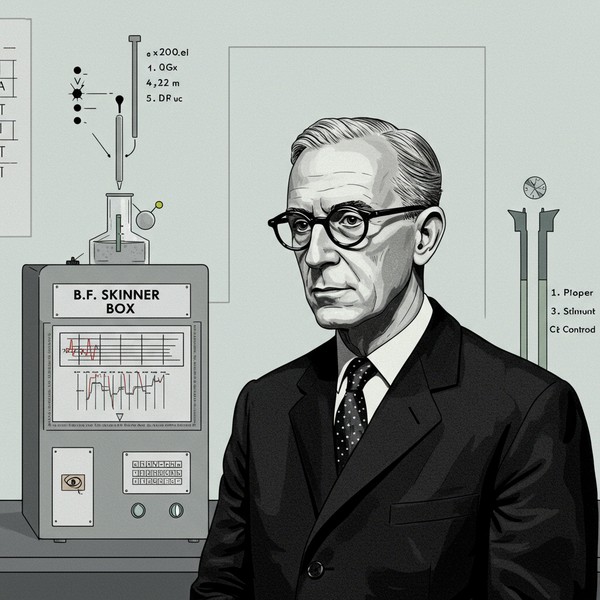
B.F. Skinner
B.F. Skinner
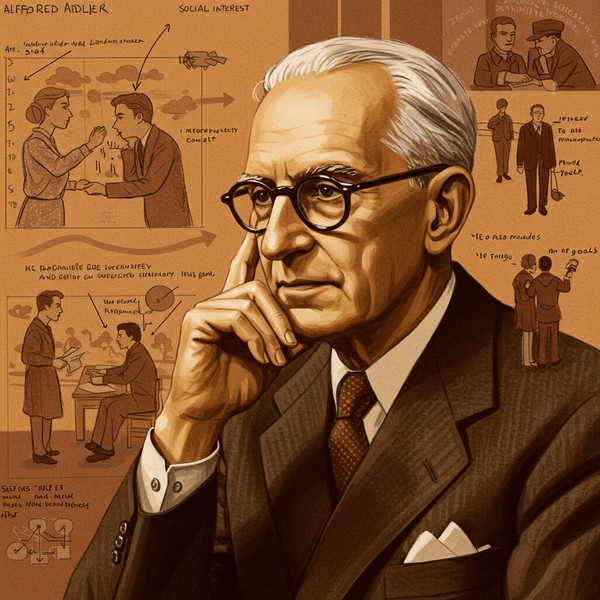
Alfred Adler
Alfred Adler
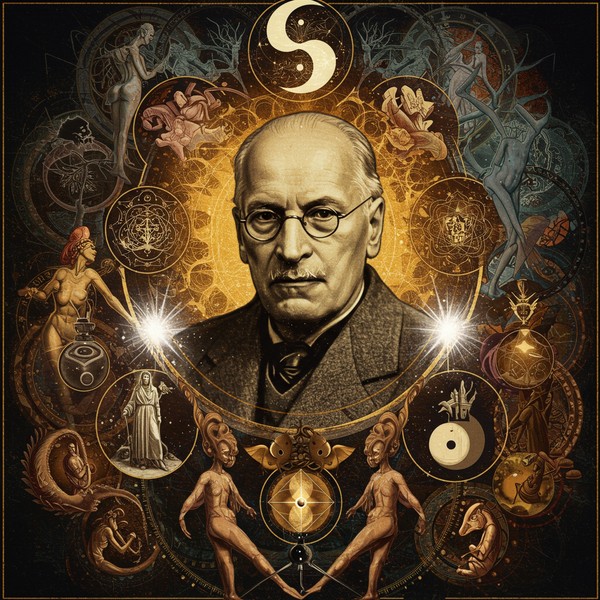
Carl Gustav Jung
Carl Gustav Jung
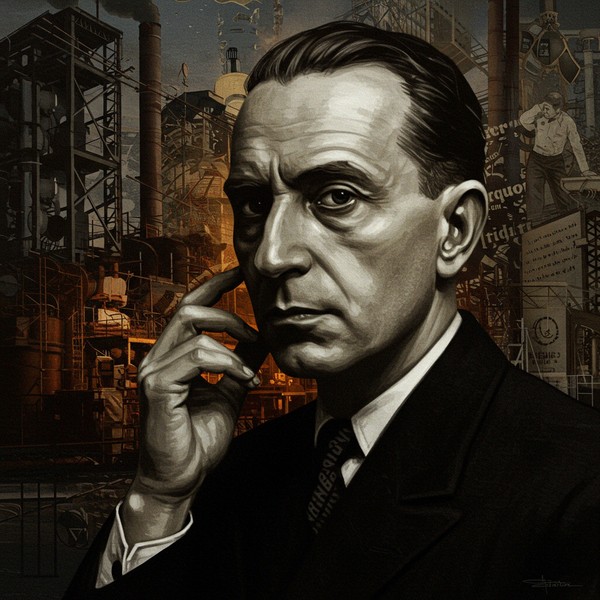
Erich Fromm
Erich Fromm
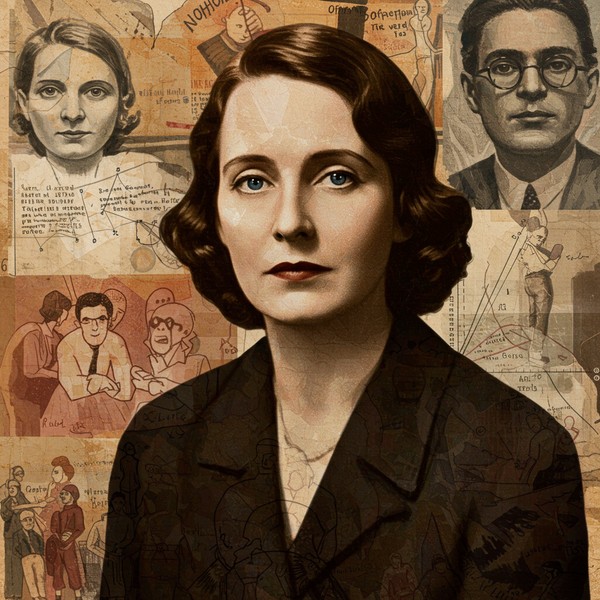
Karen Horney
Karen Horney
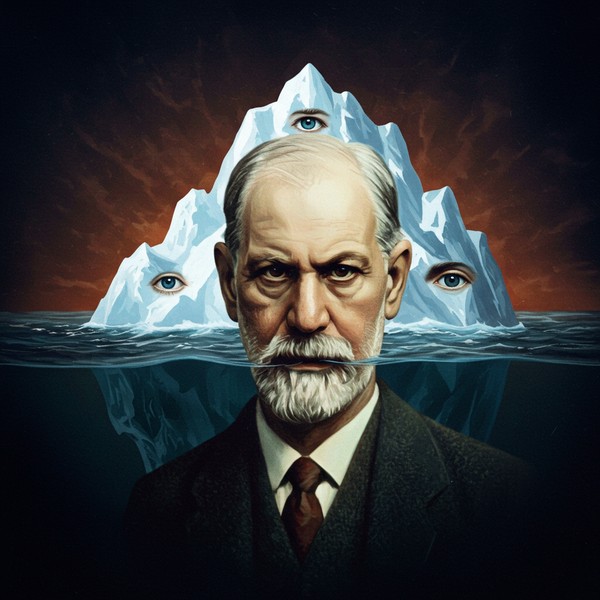
Sigmund Freud
Sigmund Freud
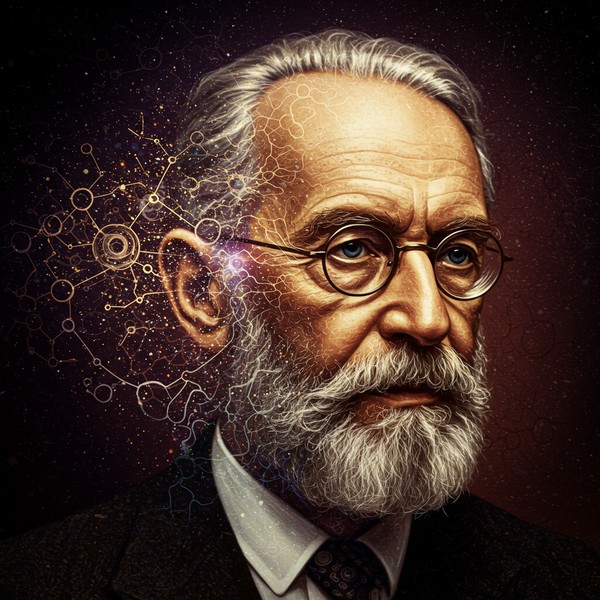
Harry Stack Sullivan
Harry Stack Sullivan
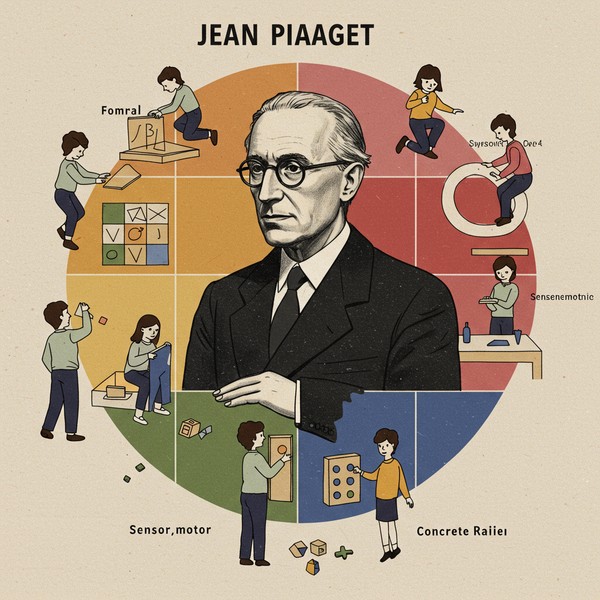
Jean Piaget
Jean Piaget